If you have been following me for a while, you already know that scones are one of my favourite things to bake. This time I am sharing a recipe that came together with a lot of help from you all: coconut custard scones made with amasi.
These scones are soft and light, with a subtle coconut flavour running through them, finished with a golden egg wash.

Before I get into the recipe, I have to say a proper thank you. When I first started testing these scones, I struggled a lot with getting my oven settings right. I posted about it on TikTok, not really expecting much, but so many of you jumped in and shared your own oven settings and small adjustments that had worked for you.
That feedback made a real difference, and I ended up adjusting my own bake based on the community’s suggestions. So if you are one of the people who commented with your settings, thank you. This recipe would not be where it is without you.
Watch Scones Baking Tutorial
What Makes These Scones Different
Three main ingredients give these scones their character: coconut, amasi, and custard. Desiccated coconut adds texture and a light flavour without being overpowering.
Amasi, a fermented milk product, adds tang and helps activate the baking soda, which gives the scones a nice rise. Custard adds a subtle sweetness and a soft, slightly rich crumb that you do not get from a plain scone recipe. Together, these three ingredients turn a basic scone into something a bit more special.
Coconut Custard Scones Recipe
Here is the full recipe I use. It makes a generous batch, so it is great if you are baking for a family or want extra to share.
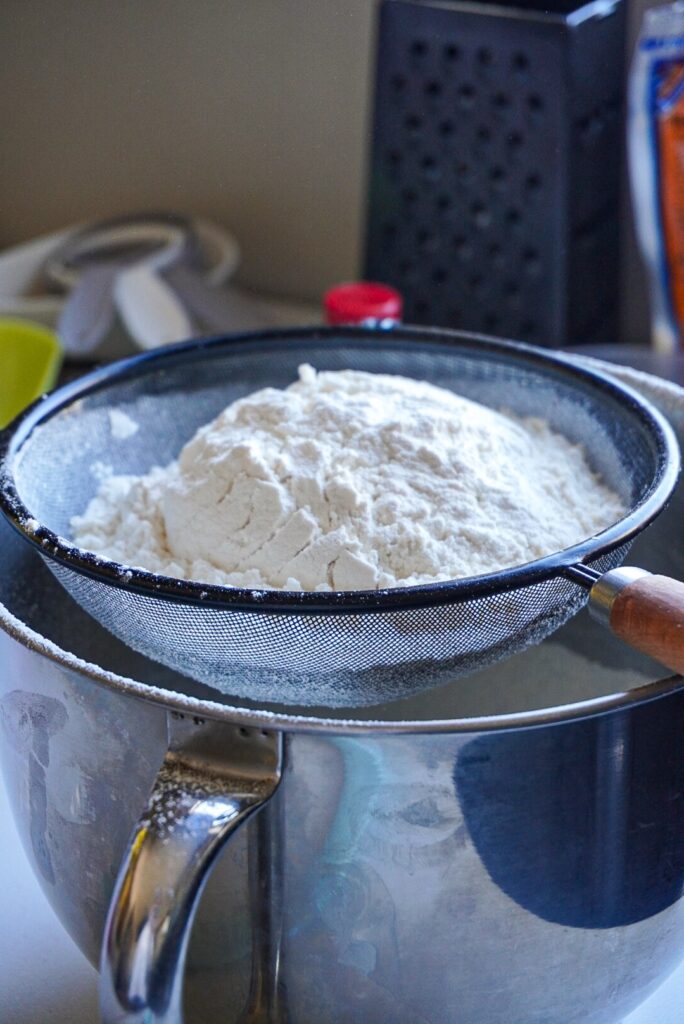
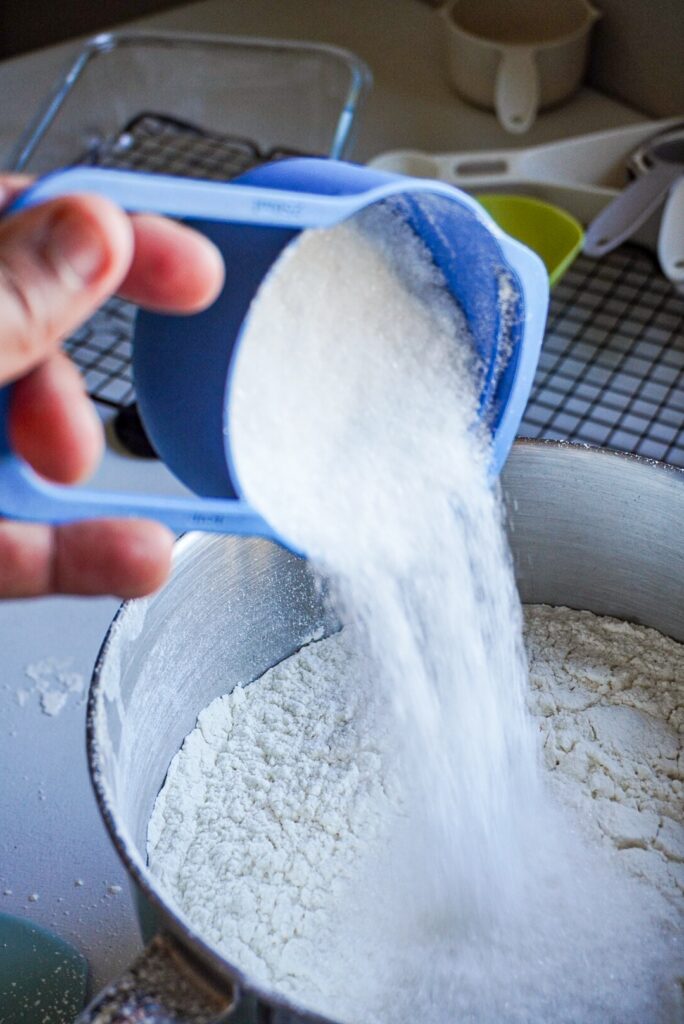
Ingredients
- 6 cups cake flour
- 6 tsp baking powder
- 1 tsp baking soda
- 1 tsp salt
- 3/4 cup sugar
- 1 cup desiccated coconut
- 350g baking margarine (80% fat), very cold
- 3 large eggs
- 1 cup amasi, cold
- 1 cup custard, cold
- 1 tsp vanilla essence
- 1 egg for egg wash (+ 2 tbsp milk optional)
Method
- In a large bowl, sift together the cake flour, baking powder, baking soda, and salt. Stir in the sugar and desiccated coconut so they are evenly distributed through the dry ingredients.
- Grate the cold margarine straight into the flour mixture. Use your fingertips to work it in lightly until the mixture looks like coarse crumbs. Try not to overwork it, since you want small pieces of margarine to stay intact.
- In a separate bowl or jug, whisk the eggs, cold amasi, cold custard, and vanilla essence together until combined.
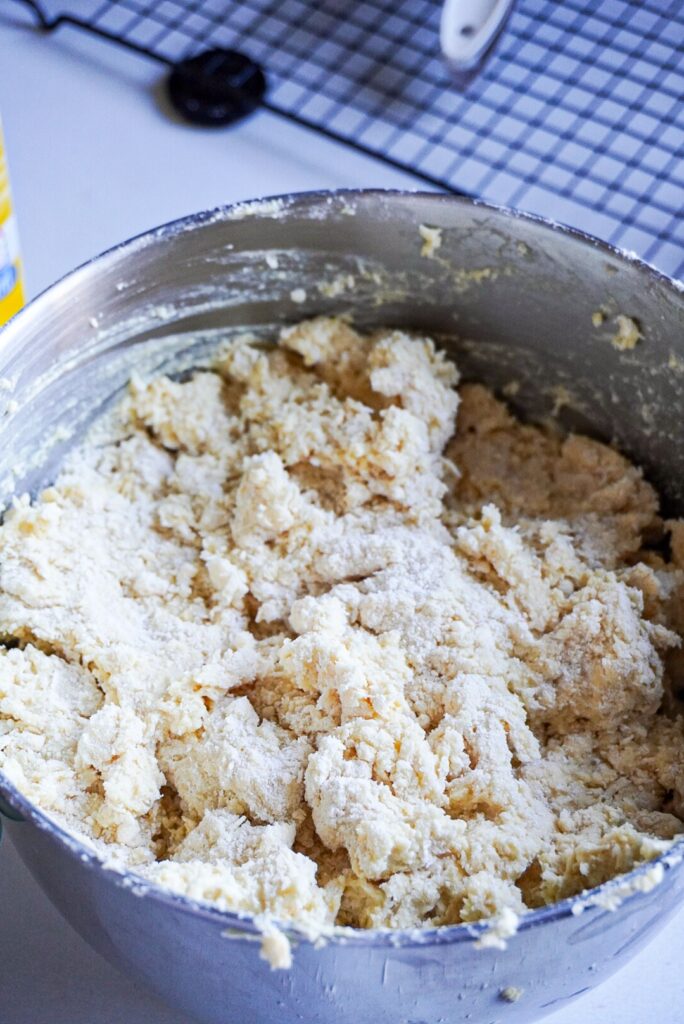
- Make a well in the centre of the dry ingredients and pour in the wet mixture. Use a spatula or a butter knife to bring the dough together. Stop mixing as soon as it comes together; a shaggy, slightly rough dough is exactly what you want.
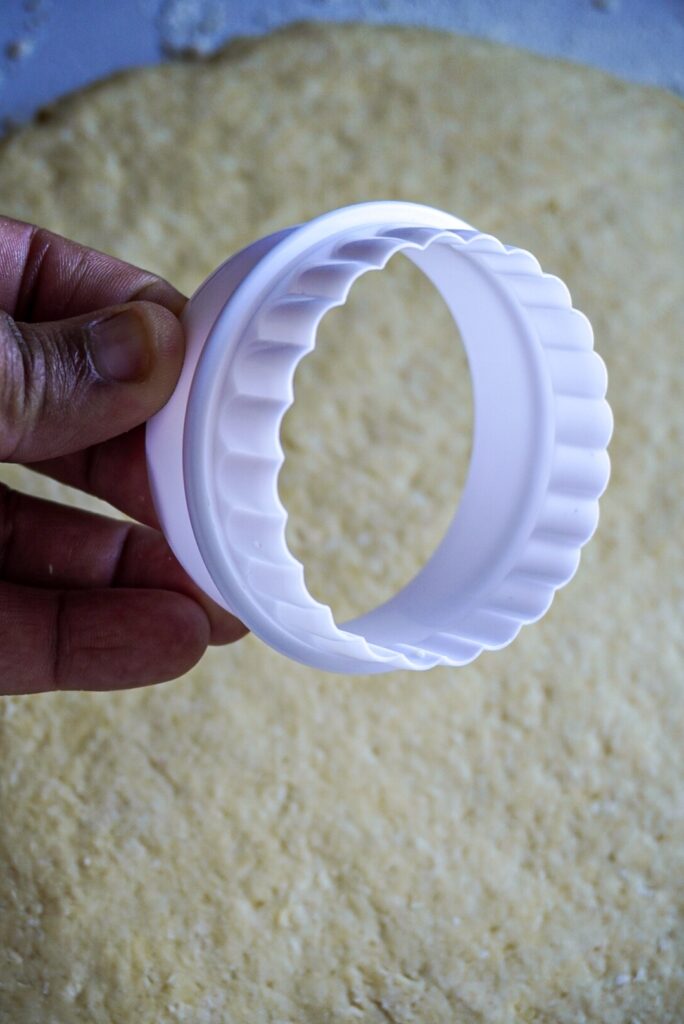
- Turn the dough out onto a lightly floured surface. Pat it down gently to about 2 to 3 cm thick. Cut out your scones using a round cutter, pressing straight down without twisting.
- Place the scones close together on a lined baking tray, so they touch slightly. This helps them rise rather than spread out.
- Brush the tops with the egg wash if using, then bake in a preheated oven until golden on top and cooked through.
Why the Margarine Needs to Be Very Cold
This is one of the most important parts of the process, so I want to spend some time on it. The margarine needs to be very cold before you grate it, ideally cold enough that it grates in firm shreds rather than smearing.
What I do is place the margarine in the freezer as soon as I start setting up the rest of my ingredients and equipment. By the time I am ready to grate it, it has firmed up enough to work with easily.
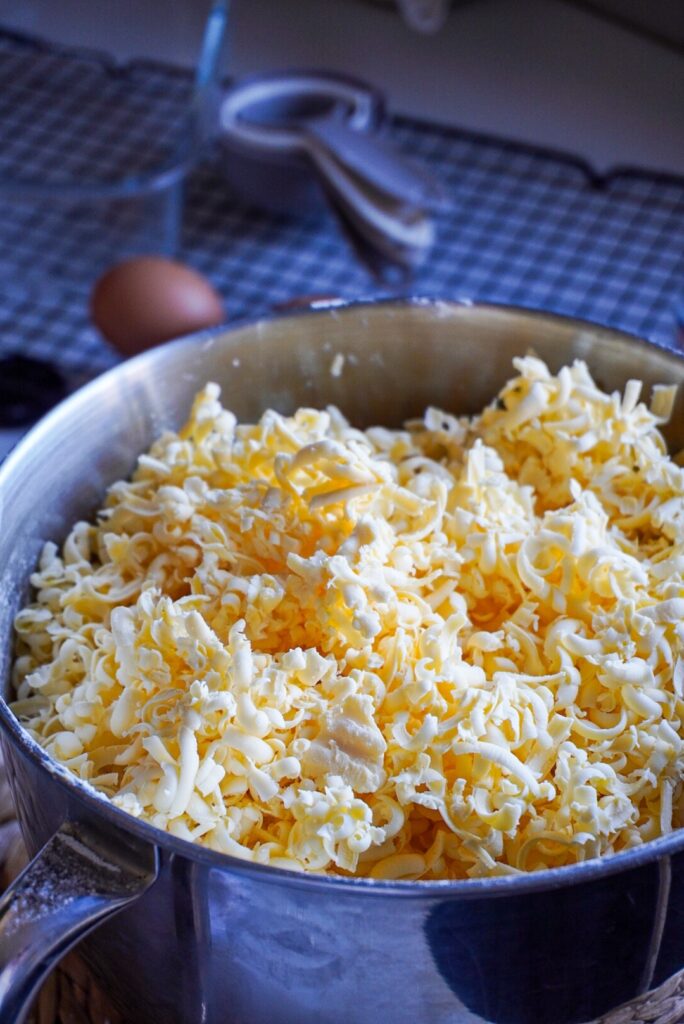
Cold margarine matters because scones rely on small solid pieces of fat staying intact through mixing and into the oven. Once in the heat, those pieces melt and release steam, which is part of what gives scones their rise and their light, layered texture.
If the margarine is soft or starting to melt before it even goes into the oven, you lose that effect, and the scones end up denser and flatter than you want.
Keep the Amasi and Custard Cold Too
The same logic applies to the amasi and custard. Take them out of the fridge only when you are ready to use them, not ahead of time to warm up on the counter. Cold wet ingredients help keep the margarine pieces from softening too quickly once everything is combined, which again supports that rise and texture you are working toward.
Egg Wash: Optional but Worth It
The egg wash is not essential to the scones working, but I do recommend it if you want that classic golden, slightly shiny top. A single beaten egg is enough, though you can loosen it with a splash of milk if you prefer a lighter coating.
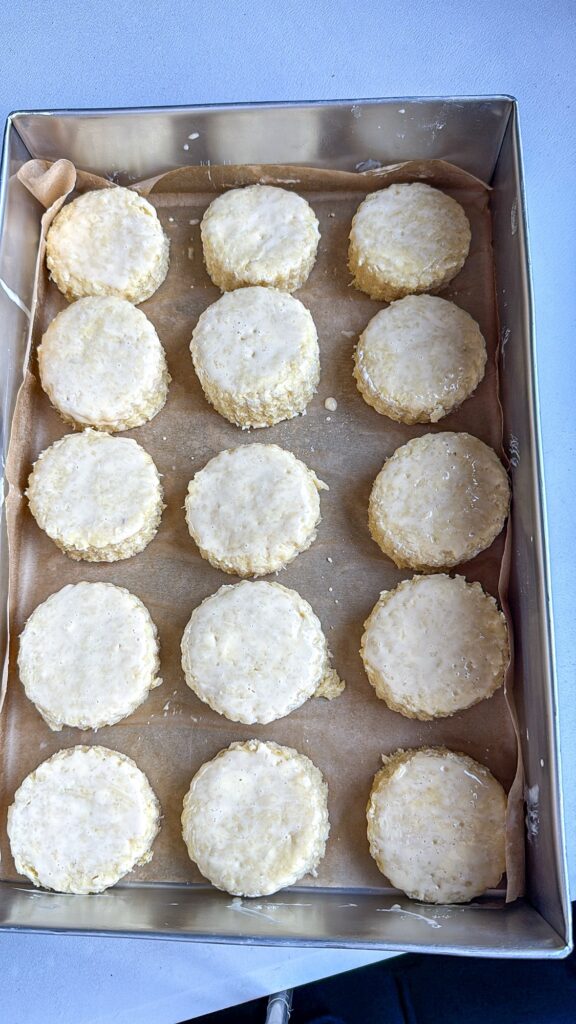
Brush it on gently right before baking, so it does not pool around the base of the scones.
Do You Need to Chill the Dough Before Baking?
You can let the shaped scones sit in the fridge for about an hour before baking if you want to, but it is optional. Because you are already using cold margarine, cold amasi, and cold custard, the dough is starting from a cold place anyway, so resting it further is not strictly necessary.
If your kitchen is warm or you are not baking straight away, chilling for a bit will not hurt and can help the scones hold their shape. But if you are ready to bake right after shaping, go ahead.
A Few General Scone Tips
Since scones come up a lot on my page, here are a few extra things worth keeping in mind, whether you are making this recipe or any other scone:
- Avoid twisting the cutter when you cut out your scones. Twisting seals the edges and can stop them rising evenly.
- Handle the dough as little as possible. Overworking scone dough develops the gluten too much, which leads to a tougher, less tender result.
- Placing scones close together on the tray encourages them to rise rather than spread out.
- An oven thermometer is genuinely useful here. So many of the oven setting tips shared by the TikTok community came down to people realising their oven ran hotter or cooler than the dial suggested.
- Scones are best eaten on the day they are baked, but you can freeze unbaked, shaped scones and bake them straight from frozen, adding a few extra minutes to the bake time.
More Scone Recipes From the Blog

If you enjoyed this one, I have shared a few other scone recipes here before, including my classic buttermilk scones and a fruit scone version. Have a look through the blog for those if you want more scone ideas to try in your own kitchen.
Frequently Asked Questions about scones
This recipe was tested with amasi specifically, since its tang and acidity work with the baking soda. Fresh milk will change the flavour and possibly the rise, so I have not tested that swap in this recipe.
I have not tested this recipe with cream in place of custard, so I cannot confirm how it would affect texture or sweetness.
Ovens vary a lot, which is exactly why I was struggling with mine at first. I used 200 degrees for 18 minutes, but I would recommend starting with a moderately hot oven and checking your scones a few minutes before you expect them to be done, then adjusting for your own oven from there.
Yes you can leave out coconut
Yes you can use unsalted butter
Keep them in an airtight container at room temperature and eat them within a day or two for the best texture. You can also freeze baked scones and warm them through in the oven when you want one.
Come Bake With Me
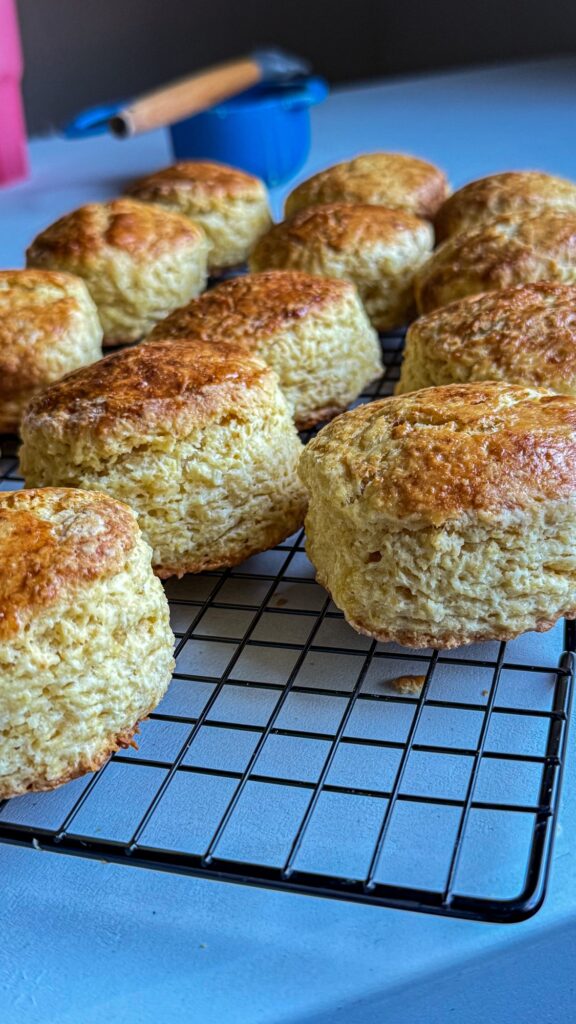
If you try this coconut custard scone recipe, I would love to see how it turns out. Come find me on TikTok and follow along for more recipes, oven troubleshooting, and everyday baking. Your comments and tips genuinely shape what I bake next, so thank you again for being part of it.
Let’s connect on :
- Instagram (@wandilebakes)
- Tiktok (@wandilebakes)
- Pinterest (@wandilebakes)
- YouTube (@wandilebakes)
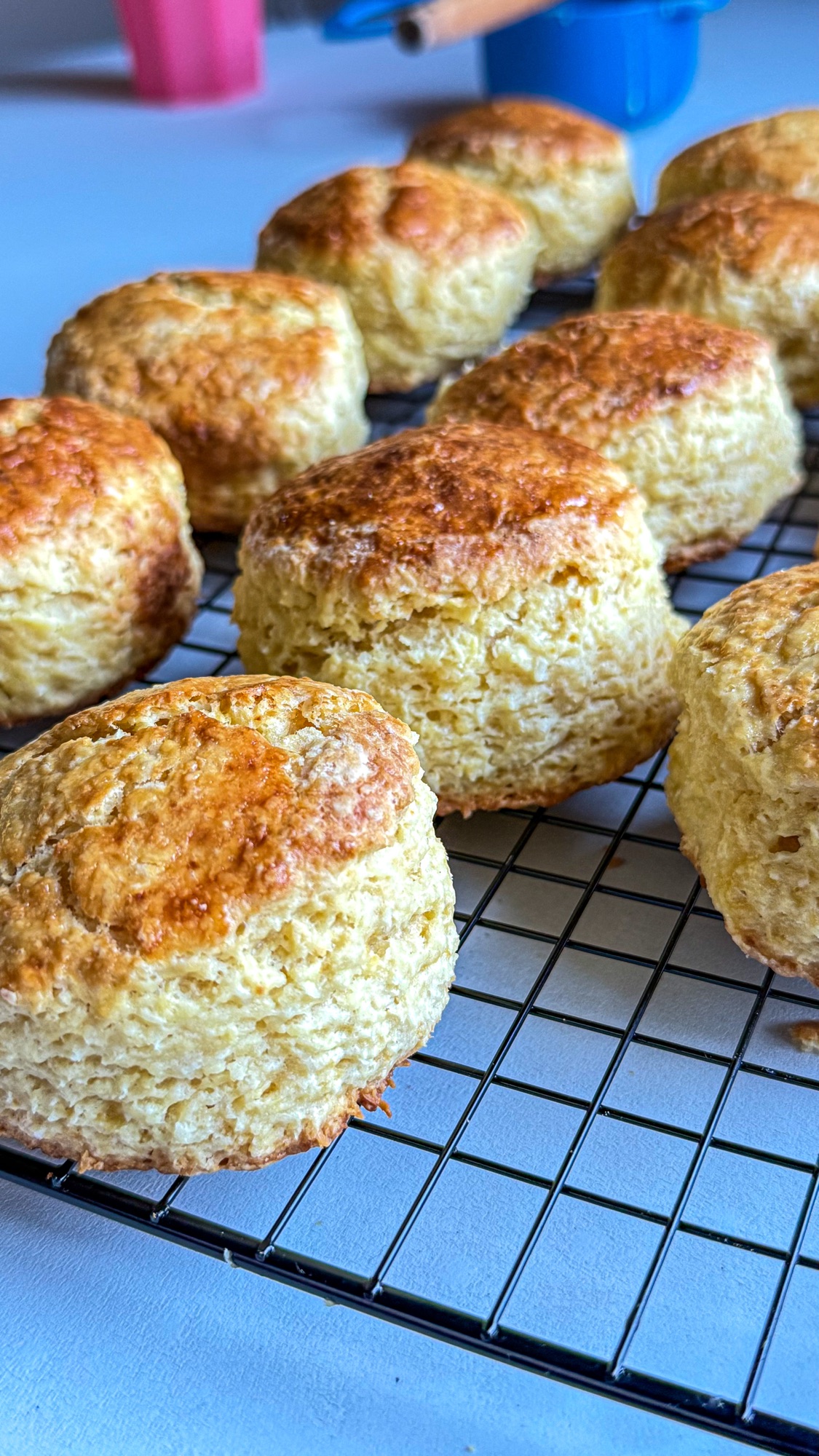

Coconut Custard Scones
Ingredients
Equipment
Method
- Preheat your oven to 200 °C, and prepare your baking tray.
- In a large bowl, sift together the cake flour, baking powder, baking soda, and salt. Stir in the sugar and desiccated coconut so they are evenly distributed through the dry ingredients.
- Grate the cold margarine straight into the flour mixture. Use your fingertips to work it in lightly until the mixture looks like coarse crumbs. Try not to overwork it, since you want small pieces of margarine to stay intact.
- In a separate bowl or jug, whisk the eggs, cold amasi, cold custard, and vanilla essence together until combined.
- Make a well in the centre of the dry ingredients and pour in the wet mixture. Use a spatula or a butter knife to bring the dough together. Stop mixing as soon as it comes together; a shaggy, slightly rough dough is exactly what you want.
- Turn the dough out onto a lightly floured surface. Pat it down gently to about 2 to 3 cm thick. Cut out your scones using a round cutter, pressing straight down without twisting.
- Place the scones close together on a lined baking tray, so they touch slightly. This helps them rise upward instead of spreading out.
- Brush the tops with the egg wash if using, then bake in a preheated oven for 18 minutes until golden on top and cooked through.
Video
Discover more from WandileBakes
Subscribe to get the latest posts sent to your email.