I moved to a new area this year, which means I left many appliances back home, including a very good, functional oven. In this new apartment, I didn’t bother to check how the stove works, and it’s an old stove with few and bad functions (for baking).
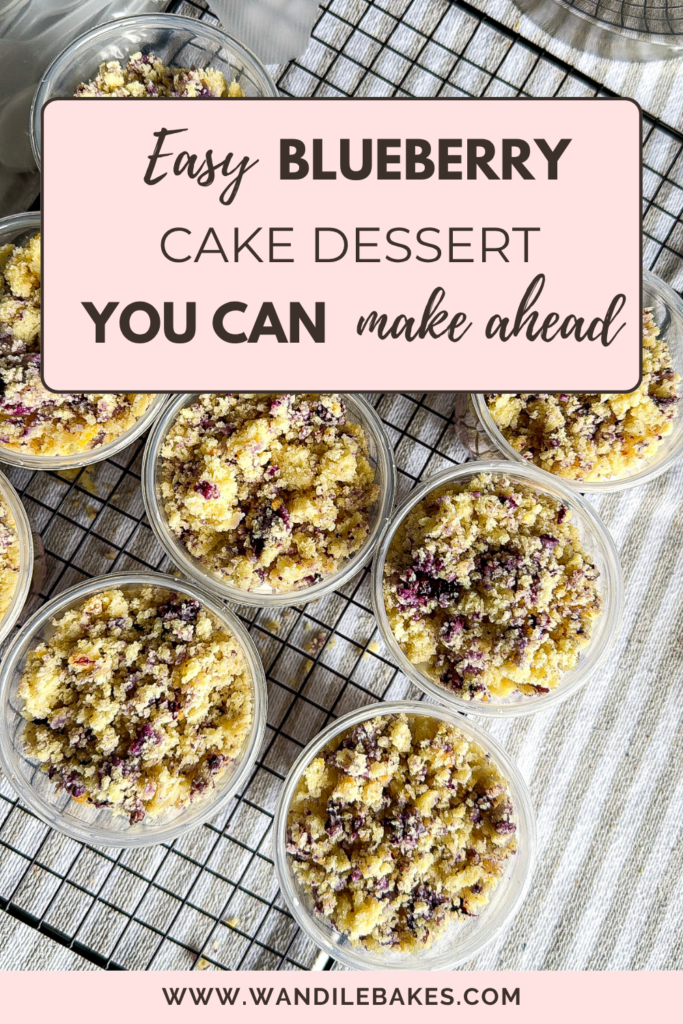
I didn’t bother learning how it worked before I used it. Big mistake. That oven has been quietly ruining my bakes for weeks, and this time it gave me a blueberry cake dessert I didn’t plan for but ended up loving.
Here’s the full story, the recipe I used, what went wrong, how you can avoid my mistakes, and a few other baking lessons I picked up along the way.
The Backstory: New Oven, New Problems
Back in KZN, I knew my oven so well, and I liked everything about it. I knew how long it took to heat up, which shelf worked best, and how even the heat was. Almost all settings I needed to bake any kind of treat were there.
This new but old oven is nothing like that one. The biggest issue is that it only uses one element to bake, the bottom, not both at once like I was used to. The funny part is that the top element for baking is not even working. I still don’t fully understand its quirks, and honestly there’s a lot I don’t like about it. But it’s what I have right now, so I have to keep going and learn as I bake.
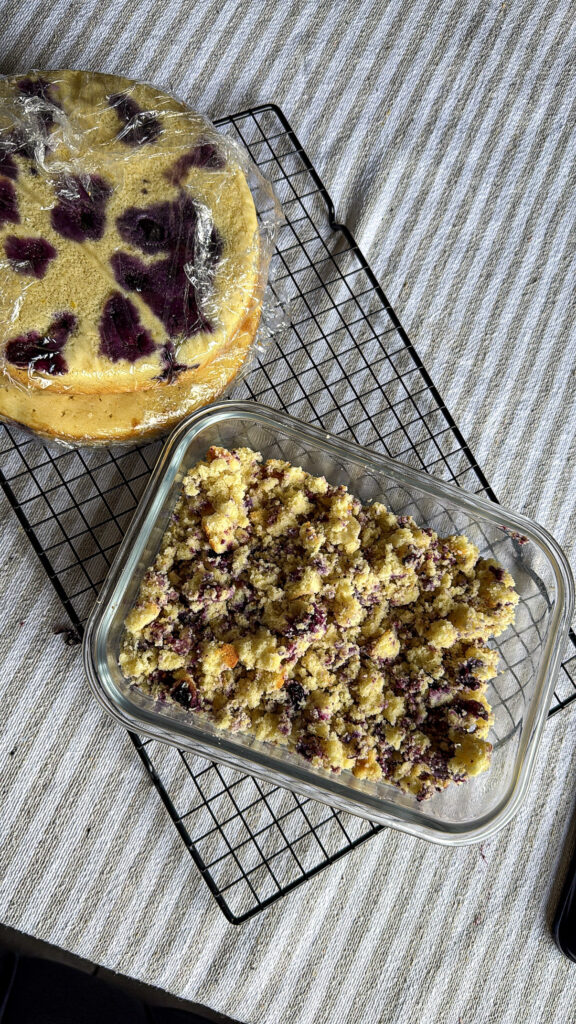
On this particular day, I put the cake in while the oven was still on the preheat setting, without switching it over to the bake setting. I only realized my mistake when the cake was almost done. The result was a cake that baked slower and less evenly than it should have, and it changed the texture completely.
The Sponge Cake Recipe
Here’s exactly what went into the cake:
Egg mixture:
- 6 eggs, separated
- 1/2 tsp cream of tartar
- Whip the egg whites and cream of tartar together until stiff peaks form
Sugar and yolks:
- 1 cup sugar rubbed together with lemon zest
- Add this to the whipped egg whites and whip together
- Gently fold in the 6 egg yolks until well combined
Wet ingredients (separate bowl):
- 1 cup milk
- 2/3 cup oil
- 1 tsp vanilla essence
- 1/8 cup lemon juice
Dry ingredients:
- 2 1/4 cups cake flour, sifted
- 1 tsp baking powder
- 1/2 tsp salt
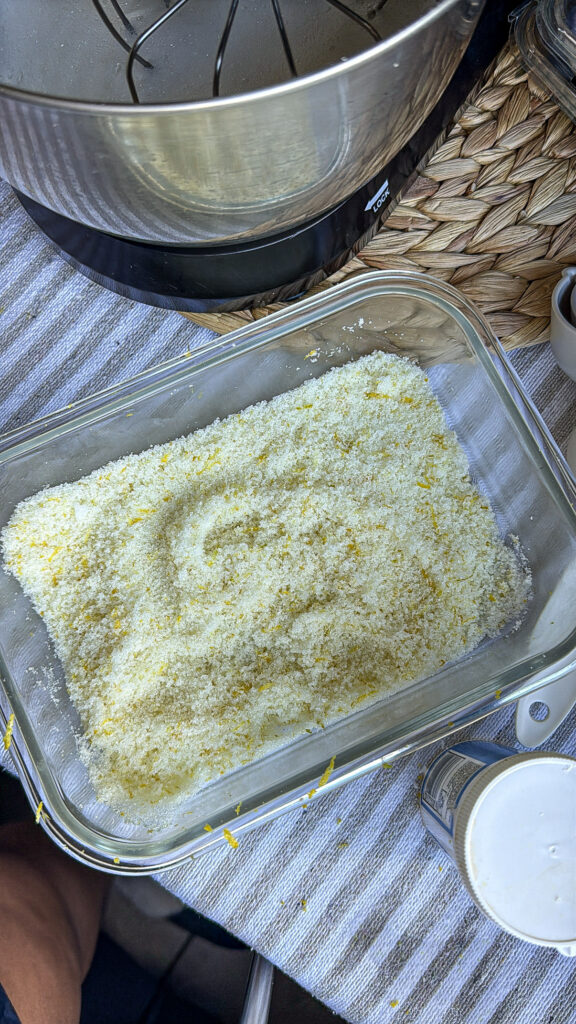
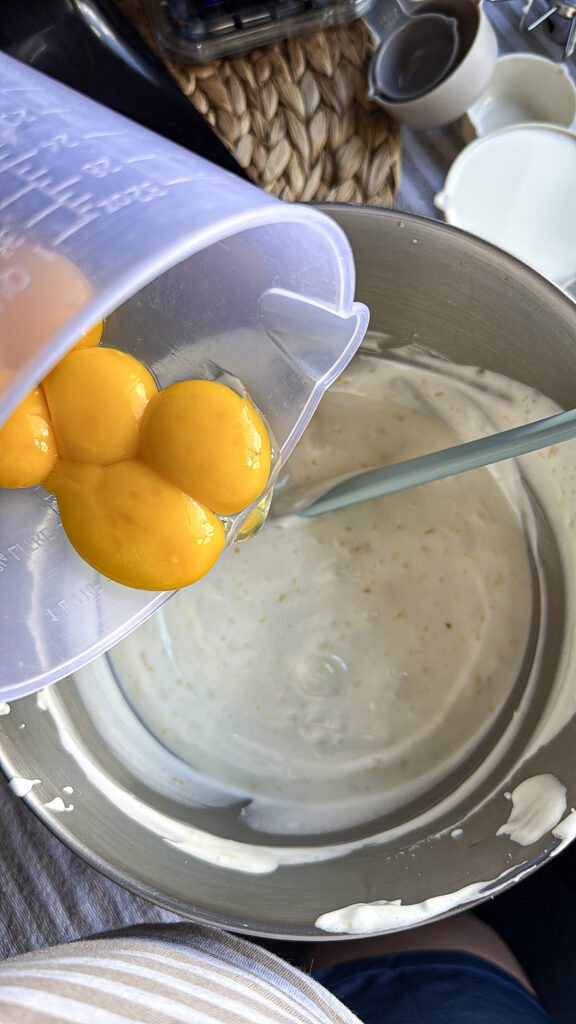
Gently fold the sifted dry ingredients into the egg mixture, then fold in the milk mixture last.
The batter looked exactly how it should, but the cake came out moist, which I was happy about, but the texture wasn’t the light, fluffy sponge I was expecting. It was denser than it should have been, sitting somewhere between a sponge and a pound cake.
What I Did Wrong
- I left the oven on the preheat setting and forgot to switch it over to bake
- I hadn’t taken the time to understand how this particular oven distributes heat (or it just broken – I don’t know at this point)
- I baked using only one element (the top element is not even working for bake setting)
- I didn’t check or change the oven settings before starting
What You Need to Do Instead
- Always double-check you’ve switched from the preheat setting to the actual bake setting before the batter goes in.
- If you’re using a new oven, do a test bake first, so you know how it behaves.
- Check whether your oven uses one or two elements and adjust your rack position and temperature accordingly.
- Double-check your settings every single time, especially if you’ve recently switched appliances or moved house
A sponge cake depends on rising evenly and quickly once it hits the heat. Leave it sitting on the preheat setting instead of bake, and that structure never quite sets the way it should.
Why Sponge Cakes Fail (Beyond Just the Oven)
My oven was the main culprit this time, but sponge cakes are sensitive to more than just heat. A few other things can throw off the texture, and I’ve learned most of these the hard way over time:
- Overmixing the batter. Once you fold in the flour, stop as soon as it’s combined. Overmixing knocks the air out of the egg whites, and the sponge loses its lift.
- Underwhipped or overwhipped egg whites. Stiff peaks should hold their shape without being dry or clumpy. Underwhipped whites won’t give the cake enough structure, and overwhipped ones can collapse during baking.
- Opening the oven door too early. Checking on the cake before it’s set can cause it to sink in the middle.
- Cold ingredients. Eggs and milk at room temperature incorporate air more evenly than cold ones straight from the fridge.
- Old baking powder. If your raising agent has been sitting in the cupboard for a while, it may not give you the lift you’re expecting.
Any one of these can affect texture on its own. Combine an unfamiliar oven with a setting I forgot to switch over, and it’s no surprise the sponge came out denser than planned.
Adjusting to a New Oven After Moving
Moving house and inheriting a completely different oven is more common than people talk about, and it throws off a lot of home bakers, not just me. A few things I’m doing now to get to know this new oven:
- Baking a simple test batch, like plain cupcakes, just to watch how they rise and brown
- Writing down what works once I find it, so I’m not guessing every single time
If you’ve recently moved or replaced your oven, give yourself a bit of grace. It takes a few bakes to learn a new appliance properly.
Turning the Sponge Into a Blueberry Cake Dessert
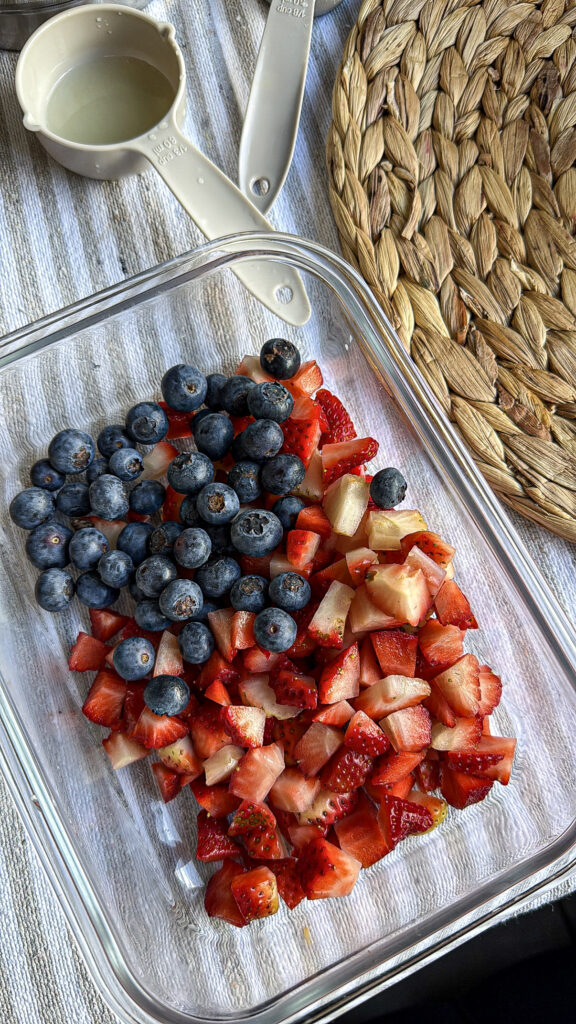
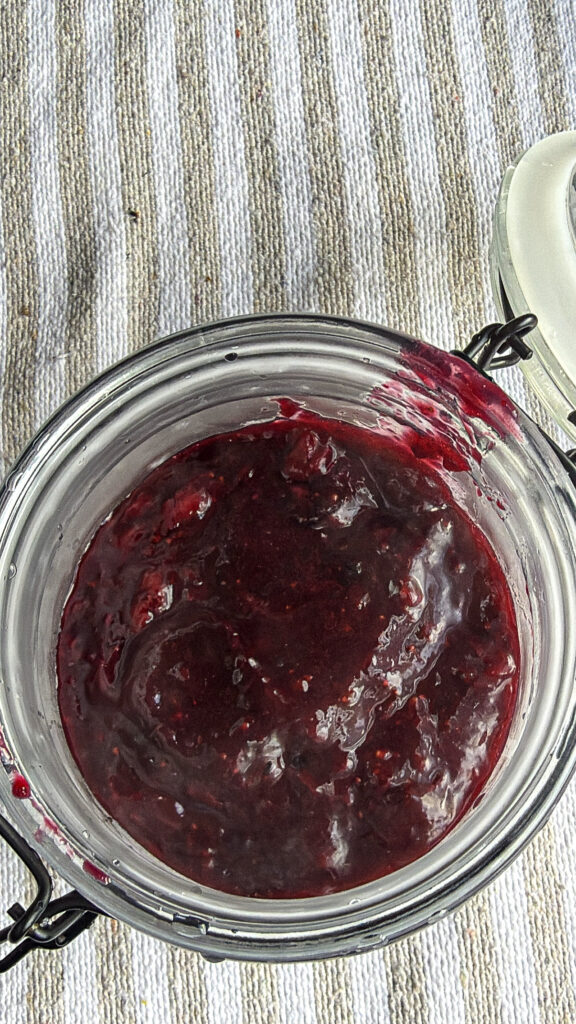
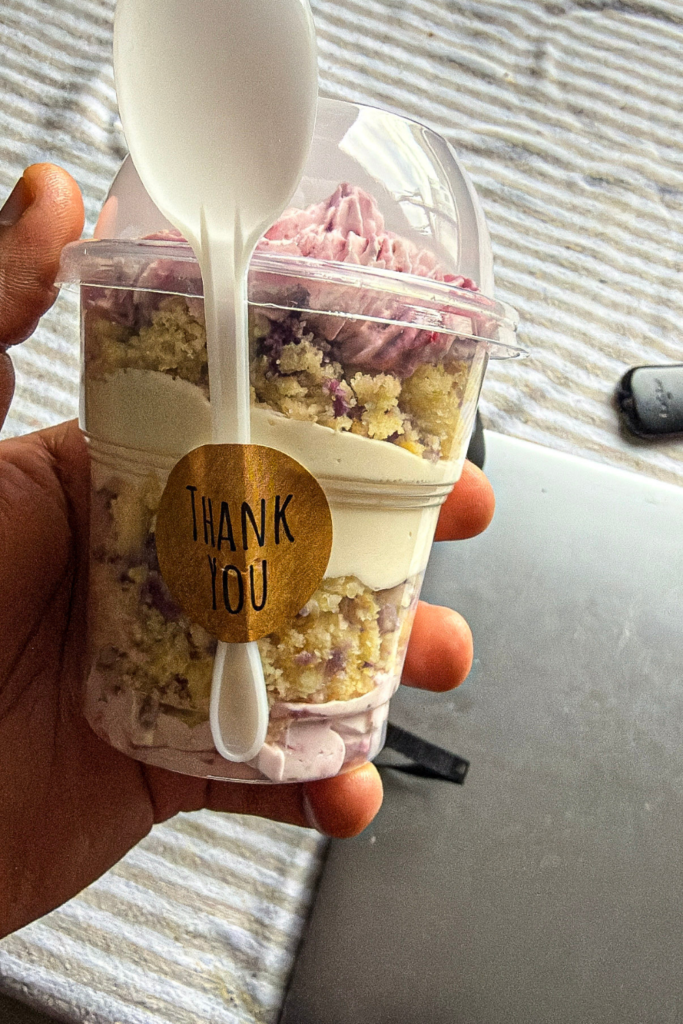
Since the texture wasn’t sponge-light, I didn’t want to serve it as a plain cake. Instead, I turned it into a blueberry cake dessert using cups, which turned out to be the better idea anyway. Luckily, I had dessert cups on hand, and they turned this slightly imperfect cake into something that actually looked and tasted delicate.
The Blueberry Filling
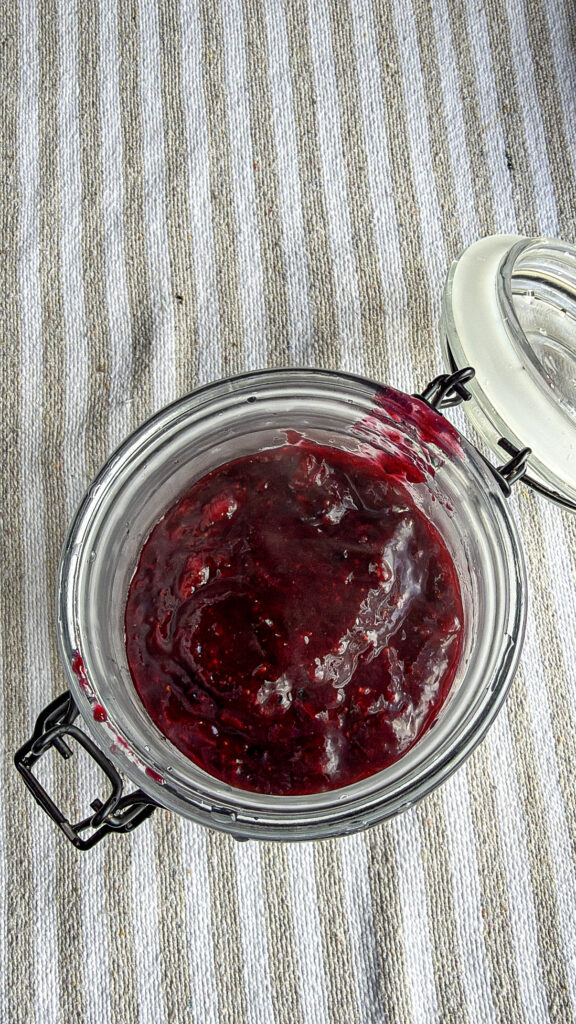
- 1/2 cup blueberries
- 2 cups strawberries
- 1/8 cup lemon juice
- 2 tbsp granulated sugar
- 2 tbsp water
Cook the berries with the lemon juice, sugar, and water over medium heat until they break down into a soft, jammy filling. Let it cool before using.
The Fresh Cream Frosting
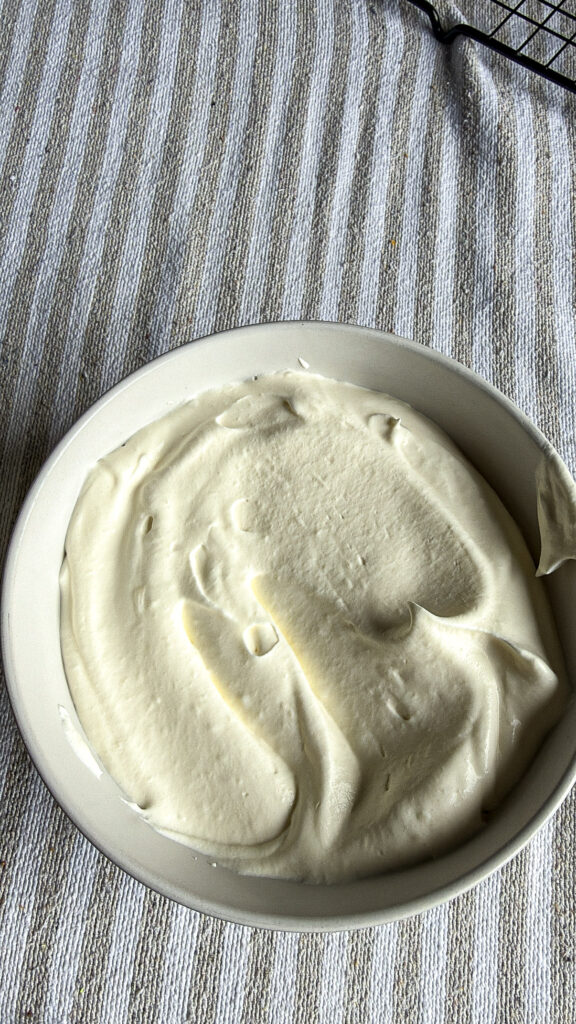
- 3 cups whipping cream
- 1/2 cup icing sugar (adjust to taste)
Whip the cream and icing sugar together until you get soft, spreadable peaks.
Assembling the Cups
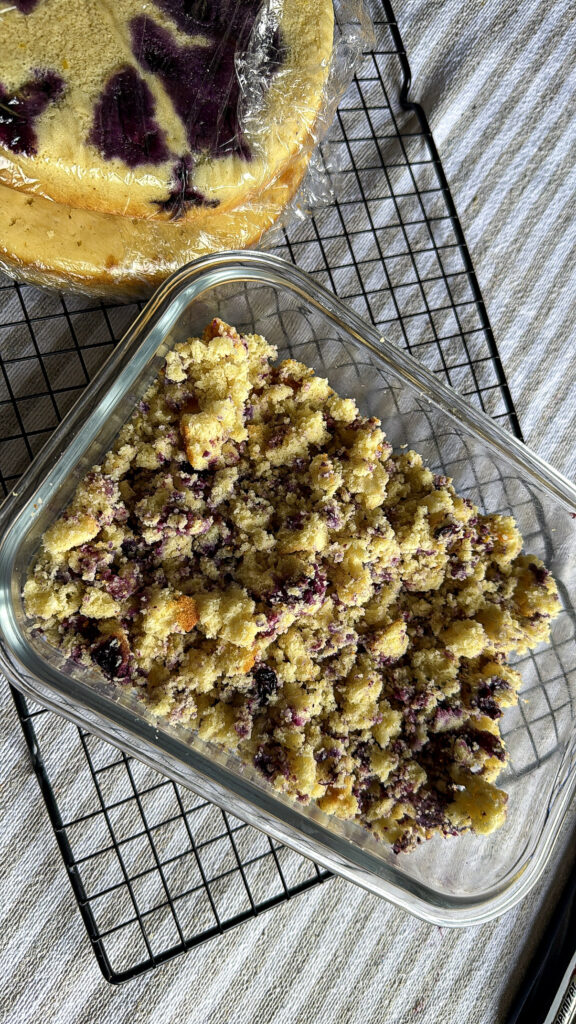
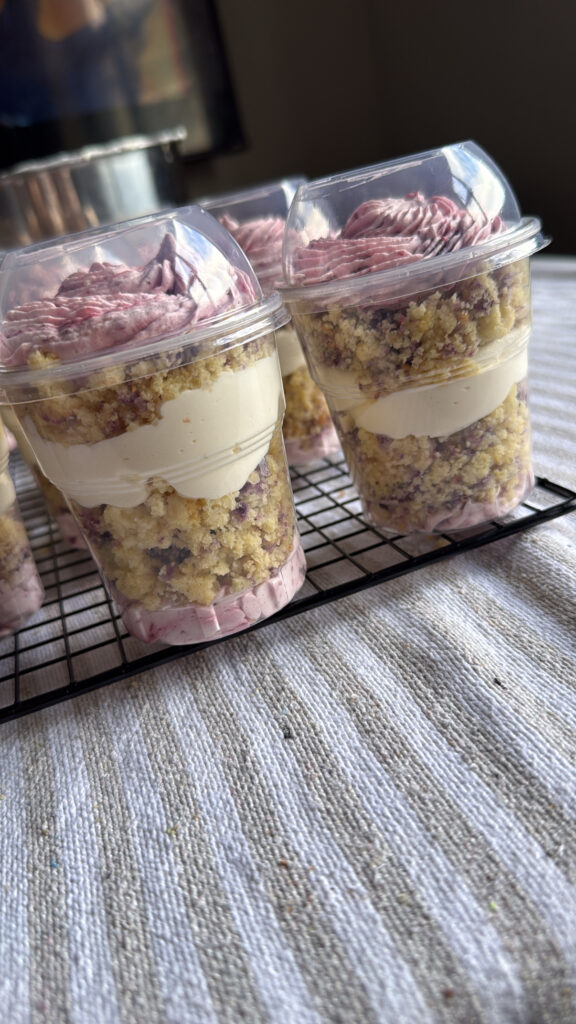
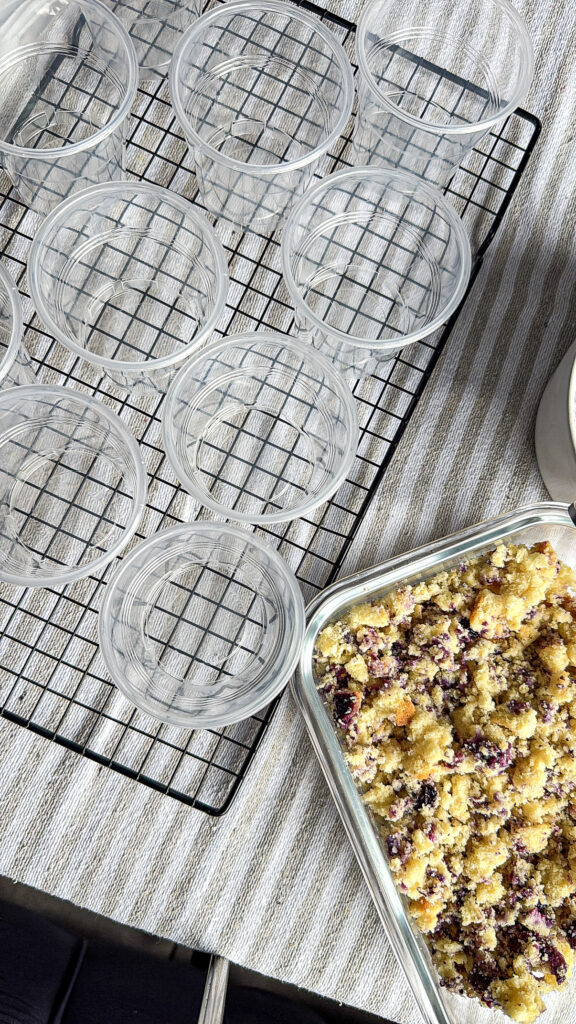
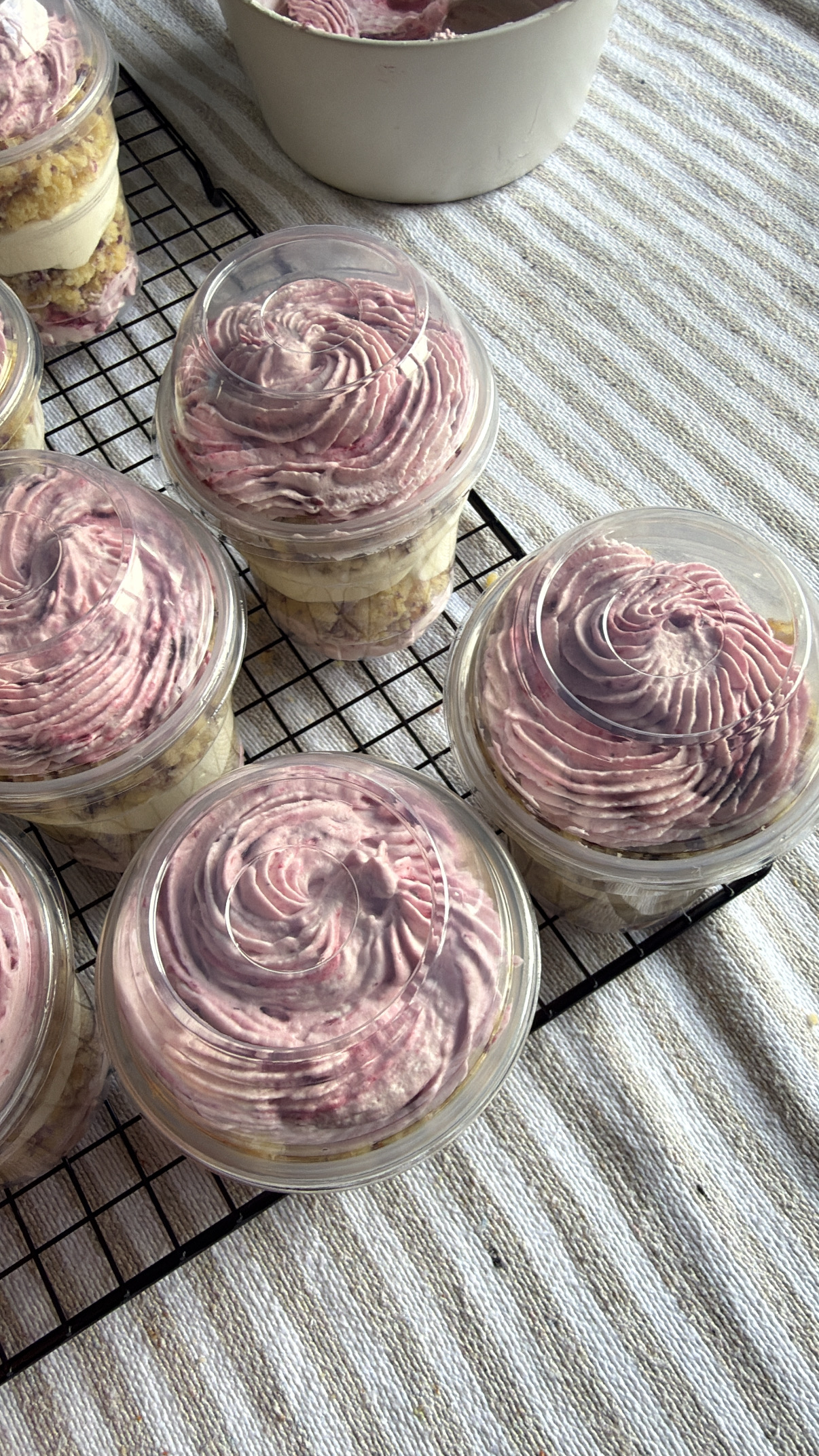
I used a knife to break the sponge cake into pieces and layer it into the cups with the blueberry filling and the fresh cream frosting. Repeat the layers until the cups are full. The cake pieces soak up a bit of the filling, and the cream ties everything together. What started as a baking mistake ended up as a proper blueberry cake dessert that worked in individual servings, which is honestly more practical than slicing a whole cake anyway.
Storing and Making Ahead
If you want to prep this blueberry cake dessert in advance, here’s what’s worked for me:
- The sponge can be baked a day ahead and kept covered at room temperature
- The blueberry filling keeps well in the fridge for up to four days in a sealed container
- Whip the cream fresh on the day you plan to assemble, since it doesn’t hold its texture as well once it’s been sitting for too long
- Once assembled, keep the cups in the fridge and eat them within a day or two for the best texture, since the cake will keep softening as it sits in the cream and filling
A Few Variations Worth Trying
Once I realized how well this worked as a dessert cup, I started thinking about other ways to switch it up:
- Swap the strawberries for raspberries or blackberries if that’s what you have on hand
- Add a layer of crushed biscuits between the cake and cream for some crunch
- Use lemon curd instead of the berry filling for a sharper, tangier version
- Top with fresh mint or extra berries for a bit of color
What next, from this mistake?
I’m baking this sponge again, and this time I’m actually going to switch the oven over to the bake setting once it’s preheated. But I won’t pretend I’m mad about how this batch turned out. A texture mistake turned into a blueberry cake dessert that I’d genuinely make on purpose next time, cups and all.
If you’re dealing with a sponge cake that didn’t rise the way you wanted, don’t throw it out. Layer it into cups with fruit and cream, and you might end up with something better than what you originally planned.
Frequently Asked Questions
A dense sponge usually comes down to one of a few things: baking on the wrong oven setting, overmixing the batter once the flour goes in, underwhipped egg whites, or an oven that heats unevenly.
A trifle bowl, small mason jars, or even a single large glass dish all work the same way. Layer the cake, filling, and cream however suits what you have.
Yes, frozen berries work fine. You may need to cook the filling a little longer to let the extra liquid reduce down.
They’re best eaten within a day or two. The cake will keep softening the longer it sits in the cream and filling, so don’t assemble them too far ahead if you want the layers to hold their shape.
Follow Along For More
If you enjoyed this one, I share a lot more of these kitchen wins and mishaps across my social media pages, including the ones that don’t make it to the blog. Come follow along so you don’t miss the next bake:
- Instagram: @wandilebakes
- TikTok: @wandilebakes
- YouTube: @wandilebakes
- Pinterest: @wandilebakes
I’d love to see you there, and if you try this blueberry cake dessert yourself, tag me so I can see how yours turned out.
More Blueberry-Inspired Cakes to Try:
If this blueberry cake dessert has you in the mood for more, here are a few other blueberry bakes worth trying next:
- Blueberry Lemon Loaf Recipe (Moist, Easy & No Mixer Needed)
- The Best Blueberry Muffins recipe You ever need
I’ll be linking these to their own posts as I share them, so keep an eye out if blueberries are your thing too.

Blueberry Cake Dessert
Ingredients
Equipment
Method
- Whip the egg whites and cream of tartar together until stiff peaks form.
- Rub the sugar and lemon zest together, then add to the egg whites and whip together.
- Gently fold in the egg yolks until well combined.
- In a separate bowl, mix the milk, oil, vanilla essence, and lemon juice.
- Sift the flour, baking powder, and salt together.
- Gently fold the dry ingredients into the egg mixture.
- Fold in the milk mixture until just combined.
- Pour the batter into a prepared cake tin and bake until a skewer comes out clean.
- Allow the cake to cool completely.
- Make the filling: cook the blueberries, strawberries, lemon juice, sugar, and water over medium heat until soft and jammy. Let cool.
- Whip the cream and icing sugar together until soft peaks form.
- Break the cooled sponge into pieces and layer into cups with the blueberry filling and cream frosting, repeating until the cups are full.
- Chill briefly before serving.
Discover more from WandileBakes
Subscribe to get the latest posts sent to your email.