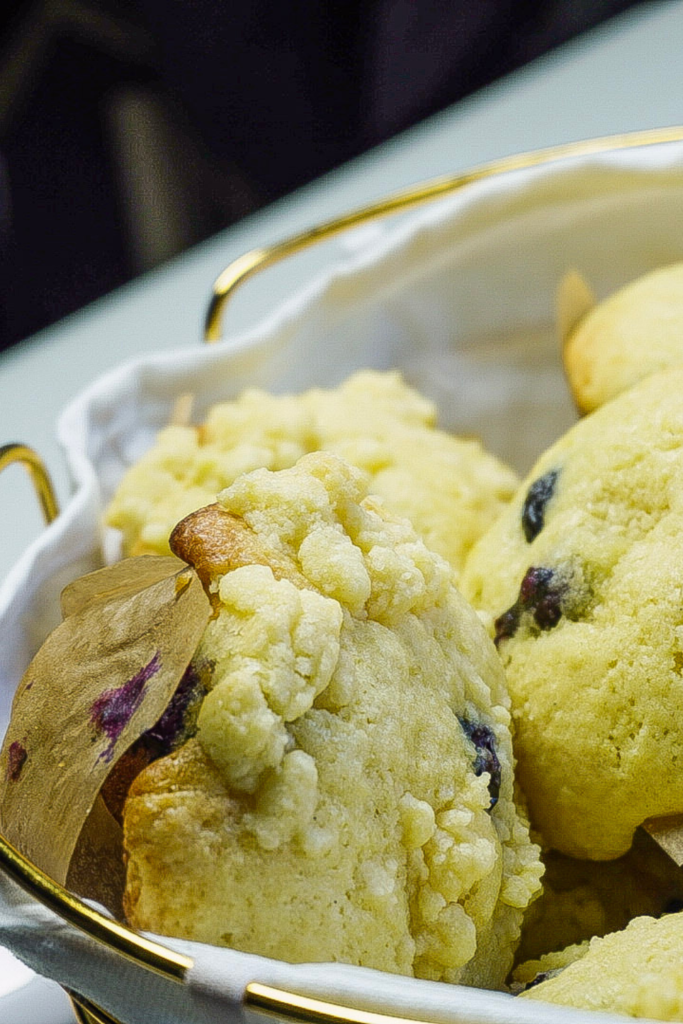
There’s baking on a plan, and then there’s baking on a craving. Today was very much the second one. I hadn’t set out to bake anything — no shopping list, no “let me prep my ingredients the night before” ritual, nothing.

I just wanted something citrusy, soft, and a little bit special, and my mind went straight to orange lemon poppy seeds. So I opened the fridge, grabbed what I had, and got going. What came out of the oven turned out to be, hands down, one of the best batches of muffins I’ve ever made — and I want to walk you through exactly how it happened, because a few “mistakes” turned out to be the whole reason these worked so well.
The Craving That Started It All
If you’ve been following my baking journey for a while, you’ll know I’m someone who plans. I like my butter softened ahead of time, my buttermilk resting on the counter until it loses its chill, everything measured and ready before the oven even gets preheated. That’s just how I like to work — it removes variables, and it usually gives me consistent results.
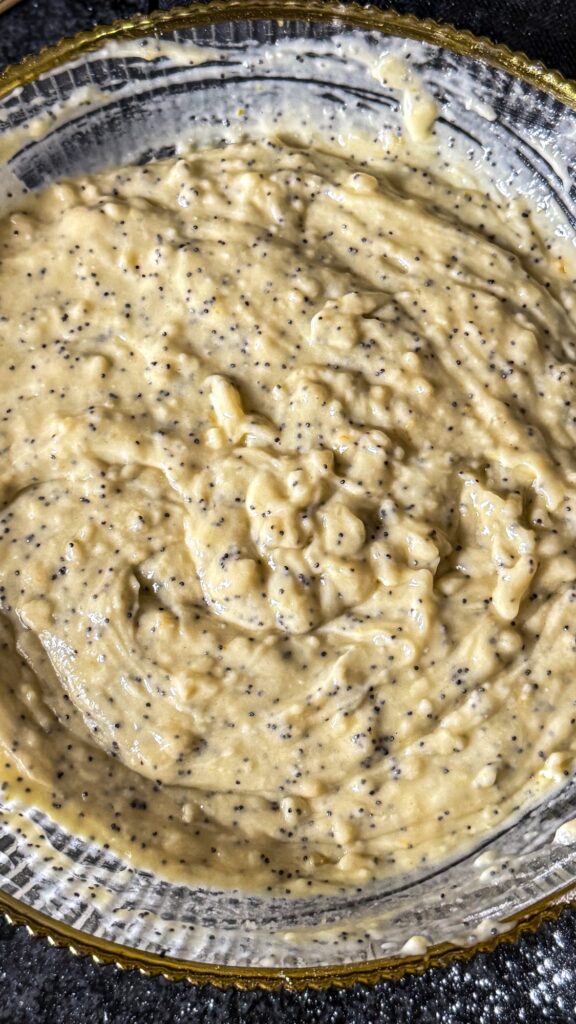

But today wasn’t a planning day. It was a craving day. One of those moments where you’re standing in the kitchen and you just know you need muffins, right now, and you’re not about to wait an hour for ingredients to come to room temperature. So I skipped my usual routine entirely. I took the amasi straight out of the fridge, cold, and used it exactly like that. No waiting. No warming. Just straight from the fridge into the bowl.
Honestly, I almost talked myself out of it. My instinct was to wait, because that’s the rule I’ve followed for as long as I’ve been baking muffins and cakes. But the craving won, and I’m so glad it did, because it led me to a discovery I wasn’t expecting.
Cold Amasi and Sunflower Oil: An Unexpected Combination
Here’s the thing I always do when I bake muffins: I let my buttermilk (or in this case, amasi) come to room temperature first. The logic behind that is simple — when butter is involved, a cold dairy ingredient can cause the butter to seize or harden, which throws off the texture of your batter and can leave you with dense, uneven muffins. So warming the buttermilk has always felt like a non-negotiable step.
Except today, I wasn’t using butter at all. I used sunflower oil, and only sunflower oil, from start to finish.
And that changed everything.

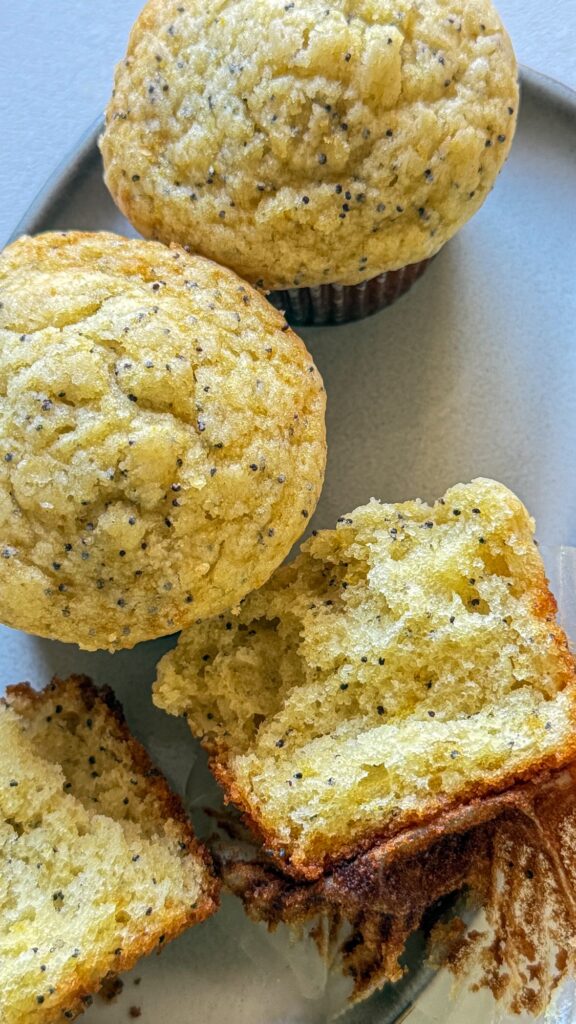
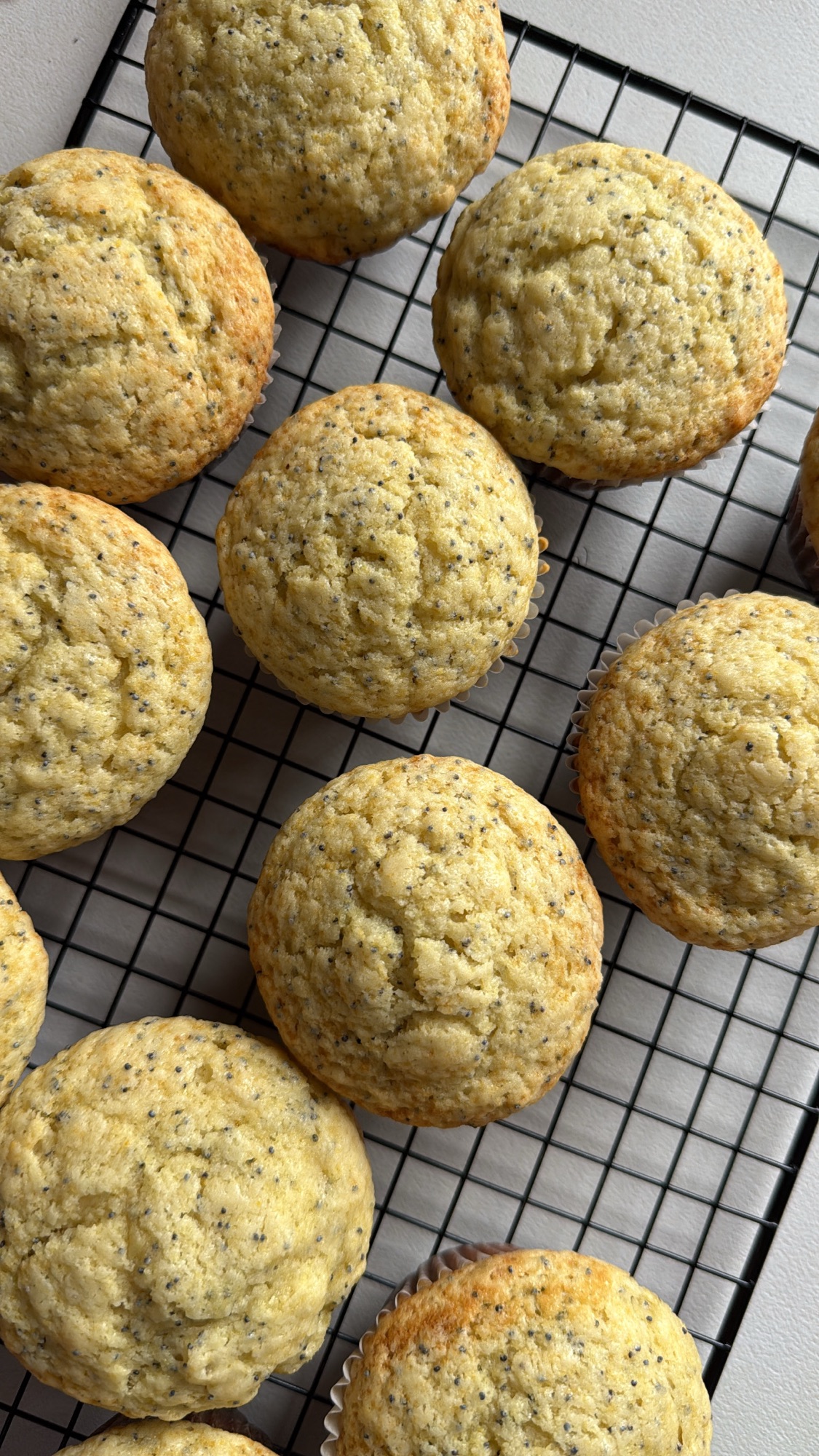
Because oil stays liquid at pretty much any temperature — fridge-cold or room temperature, it behaves the same way — there was no seizing, no clumping, no fighting between two ingredients trying to reach the same temperature before they could blend properly. The cold amasi and the room-temperature oil combined smoothly, no drama at all. In fact, I’d go as far as saying the combination of cold amasi and sunflower oil worked like actual magic in this recipe. The batter came together easily, poured beautifully into the muffin tin, and baked up into the fluffiest, moistest muffins I’ve made in a long time.
I think what happened is this: butter needs warmth to stay soft and workable, so it depends on everything around it being at a similar temperature to avoid seizing. Oil doesn’t have that dependency. It’s already in its “ready” state no matter what temperature the rest of your ingredients are at. That’s why skipping the room-temperature step — something that would normally worry me — didn’t cause a single problem today.
So Why Are These the Best Muffins I’ve Made?
A few reasons, and they all tie back to that oil-and-cold-amasi combination:
They’re incredibly moist. Oil coats the flour differently than butter does, and it stays liquid throughout baking, which keeps the crumb tender and moist for days rather than just the first few hours.
They’re fluffy without being dense. Because there was no risk of the fat seizing up against the cold amasi, the batter stayed light and aerated all the way through mixing, which gave the muffins a beautiful rise and soft crumb.
They held up perfectly after sitting. I covered the muffins and let them sit at room temperature after baking, and instead of drying out the way some muffins do, they actually got softer and more tender. That’s the oil doing its job, keeping moisture locked in rather than letting the crumb firm up as it cools.
Zero fuss, zero waiting. No softening butter, no waiting for buttermilk to warm up. I decided I wanted muffins, and less than 30 minutes later, they were in the oven.
The citrus and poppy seed combination is simply gorgeous. Orange zest and lemon poppy seeds together give you that bright, fresh flavour without being overly sharp, and the little crunch from the poppy seeds against the soft crumb is just lovely.
Put all of that together, and you get a muffin that’s easy to make, forgiving of a rushed process, and honestly more delicious than versions I’ve made with far more planning involved.
How This Compares to My Lemon Poppy Seed Cake Recipe
If you’ve tried my lemon poppy seed cake before, you’ll know that recipe uses butter. It’s a lovely cake, but it does require a bit more care — the butter needs to be softened, and everything needs to be at a similar temperature before it all comes together, or you risk a lumpy, seized batter.
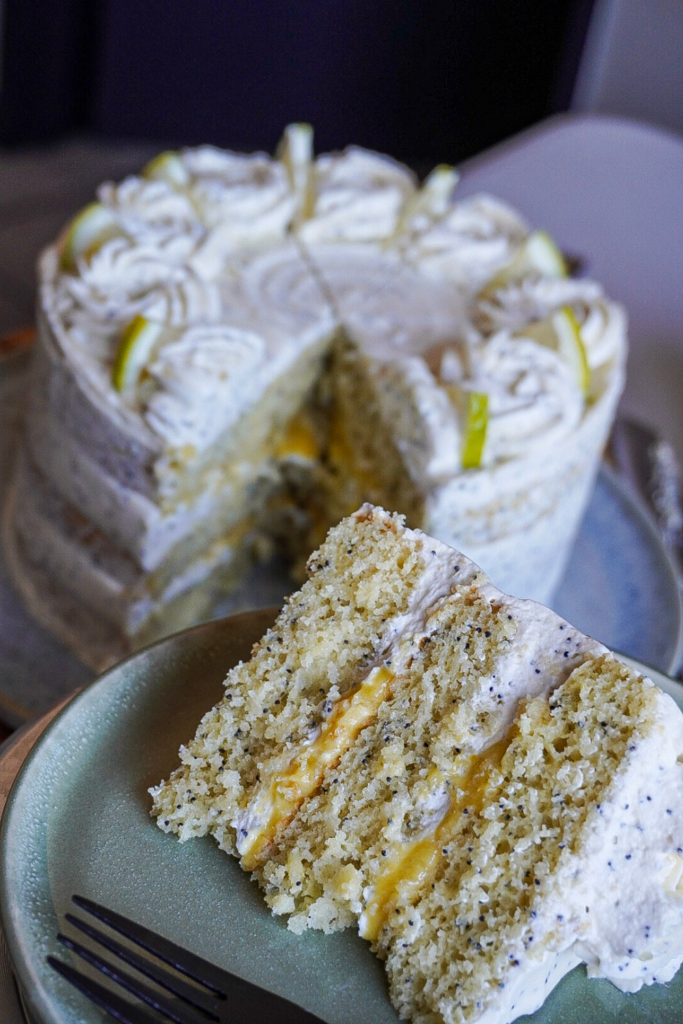
These muffins don’t use butter at all, purely because I didn’t have any on hand today. But going through this process taught me something important: you do not need butter to get fluffy, moist muffins. Sunflower oil does the job beautifully, and in some ways, more reliably, because it removes the temperature-matching step altogether.
That said, if you’d still like to use butter in this recipe instead of sunflower oil, it’s absolutely doable — you’ll just want to keep your buttermilk or amasi at room temperature before mixing, so it doesn’t cause the butter to harden or seize when they meet. That one adjustment is really all it takes to make the swap work.
The Recipe for orange lemon poppy seed
Here’s exactly what I used, and how I put it together.
Ingredients:
- 1 cup granulated sugar
- Zest of 1 orange
- 2 large eggs
- 1 tsp vanilla essence
- 1 cup amasi (cold, straight from the fridge)
- 1 cup sunflower oil
- 1/4 cup orange juice
- 2 tbsp lemon poppy seeds
- 2 cups cake flour
- 1 tsp baking soda
- 1 tsp baking powder
- ½ tsp salt
Step-by-step method for orange lemon poppy seed
- Preheat your oven to 190°C before you start mixing — you want it fully heated by the time your batter is ready to go in.
- In a large bowl, whisk together the sugar and orange zest. Rubbing the zest into the sugar with your fingers first helps release more of those citrus oils, giving you a stronger orange flavour throughout the muffins.
- Add the eggs and vanilla essence, and whisk until combined and slightly frothy.
- Pour in the cold amasi and the sunflower oil, and add orange juice, and whisk until the mixture is smooth and well combined.
- Stir in the lemon poppy seeds.
- In a separate bowl, sift together the cake flour, baking soda, baking powder, and salt.
- Gently fold the dry ingredients into the wet mixture, mixing just until combined. Don’t overmix — a few small lumps are fine, and overmixing is what leads to tough, dense muffins.
- Divide the batter evenly among a lined or greased muffin tin.
- Bake at 190°C for 18 minutes, or until a toothpick inserted into the centre comes out clean.
- Allow the muffins to cool slightly in the tin before transferring them to a cooling rack. Once fully cool, store them covered at room temperature to keep them soft and moist.
Tips for Best Results
- Don’t skip the preheat. Muffins rely on a hot oven for that initial rise, so make sure your oven has reached 190°C before the batter goes in.
- Zest before you juice. If you’re using the orange for anything else, zest it first — it’s much easier to zest a whole orange than a juiced one.
- Room temperature storage works best here. Because these muffins are oil-based, refrigerating them can actually make them feel denser. Keeping them covered at room temperature preserves that soft, fluffy texture.
- Don’t overfill your muffin cups. Filling them about two-thirds full gives you a nice domed top without overflowing.
- Fresh poppy seeds make a difference. If yours have been sitting in the pantry a long time, give them a sniff — poppy seeds can go slightly rancid and affect flavour.
Frequently Asked Questions
Yes, buttermilk works well as a substitute for amasi in this recipe. The texture and tanginess are similar enough that you shouldn’t need to change anything else.
Since this recipe uses oil rather than butter, you can use the amasi cold or at room temperature — either way works well, because there’s no fat to seize. I used it cold simply because I didn’t plan ahead, and it turned out beautifully
Yes, a neutral oil like canola or vegetable oil should work similarly. I’d avoid strongly flavoured oils like olive oil, as they can compete with the citrus flavours.
You can, but if you do, make sure your amasi or buttermilk is at room temperature before mixing. Combining cold dairy with butter can cause the butter to harden and seize, which affects the texture of your batter.
This is almost always down to overmixing. Once you add the dry ingredients to the wet, fold gently and stop as soon as everything is combined. Overworking the batter develops the gluten in the flour too much, leading to a tougher, denser crumb.
Stored covered at room temperature, these muffins stay moist and fresh for around 3 to 4 days. I actually found they got even softer after sitting covered overnight.
Yes, they freeze well. Let them cool completely, then store them in an airtight container or freezer bag for up to 2 months. Thaw at room temperature or warm gently before serving.
if you don’t have poppy seeds on hand, you can leave them out or substitute with chia seeds for a similar texture, though you’ll lose a bit of that classic lemon-poppy seed look and crunch.
Yes, this recipe doubles well if you’re baking for a crowd or want extra to freeze. Just be sure to bake in batches if your oven can’t fit all the muffin tins at once, so heat can circulate evenly.
Thanks for staying this far
Some of the best recipes come out of moments when you’re not overthinking things — when a craving pulls you into the kitchen and you work with what you’ve got instead of what the “rules” say you should have. Today’s batch of orange lemon poppy seed muffins reminded me that butter isn’t the only path to fluffy, moist muffins, and that sometimes skipping a step you thought was essential teaches you something new about how your ingredients actually work together.
If you try this recipe, I’d genuinely love to know how it turns out for you — whether you stick with sunflower oil or swap in butter, and whether cold or room-temperature amasi becomes your new go-to. Baking is always more fun when we’re learning from each other.
Let’s Connect
I love hearing from fellow bakers, so come say hi and share your muffin photos with me:
- TikTok: Follow along for behind-the-scenes baking, oven-setting tips from our community, and more recipes like this one.
- Blog: Check out my other posts, including the lemon poppy seed cake, salted caramel chocolate cake, and coconut custard scones.
- Shop: If you’re in Cape Town, keep an eye on my shop page for baked treats available for collection, or join my exclusive weekly baking club for available treats.
Tag me in your muffin bakes — I can’t wait to see how yours turn out!

Orange Lemon Poppy Seed Muffins
Ingredients
Equipment
Method
- Preheat your oven to 190°C before you start mixing.
- In a large bowl, rub sugar and orange zest together, then add the eggs and vanilla essence and whisk until combined.
- Pour in the cold amasi and sunflower oil, orange juice and whisk until smooth, then stir in the lemon poppy seeds.
- In a separate bowl, sift together the cake flour, baking soda, baking powder, and salt, then gently fold this into the wet mixture until just combined, being careful not to overmix.
- Divide the batter evenly among a lined or greased muffin tin, then bake at 190°C for 18 minutes, or until a toothpick inserted into the centre comes out clean.
- Let the muffins cool slightly in the tin before transferring them to a rack, then store covered at room temperature once fully cool.
Discover more from WandileBakes
Subscribe to get the latest posts sent to your email.