This post may contain Amazon affiliate links. If you make a purchase through these links, I may earn a small commission at no additional cost to you.
Over sometimes, I had one recipe for cinnamon roll recipes, and I really wanted to try out this version. I realised that biscoff cinnamon rolls would be fresh and soft only the day they are baked. Nobody wants biscoff cinnamon roll that feels dry a few hours after baking.
That is why this recipe uses a tangzhong, a simple cooked flour-and-milk mixture that helps the rolls stay soft for longer.
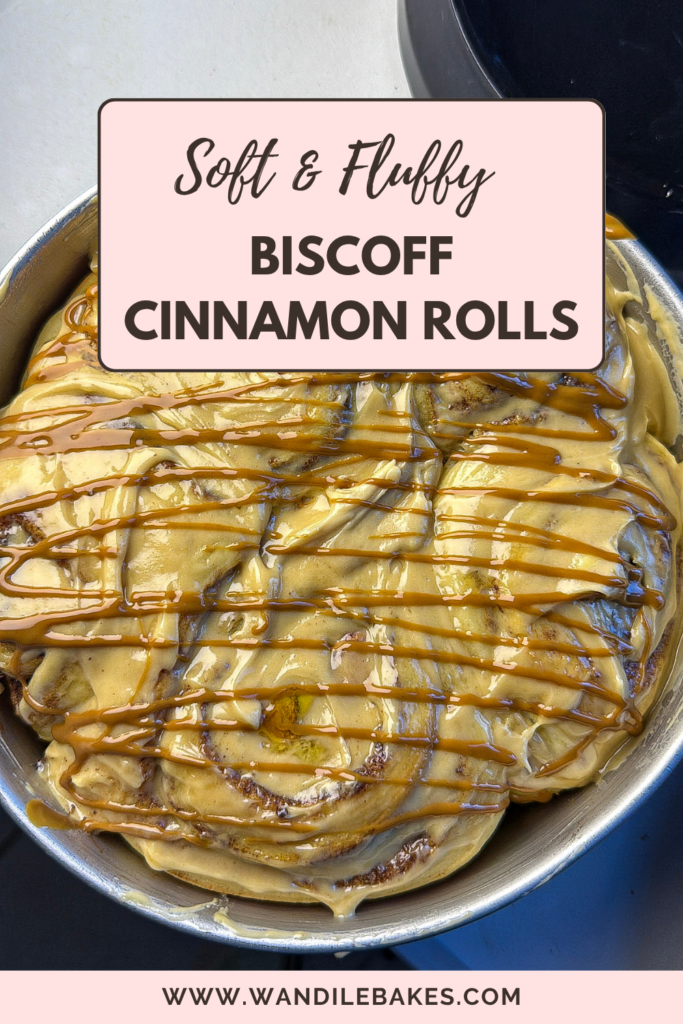
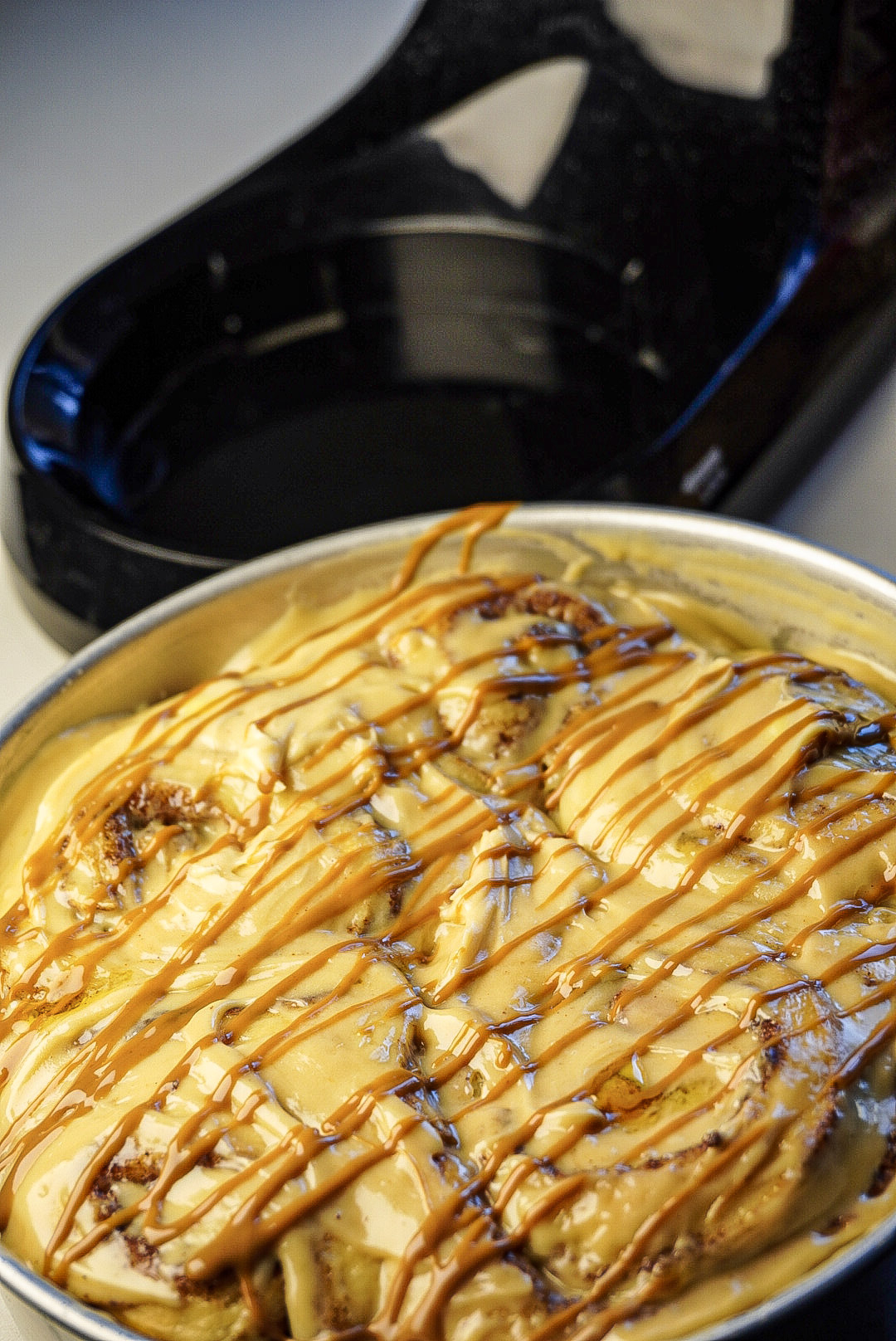
For this version, I paired classic cinnamon rolls with Biscoff cream cheese frosting, a drizzle of melted Biscoff spread, and crushed Lotus biscuits on top. The cinnamon filling works well with the caramelised flavour of Biscoff without overpowering it.
For this recipe, you might need a stand mixer but you can mix without it…. just that it very convenient and make the work easier.
If you’ve struggled with dry biscoff cinnamon rolls, dough that refuses to rise, or frosting that slides off the rolls, this guide covers the common mistakes and the tips that have worked best for me.
Ingredients for perfecting biscoff cinnamon rolls
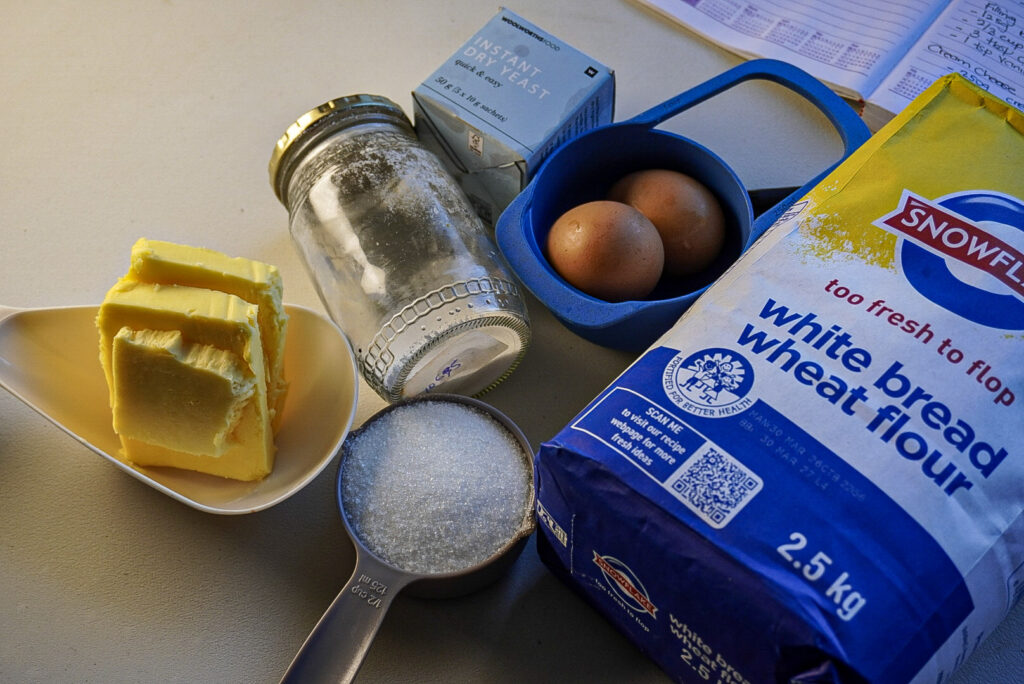
Bread Flour: It contains more protein than all-purpose flour, which helps develop gluten. This gives the cinnamon rolls structure while keeping them soft and fluffy.
Instant Yeast: Yeast helps the dough rise and creates the light texture that cinnamon rolls are known for.
Brown Sugar: Brown sugar adds sweetness to the filling and contributes a slight caramel flavour that pairs well with cinnamon and Biscoff.
Salt: It enhances the flavour of the dough and helps balance the sweetness.
Milk: Adds moisture and richness to the dough. Using warm milk also helps activate the yeast.
Eggs: Provide structure, richness, and help create a soft crumb.
Butter: Enriches the dough, making it softer and more flavourful. It is also used in the filling and frosting.
Tangzhong (Flour and Milk): The tangzhong helps the dough retain more moisture, which keeps the cinnamon rolls soft even after they have cooled.
Ground Cinnamon: Cinnamon is the main flavour in the filling and gives the rolls their classic taste.
Vanilla Extract or Vanilla Bean Paste: rounds out the flavours in both the filling and frosting.
Cream Cheese: creates a smooth frosting with a slight tang that balances the sweetness.
Icing Sugar: sweetens the frosting and helps create a creamy texture.
Biscoff Spread: adds a caramelised biscuit flavour to the frosting and drizzle, making these cinnamon rolls different from the classic version.
Step-by-Step Method to Making Biscoff Cinnamon Rolls
In a small saucepan, whisk together the flour and milk for the tangzhong. Cook over medium heat, stirring constantly, until the mixture thickens into a smooth paste. Remove from the heat and allow it to cool slightly.
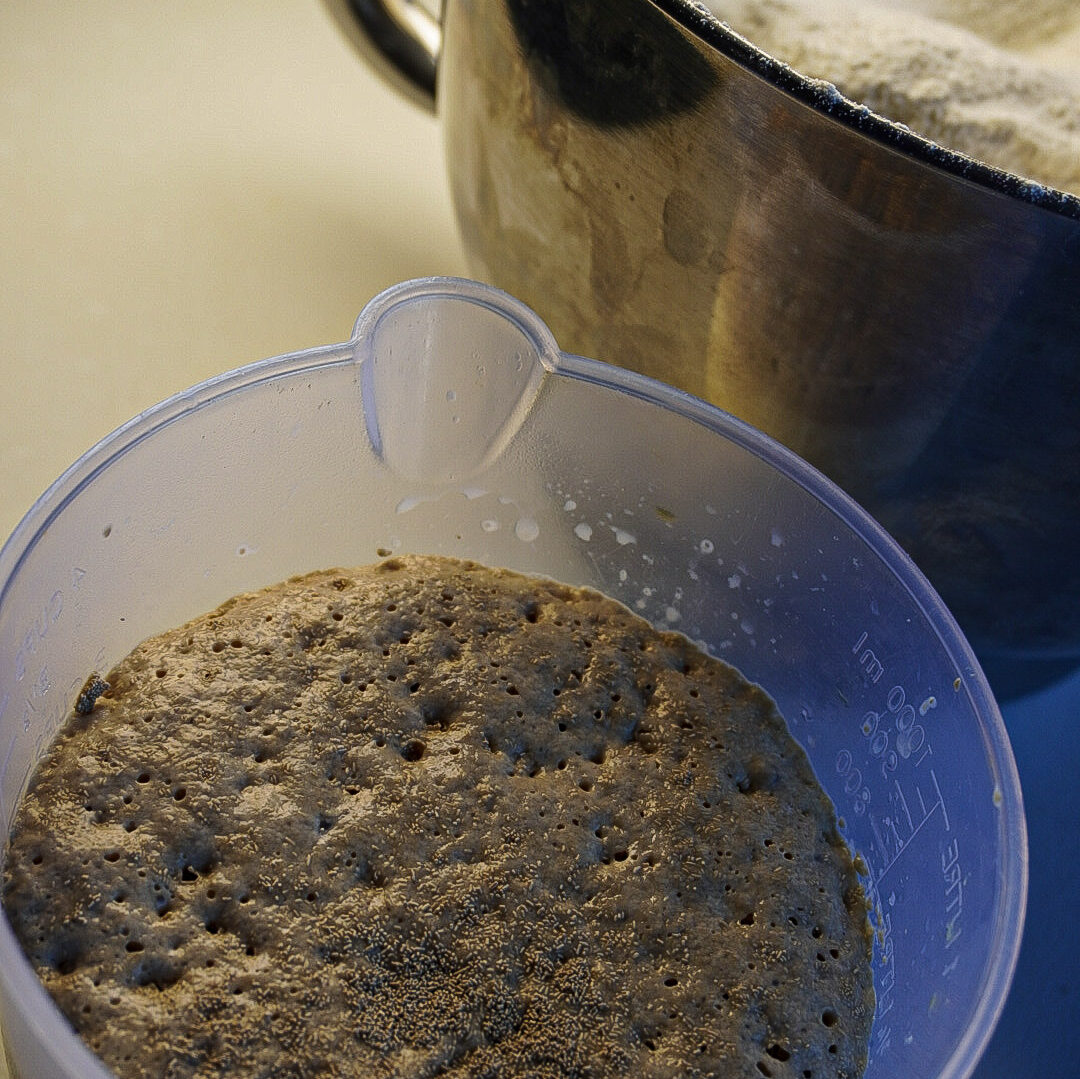
In a large mixing bowl or the bowl of a stand mixer, combine the warm milk, a spoonful of the granulted or brown sugar, and the yeast. Stir gently and leave for 5–10 minutes until the mixture becomes foamy.
Add the remaining brown sugar, bread flour, salt, buttermilk, eggs, vanilla, and the cooled tangzhong to the yeast mixture. Mix until a rough dough forms.
Gradually add the softened butter, a little at a time, and continue kneading until the dough becomes smooth, elastic, and slightly tacky. This usually takes 8–10 minutes in a stand mixer.
Transfer the dough to a lightly greased bowl, cover, and leave to rise in a warm place until doubled in size, about 1–1½ hours.
Mix together the softened butter, brown sugar, and ground cinnamon until well combined.
Roll the dough into a large rectangle on a lightly floured surface. Spread the cinnamon filling evenly over the dough. Roll it up tightly from the long side and cut into equal-sized rolls.
Arrange the rolls in a greased baking dish, leaving a little space between each one. Cover and let them rise until puffy, about 45 minutes.
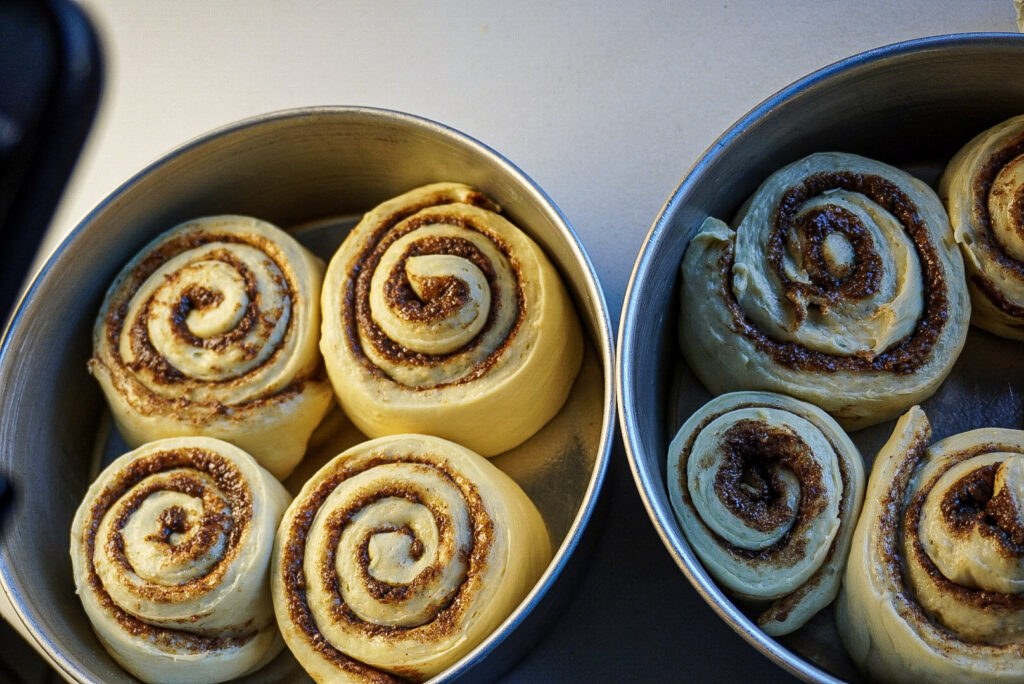
Bake in a preheated oven at 180°C (350°F) for 25–30 minutes, or until golden brown and cooked through.
Beat together the cream cheese, butter, icing sugar, vanilla, and Biscoff spread until smooth and creamy.
Spread the frosting over the warm cinnamon rolls. Drizzle with extra melted Biscoff spread and sprinkle with crushed Lotus biscuits before serving.
Why I Use a Tangzhong for Softer Cinnamon Rolls
One of the questions I’ve seen asked most often is, “What makes cinnamon rolls stay soft?”
For me, the answer is tangzhong. Simple because I tried different versions with success but this one stands out.
Tangzhong is made by cooking flour and milk together until it forms a thick paste. Once cooled and added to the dough, it helps the flour absorb and hold more moisture.
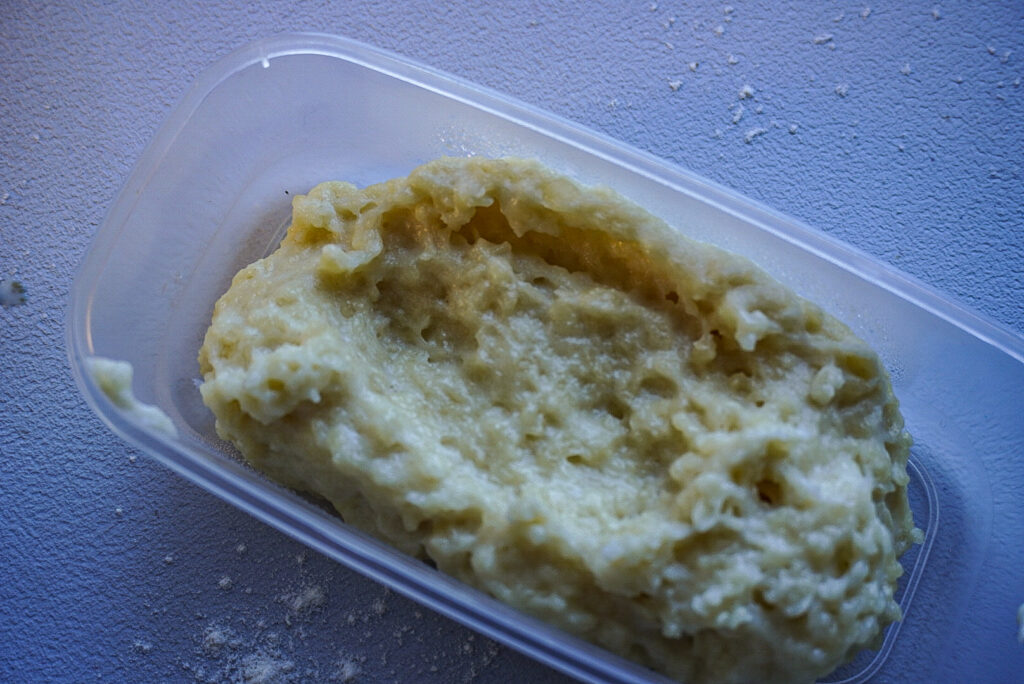
I started using tangzhong after noticing that some cinnamon rolls tasted great straight from the oven but became dry by the next day. Since adding it to my recipes, the rolls stay softer for longer and reheat much better.
This step really makes a noticeable difference.
Why Bread Flour Works Better Than All-Purpose Flour
For some time I have been using cake flour without understanding the texture each kind of flour gives. For this recipe I used bread flour because it contains more protein than any other kind of flour.
It was a GAME-CHANGER!!!
That extra protein helps build gluten, which creates the structure needed for soft and fluffy rolls. The dough becomes stretchy and easier to work with while still producing a tender texture after baking.
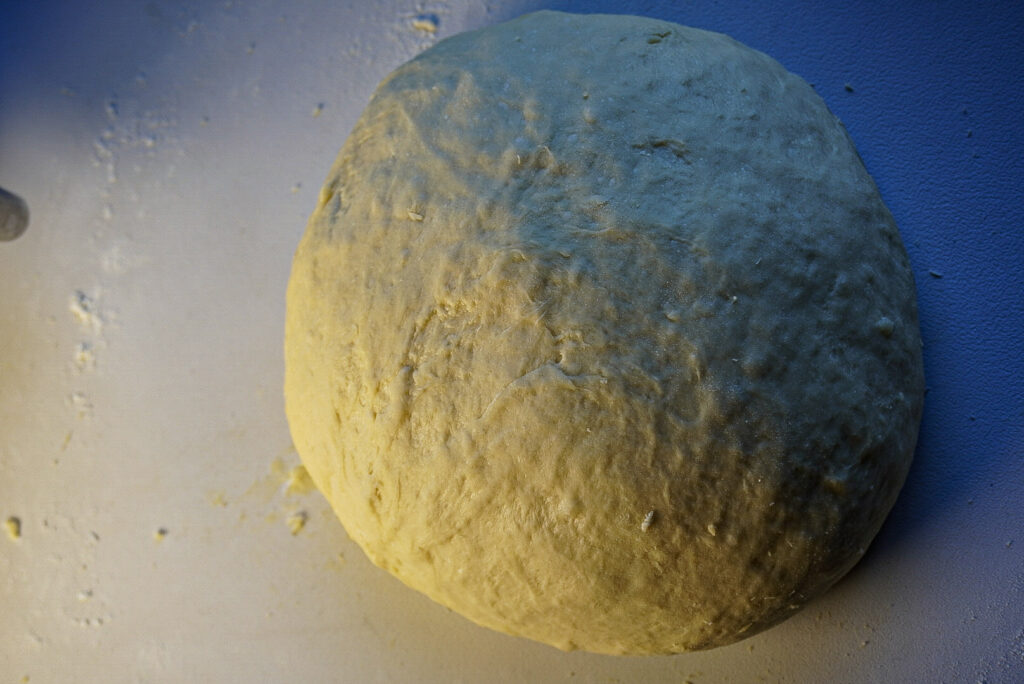
If all-purpose flour is all you have, it can still work, but I find bread flour gives more consistent results.
I’ve used cake flour before because if you’re in South Africa, that a most commonly available flour but trust me the results are not the same as of bread flour.
The texture I would get with cake flour was just hard, not fluffy and soft cinnamon rolls.
How Warm Should the Milk Be for Cinnamon Roll Dough?
Many cinnamon roll problems begin with the yeast.
If the milk is too hot, it can damage the yeast. If it is too cold, the dough may take much longer to rise.
I usually aim for milk that feels warm to the touch but not hot. If you can comfortably place a finger in it for a few seconds, it is generally at a good temperature.
If your kitchen is cold, don’t panic if the dough takes longer to rise. Rising times are always a guideline rather than a strict rule.
How to Know When Your Dough Has Risen Enough
One of the biggest mistakes people make is relying only on the clock.
Instead of watching the time, I watch the dough.
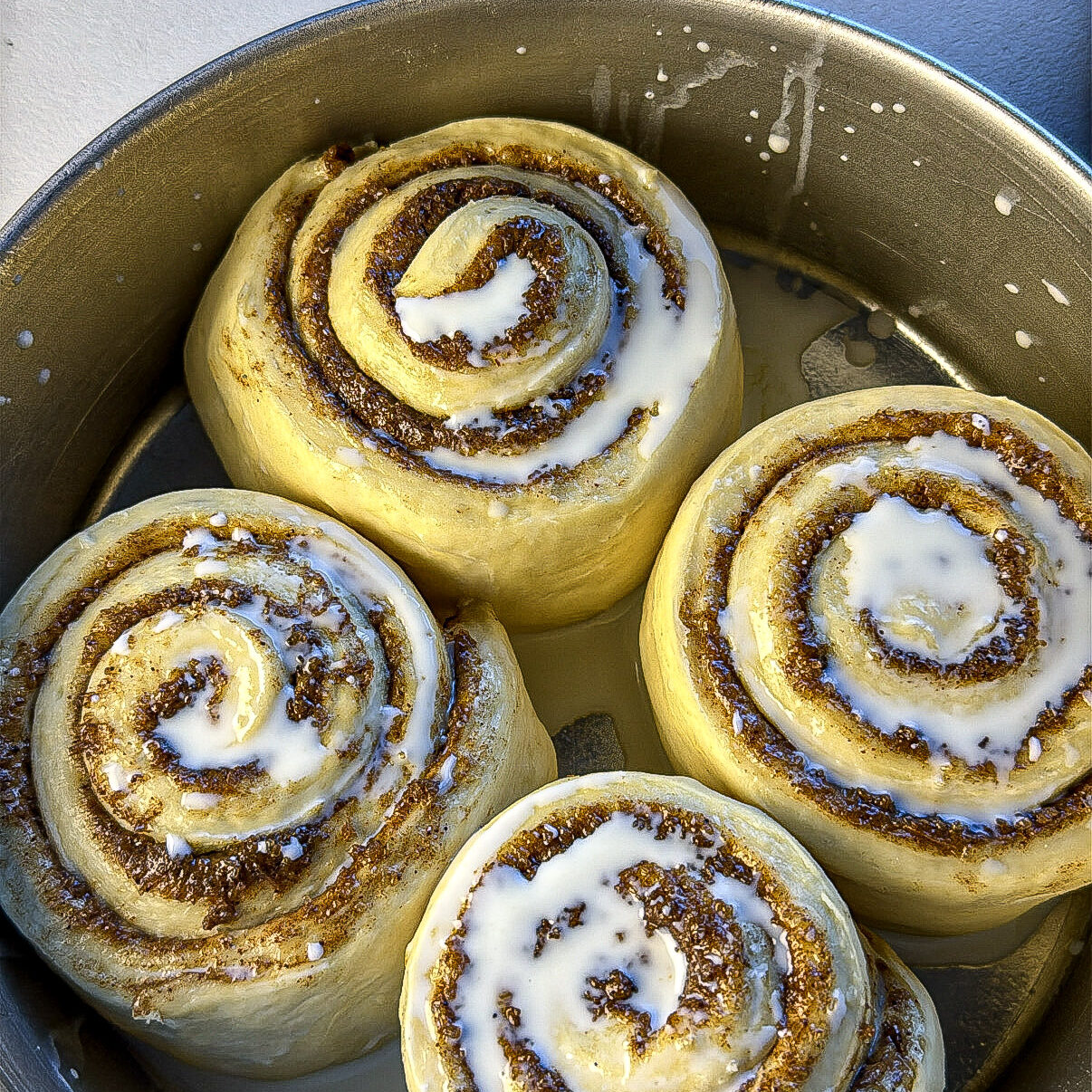
The dough should roughly double in size and look puffy. A simple test is to gently press it with your fingertip. If the indentation slowly springs back, it is usually ready.
Underproofed dough can produce dense rolls, while overproofed dough may collapse during baking.
Learning to recognise properly risen dough is one of the most valuable baking skills you can develop.
Why Your Cinnamon Rolls Might Be Dense Instead of Fluffy
Dense cinnamon rolls can happen for several reasons.
The most common causes are:
- Not allowing enough rising time
- Using inactive yeast
- Adding too much flour
- Not kneading the dough enough
One thing I have learned over the years is that it is better to add flour gradually rather than all at once (may depend on the mixing method). Cinnamon roll dough should feel soft and slightly tacky.
Adding too much flour can make the rolls heavier than intended.
My Tip for an Even Cinnamon Filling
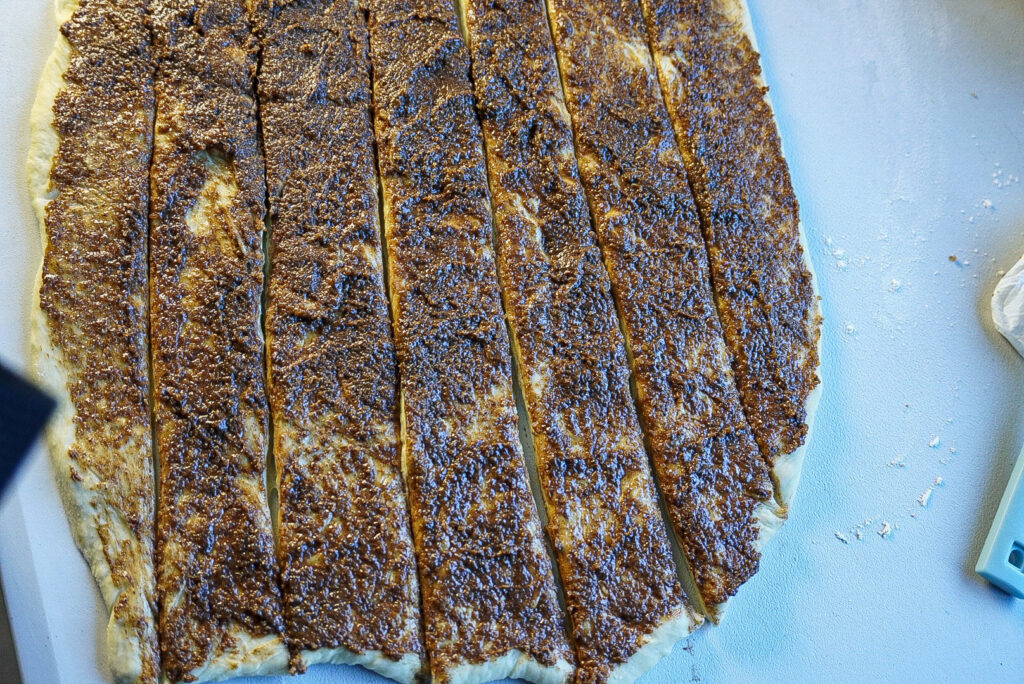
A good cinnamon roll should have filling throughout every layer.
You can make a paste mixture to across before rolling. Softened butter helps the filling stick to the dough more evenly than melted butter.
Mixing the brown sugar, cinnamon, butter and vanilla extract together beforehand also helps prevent uneven pockets of cinnamon.
When rolling the dough, I try not to roll it too tightly. A roll that is too tight can sometimes affect how evenly the rolls rise during baking.
How to Tell When Cinnamon Rolls Are Fully Baked
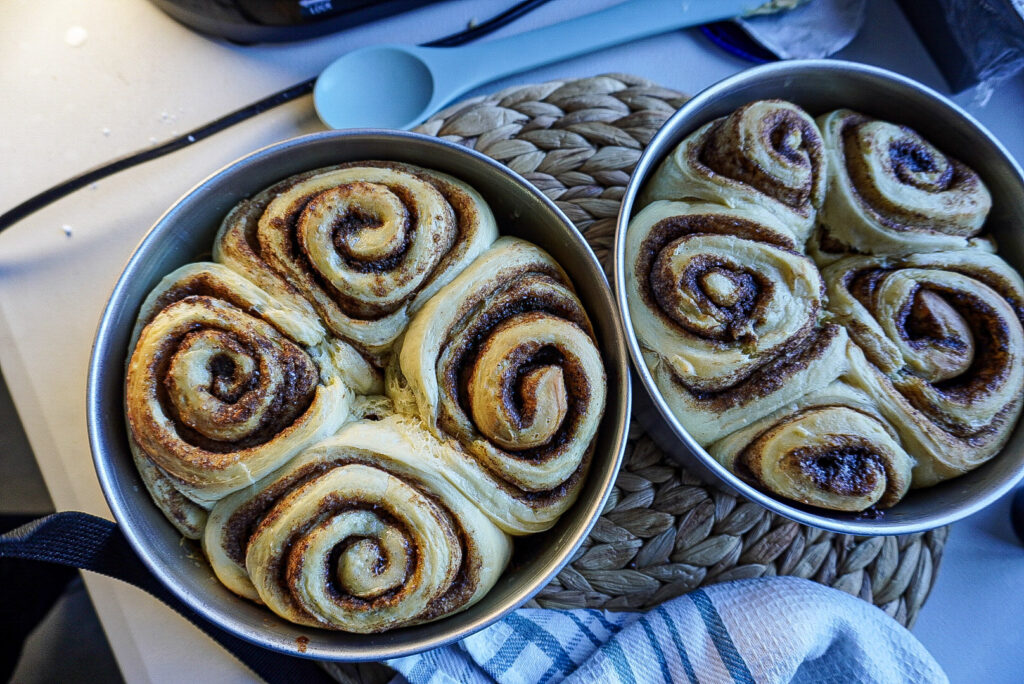
Many bakers worry about underbaking cinnamon rolls, especially in the centre.
I usually look for a light golden colour on top rather than a dark brown one.
The centre rolls should feel set when lightly touched. If you have a thermometer, the internal temperature should be around 88–93°C.
Overbaking is one of the fastest ways to dry out cinnamon rolls, so keep a close eye on them during the final few minutes.
Frost Cinnamon Rolls While They Are Still Warm
There is often debate about whether cinnamon rolls should be frosted hot or completely cool.
Personally, I prefer frosting them while they are still warm.
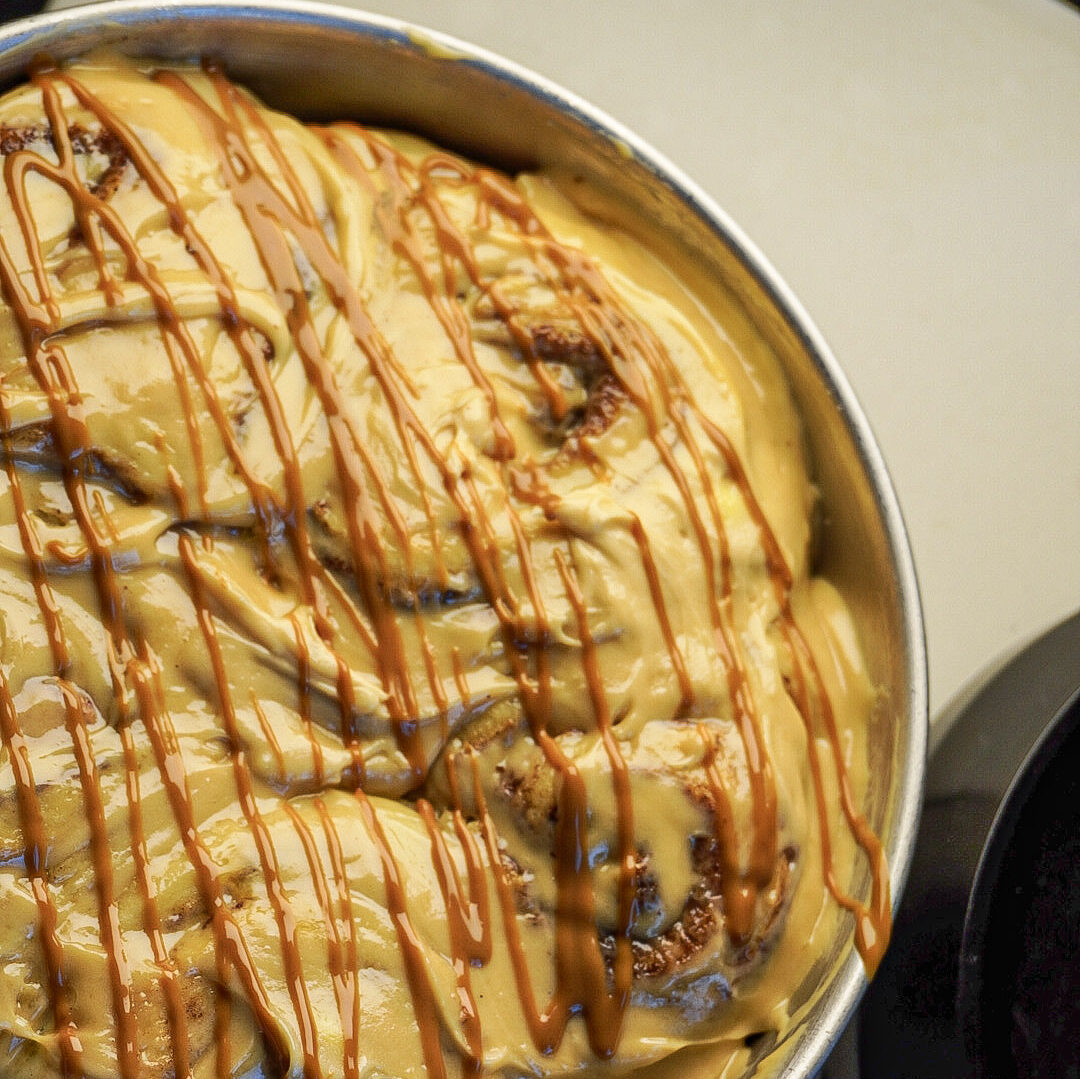
The warmth allows some of the frosting to melt into the rolls while still leaving plenty on top. It creates a balance between a glaze and a frosting.
For this recipe, the Biscoff cream cheese frosting becomes incredibly smooth and easy to spread when added to warm rolls.
Biscoff Cream Cheese Frosting Without It Becoming Runny
Runny frosting is usually caused by ingredients that are too warm.
I like to start with softened butter and cream cheese, but neither should be melted.
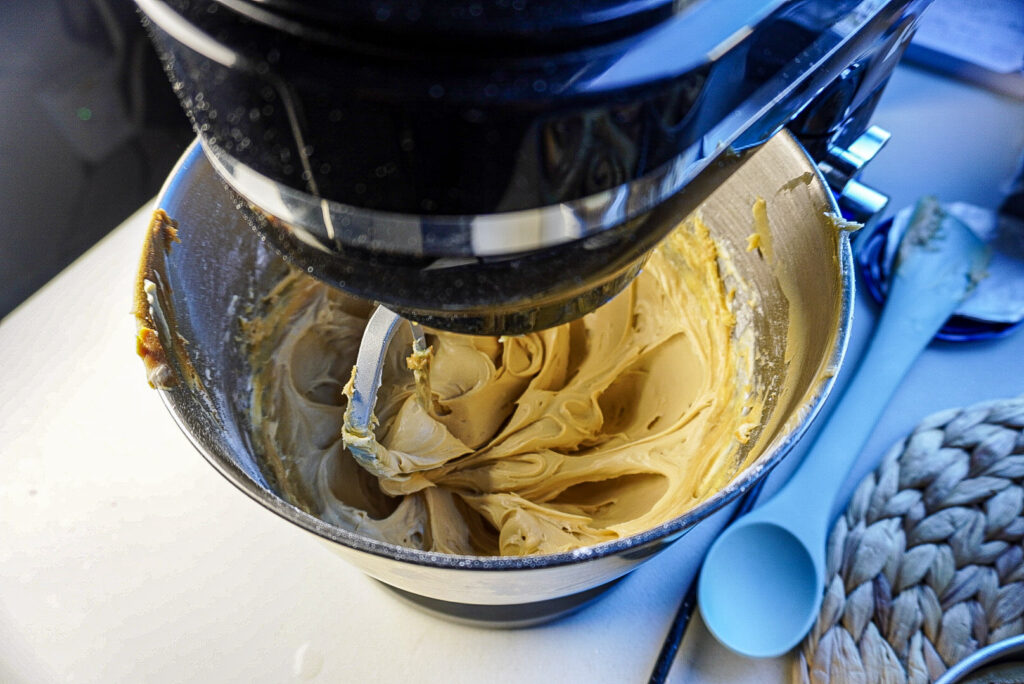
Once beaten together, I add the icing sugar gradually before mixing in the Biscoff spread and vanilla.
If the frosting ever becomes too soft, I place it in the refrigerator for 15–20 minutes before using it.
This simple fix usually brings it back to the perfect spreading consistency.
Lotus Biscuits Make the Perfect Finishing Touch
The final touch on these cinnamon rolls is a drizzle of melted Biscoff spread and a generous scattering of crushed Lotus biscuits.
I recommend adding the biscuits shortly before serving if possible. This helps maintain some crunch and prevents them from softening too much.
The combination of cream cheese frosting, Biscoff drizzle, and biscuit crumbs creates different textures in every bite.
I hope you enjoy this recipe as much as I do. If you decide to make these Biscoff cinnamon rolls, I’d love to hear how they turned out for you. Feel free to leave a comment below with your experience, any tips you discovered along the way, or any questions you may have.
And if you enjoyed the recipe, please take a moment to rate it. Your ratings and feedback not only help other readers, but they also help me continue creating and sharing recipes you’ll love. Happy baking!
Other Pupular Recipes:
- THE Moist Chocolate Cake with Chocolate Ganache
- Easy jam tarts recipe
- Easy Chicken and Mushroom Pizza Recipe

The Softest Biscoff Cinnamon Rolls with Cream Cheese Frosting
Ingredients
Equipment
Method
- For the tangzhong, whisk the flour and milk together in a small saucepan over medium heat. Stir continuously until the mixture thickens into a paste. Remove from the heat and allow it to cool completely.
- In a large bowl or measuring jug, combine the warm milk, a tablespoon of the brown sugar, and the instant yeast. Let it stand for 5–10 minutes until foamy.
- In a large mixing bowl, combine the bread flour and salt.
- Add the cooled tangzhong, yeast mixture, milk, eggs, and softened butter. Mix until a dough forms.
- Knead the dough for 8–10 minutes, or until it becomes smooth and elastic. The dough should feel soft and slightly tacky.
- Place the dough in a lightly greased bowl, cover, and leave it to rise in a warm place until doubled in size, about 1–1½ hours.
- For the filling, mix together the brown sugar, cinnamon, and vanilla.
- Turn the dough onto a lightly floured surface and roll it into a large rectangle. Spread the softened butter evenly over the dough, then sprinkle the cinnamon-sugar mixture over the top.
- Starting from the long side, roll the dough into a log. Cut into 12 equal rolls and arrange them in a greased baking dish, leaving a little space between each roll.
- Cover and allow the rolls to rise for 30–45 minutes, or until puffy.
- Bake at 180°C (350°F) for 25–30 minutes, or until lightly golden on top.
- While the rolls are cooling slightly, beat the cream cheese and butter until smooth. Add the icing sugar, Biscoff spread, and vanilla, then beat until creamy.
- Spread the Biscoff cream cheese frosting over the warm cinnamon rolls. Warm in a microwave (10 -15 sec) few tablespoons of Biscoff spread until pourable and drizzle it over the frosting. Finish with crushed Lotus biscuits before serving.
Discover more from WandileBakes
Subscribe to get the latest posts sent to your email.