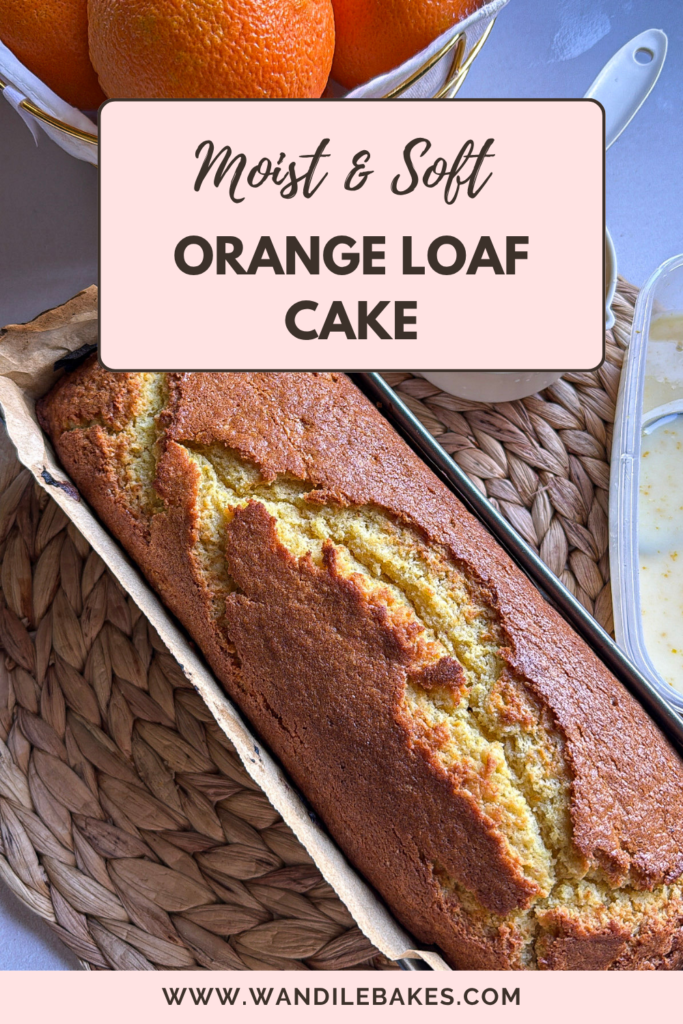
If you are looking for a soft, moist, and reliable orange loaf cake recipe, this is one to keep. It has a fresh orange flavour from both zest and juice, a tender crumb from buttermilk, and extra moisture from a simple orange syrup poured over the warm cake.
Finished with an orange glaze, this loaf is easy enough for everyday baking and neat enough to serve when you have guests.
What makes this recipe work so well is that it focuses on a few practical steps that truly improve the final result. Rubbing the orange zest into the sugar helps release the oils for better flavour. Using both butter and canola oil gives the cake flavour while helping it stay soft.
Adding syrup over the warm loaf allows moisture to soak into the cake instead of sitting only on top. Then, once the loaf has cooled, wrapping it with clingwrap and storing it in an airtight container helps keep that moisture locked in.
This post will walk you through everything you need to know to bake this cake successfully, from ingredients and method to storage tips, common mistakes, and frequently asked questions. If you enjoy simple citrus baking, this orange loaf cake is a good recipe to have in your collection.
Why You Will Love This Orange Loaf Cake
There are many citrus cakes out there, but a good orange loaf cake has a few qualities that make people come back to it.
- It has a clear orange flavour without being overpowering.
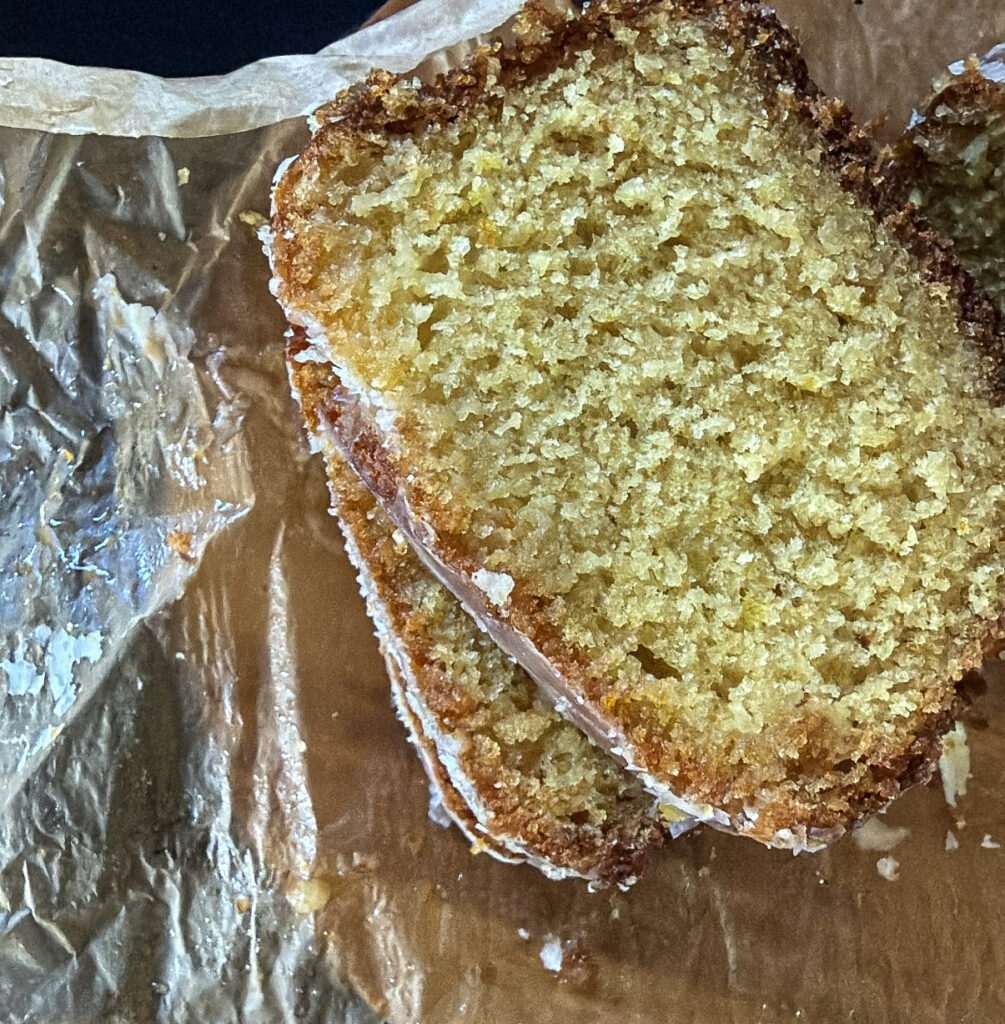
- The crumb is soft and moist thanks to the butter, oil, buttermilk, and syrup.
- It is a simple loaf cake recipe that does not require complicated techniques.
- It keeps well, which makes it useful for make-ahead baking.
- The orange glaze gives it a clean finish without making the recipe feel too heavy.
This is the kind of loaf cake you can bake for tea, casual gatherings, lunch boxes, or weekend baking at home. It is easy to slice, easy to store, and easy to enjoy over a few days.
What Makes This Orange Loaf Cake Moist?
If you have ever searched for a moist orange loaf cake recipe, you already know that texture matters just as much as flavour. A loaf can smell good coming out of the oven, but if it dries out quickly or turns dense, it will not be a recipe worth repeating.
This loaf stays moist for a few reasons.
First, the recipe uses both butter and canola oil. Butter gives the cake flavour, while oil helps hold moisture in the crumb. That combination gives you a better balance than using only one or the other.
Second, buttermilk helps keep the cake tender. It adds moisture to the batter and also works with the baking soda to create a softer texture.
Third, the orange syrup poured over the warm cake adds moisture after baking. This is one of the most important parts of the recipe. By poking small holes into the top of the loaf, the syrup can soak down into the cake properly. This helps the loaf stay soft and also strengthens the orange flavour.
Finally, the way you store the cake matters. Once cooled, wrapping the loaf with clingwrap helps lock up moisture, and storing it in an airtight container helps protect it from drying out.
Ingredients for Orange Loaf Cake
Below is everything you need for the batter, syrup, and glaze.
For the Batter
- 2 1/4 cups cake flour
- 1 tsp baking powder
- 1 tsp baking soda
- 1/2 tsp salt
- 1 cup granulated sugar
- Zest of 1 orange
- 125 g butter
- 1/2 cup canola oil
- 1 cup buttermilk
- 2 tsp vanilla essence
- 1/4 cup organic orange juice
- 3 large eggs
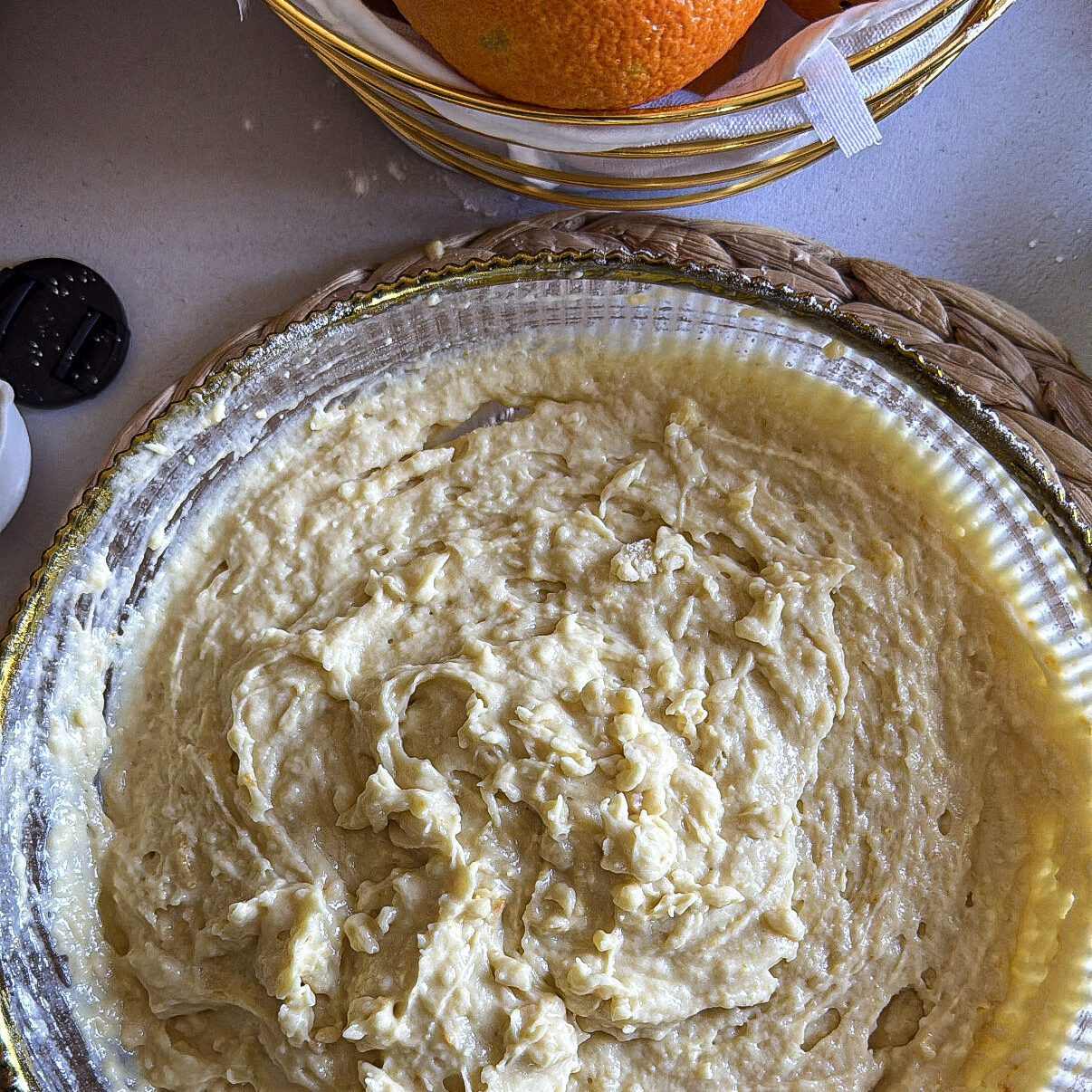
For the Orange Syrup
- 1/4 cup orange juice
- 2 tbsp granulated sugar
- 3 tbsp water
For the Orange Glaze
- 1 cup icing sugar
- 1/4 cup orange juice
- Zest of 1 orange
How to Make Orange Loaf Cake
This orange loaf cake recipe follows a simple method, which makes it approachable even if loaf cakes are not something you bake often.
Start by preparing your loaf pan and preheating your oven. Lining the pan with baking paper can help the loaf release more easily after baking.
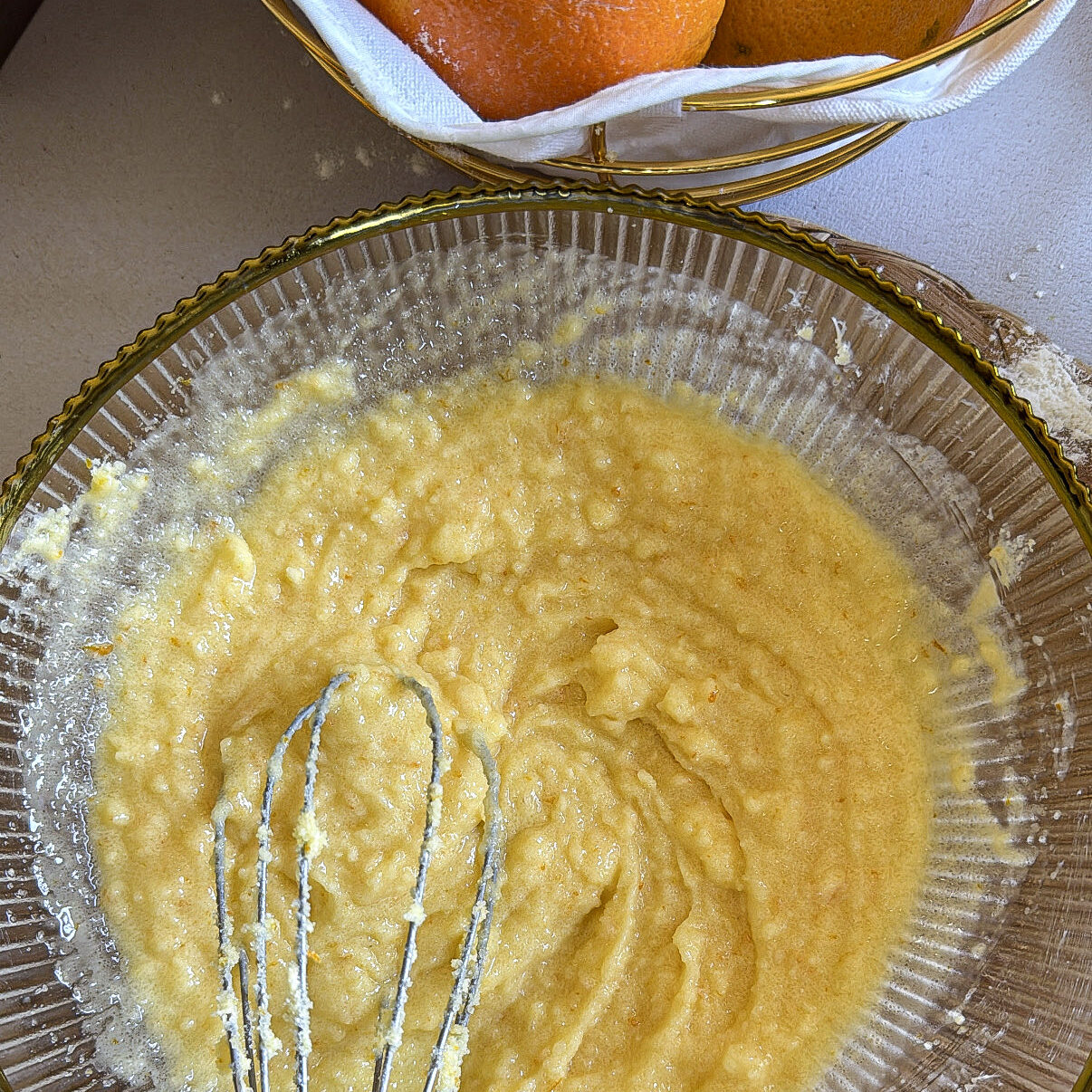
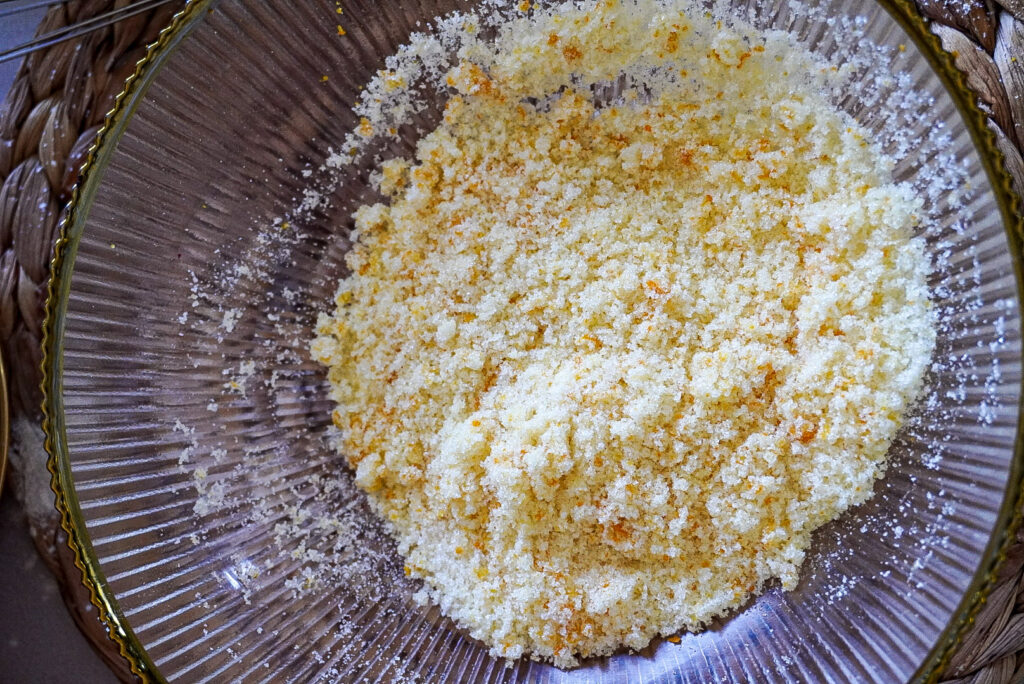
In a large bowl, add the granulated sugar and orange zest. Rub them together with your fingertips until fragrant. This step helps release the oils from the zest and spreads that orange flavour more evenly through the batter.
Add the butter and canola oil, then mix until combined. Add the eggs one at a time, mixing after each addition. This helps the batter stay smooth and stable.
You will now add buttermilk, and orange juice, and stir until it well combined.
In another bowl, whisk together the cake flour, baking powder, baking soda, and salt.
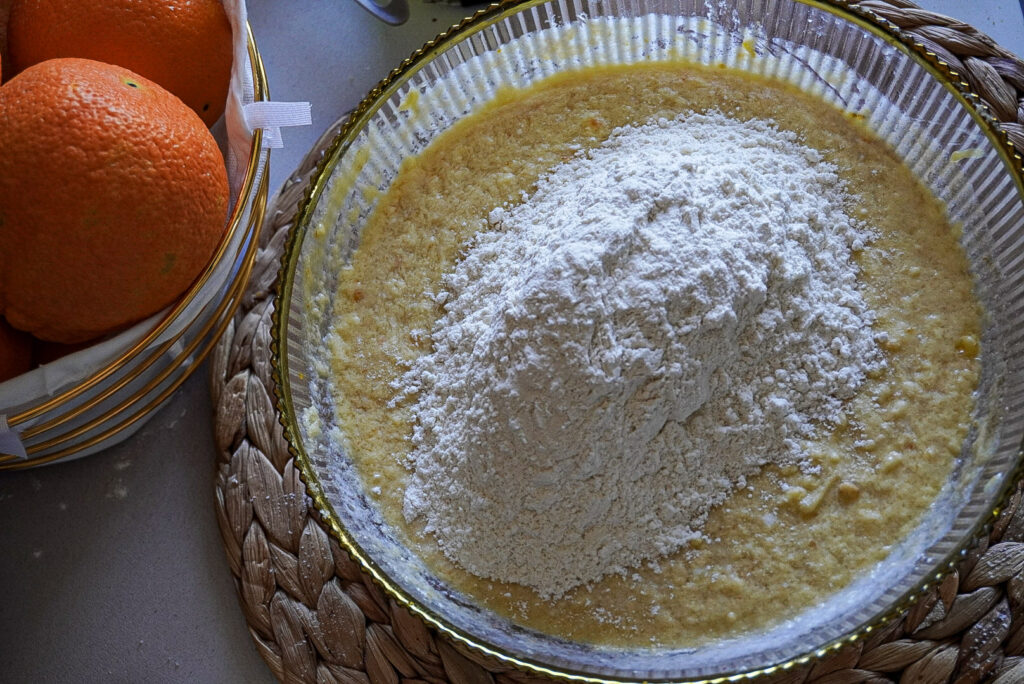
Add the dry ingredients to the wet mixture. Stir only until the batter is combined. Do not overmix, because that can make the cake dense.
Pour the batter into the prepared loaf pan and bake until the cake is risen, lightly golden, and a skewer inserted into the centre comes out clean or with a few moist crumbs attached.
Do Not Skip the Orange Syrup
If you want a truly moist orange loaf cake, do not skip the syrup.
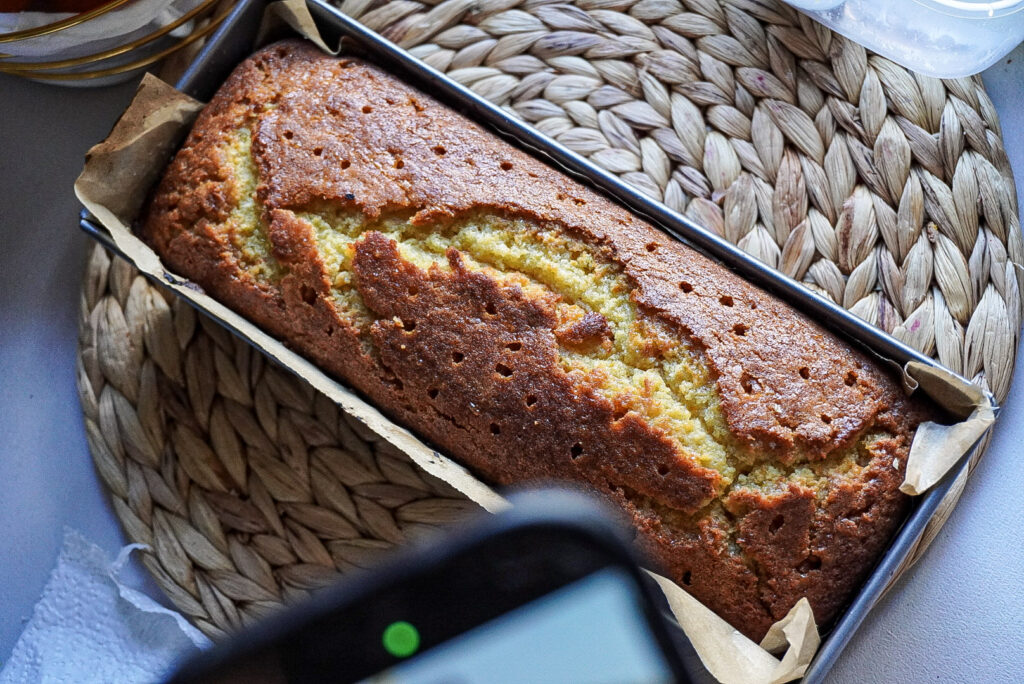
While the loaf is still warm, use a skewer or toothpick to poke small holes over the top. The holes should be small, not deep or wide. You just want to create enough space for the syrup to move through the cake.
To make the syrup, heat the orange juice, granulated sugar, and water together until the sugar dissolves. Spoon or brush the syrup over the warm loaf slowly, allowing it to absorb as you go.
This step adds moisture, but it also gives the loaf a better orange flavour. Instead of the citrus sitting only in the batter and glaze, the syrup helps carry that flavour deeper into the cake.
Orange Glaze for the Top
Once the loaf has cooled, make the orange glaze by mixing the icing sugar, orange juice, and orange zest until smooth.
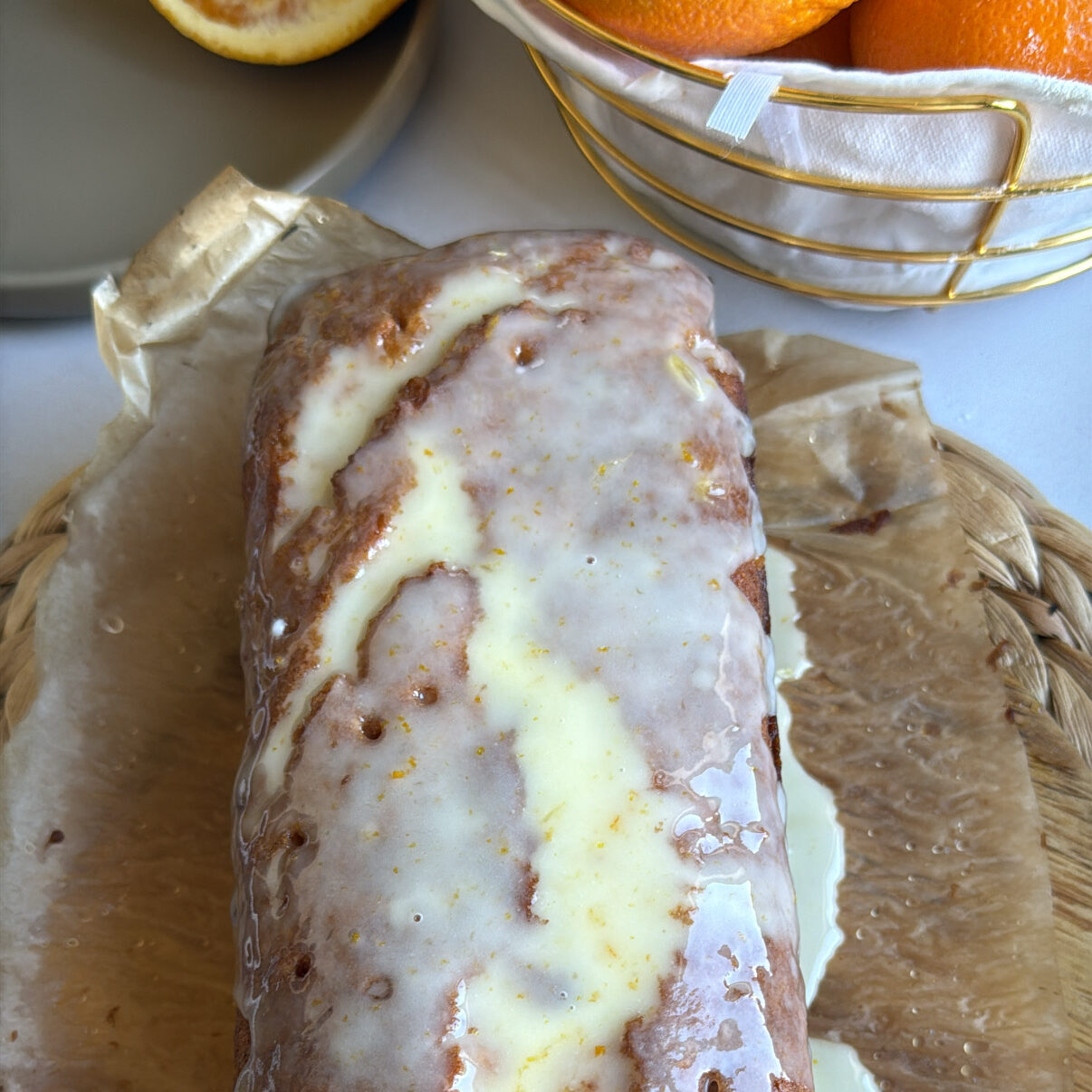
The glaze should be pourable but not too thin. If it is too runny, it will slide off the loaf too quickly. If it is too thick, it may not spread well. A balanced glaze will sit neatly over the top and set nicely.
Adding zest to the glaze helps keep the orange flavour fresh and clear. It also gives the finished loaf a more complete look without adding extra work.
Tips for Baking Orange Loaf Cake Successfully
A few small baking habits can make a big difference when making this recipe.
Rub the Orange Zest Into the Sugar
This simple step helps release the natural oils in the orange peel, which gives the loaf a fuller citrus flavour.
Add the Eggs One at a Time
Adding eggs one by one helps the batter mix more evenly and reduces the chance of the mixture separating.
Do Not Overmix the Batter
Once the flour is added, mix only until everything is combined. Overmixing can create a tighter crumb.
Use Fresh Orange Zest
Fresh zest gives the best flavour. Try to avoid grating too much of the white pith underneath, because that can add bitterness.
Check the Cake Before It Overbakes
Every oven bakes a little differently. Start checking the loaf near the end of the baking time so it does not dry out.
Pour the Syrup Over a Warm Cake
A warm loaf absorbs syrup much better than a cold one. This helps the syrup soak through the crumb properly.
Common Mistakes to Avoid
Even a simple orange loaf cake recipe can go wrong if a few details are missed.
Skipping the Zest and Sugar Step
You can add zest directly to the batter, but rubbing it into the sugar gives a better result.
Overmixing the Batter
This is one of the easiest ways to end up with a heavy loaf.
Adding Syrup to a Cold Cake
A cold cake will not absorb the syrup as well, so the moisture stays closer to the surface.
Poking Holes That Are Too Large
Small holes are enough. Larger holes can make the top look rough and may affect how neatly the cake slices.
Storing the Cake Uncovered
Leaving the loaf exposed to air will dry it out faster, even if the batter itself is well balanced.
How to Store Orange Loaf Cake
Good storage is one of the easiest ways to protect the texture of your loaf after baking.
Once the cake has cooled, wrap it well with clingwrap. This helps lock up moisture and slows down drying. After that, place the loaf in an airtight container for storage.
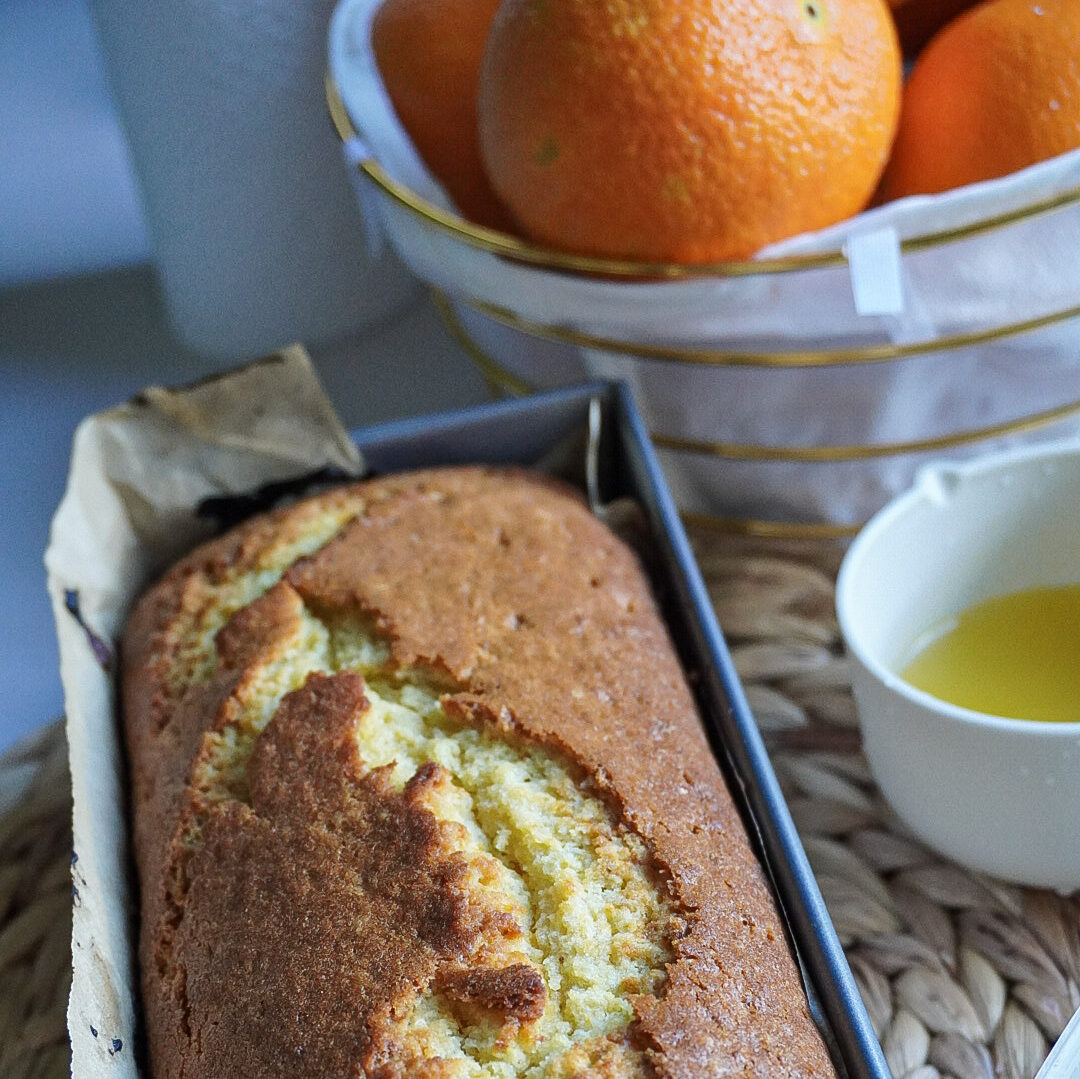
If the cake has already been glazed, let the glaze set before wrapping it. If you want the top to look especially fresh, you can also store the loaf without glaze and add the glaze later before serving.
Stored properly, this cake stays pleasant for several days.
Can You Freeze Orange Loaf Cake?
Yes, this loaf freezes well. Let the cake cool completely, then wrap it tightly and place it in a freezer-safe airtight container or bag.
For the best finish, you may prefer to freeze the loaf without the glaze and add the glaze once the cake has thawed. That way the top still looks fresh when served.
Freezing can be useful if you want to bake ahead for a gathering, gifting, or a busy week.
What to Serve With Orange Loaf Cake
This loaf is easy to serve because it does not need much on the side.
- Tea
- Coffee
- Fresh fruit
- Plain yoghurt
- Light whipped cream
Because the cake already has syrup and glaze, simple pairings usually work best.
Frequently Asked Questions
Yes. This cake keeps well and often tastes even better the next day once the flavour has settled and the syrup has fully soaked in.
You can, but the syrup is a big part of what keeps this loaf moist. It also adds more orange flavour after baking.
The loaf is ready when it is risen, lightly golden, and a skewer inserted into the centre comes out clean or with a few moist crumbs.
If you enjoy citrus baking, you may also like this lemon cake loaf.
Why This Orange Loaf Cake Is Worth Making
A good orange loaf cake does not need to be complicated. What matters most is a soft crumb, clear citrus flavour, and a method that readers can trust. This recipe delivers those things in a straightforward way.
It is the kind of cake that works for everyday baking, for guests, or for making ahead when you want something easy to serve. If you try this recipe, come back and let me know how it turns out. It is always helpful to hear how it turned out in your kitchen and whether it became one of your regular loaf cake recipes.
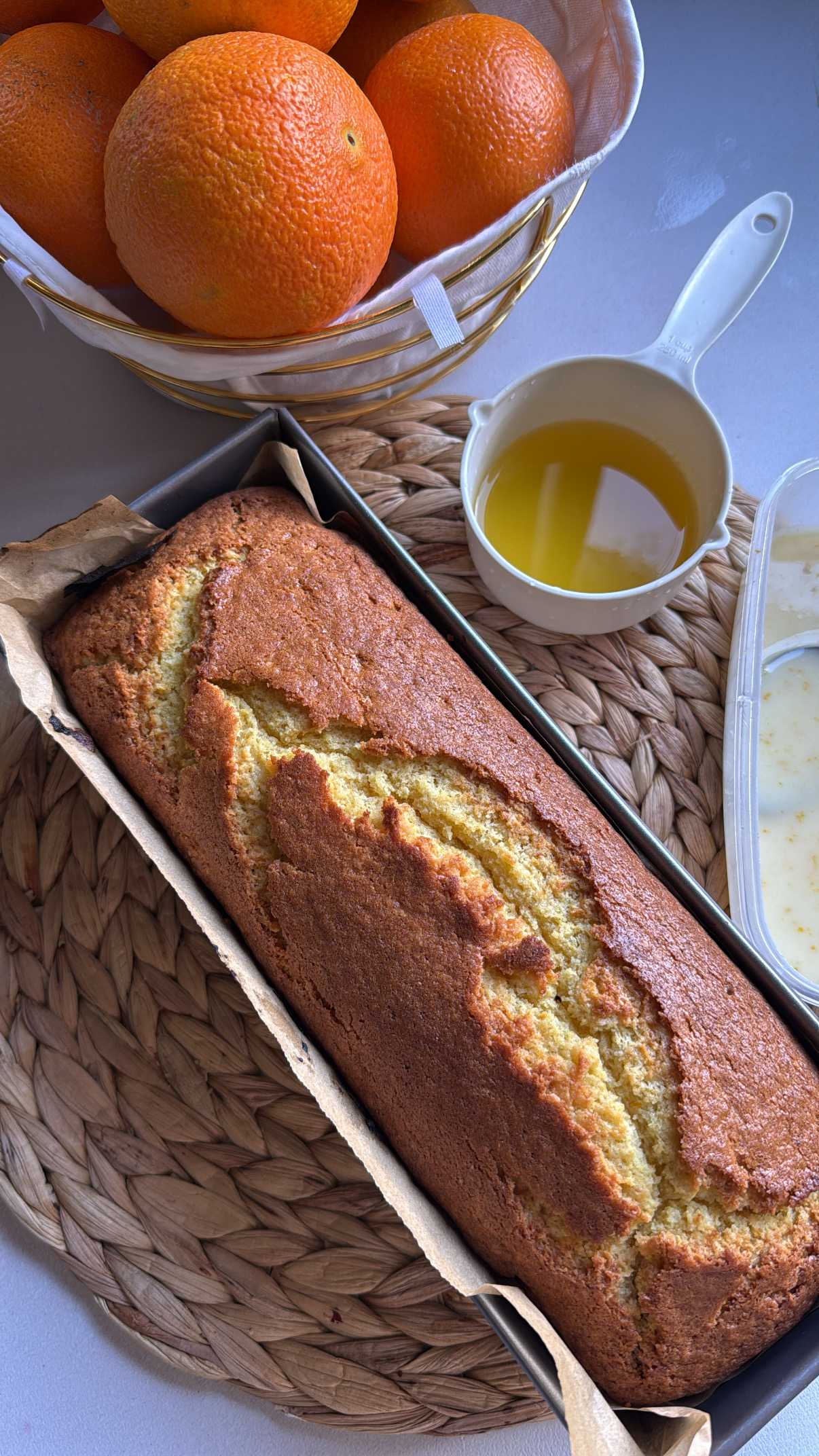

Moist Orange Cake Loaf with Syrup and Glaze
Ingredients
Equipment
Method
- Preheat the oven to 180°C. Grease and line a 9 × 5-inch loaf pan with baking paper.
- In a medium bowl, whisk together the cake flour, baking powder, baking soda, and salt. Set aside.
- In a large mixing bowl, rub the granulated sugar and orange zest together with your fingertips until the sugar is fragrant and lightly tinted orange. This helps release the natural oils from the zest for a stronger orange flavour.
- Add the vegetable oil and mix until well combined.
- Add the eggs, one at a time, beating well after each addition.
- Mix in the vanilla extract.
- Add the buttermilk and mix until combined.
- Stir in the fresh orange juice.
- Add the softened butter and mix until smooth and well incorporated.
- Gradually fold the dry ingredients into the wet ingredients, mixing just until no streaks of flour remain. Do not overmix.
- Pour the batter into the prepared loaf pan and smooth the top.
- Bake for 50–60 minutes, or until a skewer inserted into the centre comes out clean.
- While the loaf is baking, combine water, granulated sugar and orange juice in a small saucepan.
- Heat over medium-low heat, stirring until the sugar has completely dissolved. Do not boil.
- Once the loaf has baked, allow it to cool in the pan for 10 minutes.
- Remove the loaf from the pan and place it on a cooling rack.
- Using a skewer or toothpick, poke small holes all over the warm loaf.
- Slowly spoon or brush the warm syrup over the loaf, allowing it to soak in before adding more. Leave to cool completely.
- In a small bowl, whisk together the icing sugar and orange juice until smooth.
- Drizzle the glaze over the cooled loaf.
- Finish with a sprinkle of fresh orange zest before serving.
Discover more from WandileBakes
Subscribe to get the latest posts sent to your email.