Yesterday’s lamington cake turned into one of those bakes that keeps pulling people back to the kitchen. I started with a soft sponge, split the dipping between raspberry and chocolate, then finished some with fresh cream and homemade berry jam.
By the time everything was done, it felt less like a simple tray bake and more like a proper treat table. That is what I like about lamingtons: the base recipe is straightforward, but you can take it in different directions without making it fussy.
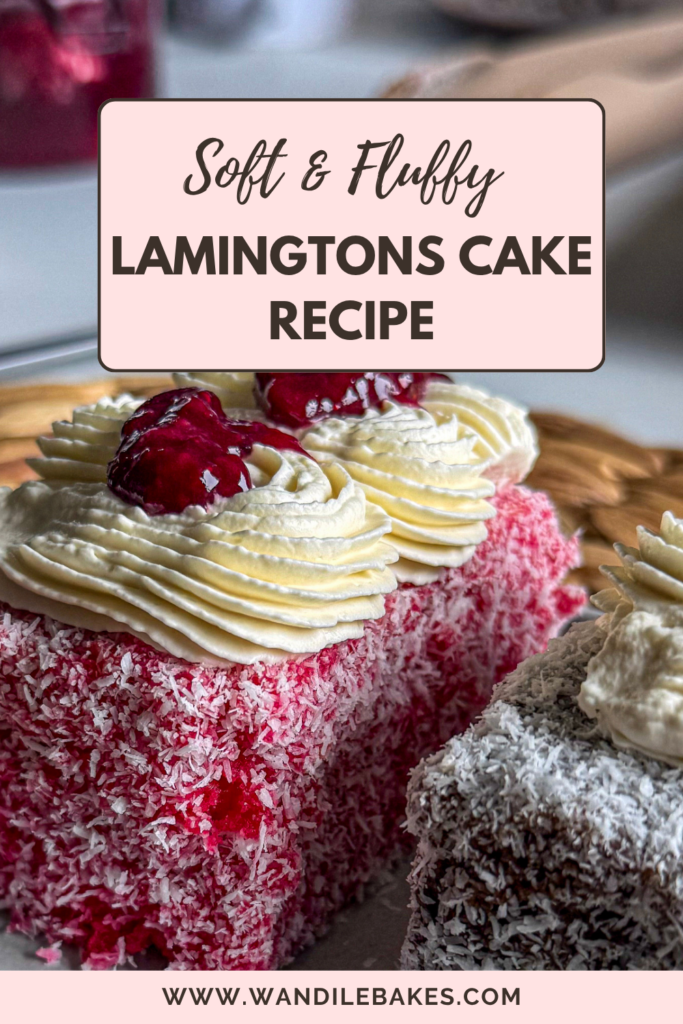
This version is the one I baked yesterday, and it is worth sharing properly because it answers the question a lot of bakers have: how do you make a lamington cake that feels homemade, holds together well, and still gives you room to add something extra?
In my case, the extra was piped fresh cream and berry jam. The sponge stayed soft, the dips set well, and the coconut brought everything together. If you want a lamington recipe that works for a weekend bake, a family gathering, a tea table, or content that readers will actually want to save, this is the kind of post that earns its place.
Why this lamington cake is worth making
There are some bakes you make once because they look good in photos, and then there are bakes you return to because people genuinely enjoy eating them. Lamington cake belongs in the second group. It is familiar, easy to serve, and practical enough for a home kitchen. At the same time, it never feels boring when done well.
The biggest strength of lamingtons is that they offer more than one texture in a single bite. You get the sponge, the dipping layer, and the coconut coating all at once.
In this version, there is also the option of adding fresh cream and berry jam on top, which changes the lamington from a simple tea-time bake into something that feels a little more complete. Not fancy. Just well thought out.
I also like that a lamington cake can be made in stages. You bake the sponge, let it cool, then move to dipping and coating. If you want, you can stop there. If you want more, you add the cream and jam. That flexibility makes it useful for home bakers. You are not locked into one finish.
The lamington cake I baked yesterday
This is the exact recipe I used.
For the cake
- 2 cups cake flour
- 1 tsp baking powder
- 1 tsp baking soda
- 1/4 tsp salt
- 2/3 cup granulated sugar
- 65g butter
- 1/3 cup oil
- 3 large eggs
- 1/2 cup milk
- 1/2 cup buttermilk or maas
Bake at
- 160 degrees
For the raspberry dipping
- 250g raspberry lamington dip
- 250ml water
For the chocolate dipping
- 250g chocolate lamington dip
- 250ml water
For coating
- Desiccated coconut, as much as needed
For the berry jam
- 2 cups berries
- Juice of 1 lemon
- 2 tbsp sugar
- 1 tsp cornstarch
For topping
- Fresh cream, piped on top
What I liked about this recipe from the start was how balanced it felt. The sponge uses both butter and oil, which is often a good sign in a cake meant for dipping. Butter gives flavour, and oil helps keep the crumb soft. The buttermilk or maas is another strong point because it helps create a tender texture while working with the baking soda for lift.
That matters for lamington cake, because the sponge has a job to do. It cannot be too airy or it may fall apart in the dip. It cannot be too dense either, because then the final lamington feels heavy once coated. This recipe sits in a good middle ground.
What makes this sponge work for lamington cake
A lot of the success of a lamington cake comes down to the sponge. People tend to focus on the dip and coconut, but the cake itself does most of the heavy lifting. If the sponge is wrong, no amount of coating will save it.
This one works because it is soft without being fragile. The combination of cake flour, eggs, butter, oil, milk, and buttermilk creates a crumb that is tender but still sliceable. That is exactly what you need when you plan to cut the cake into squares and dip each piece individually.
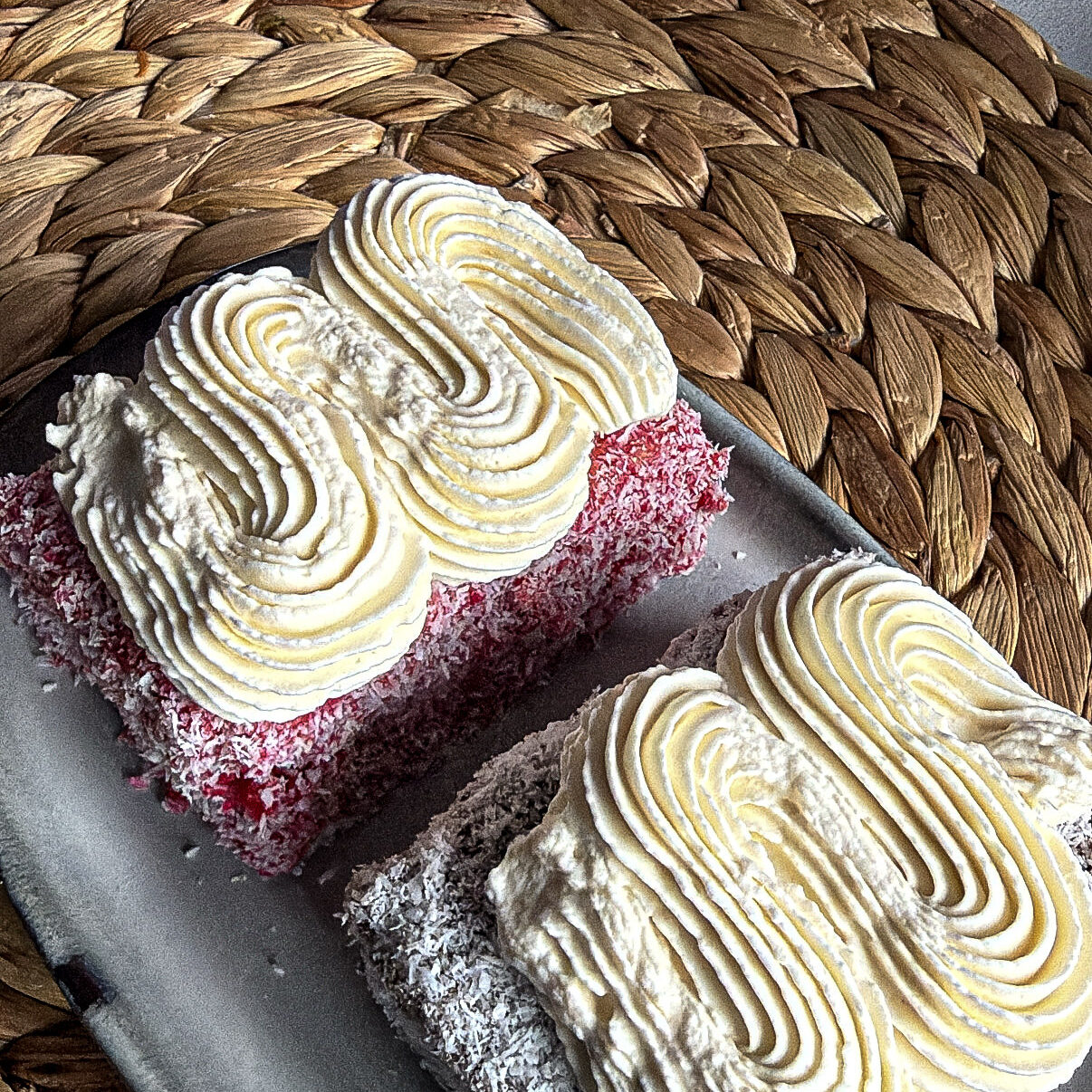
When I baked it yesterday, the sponge came out evenly enough to cut cleanly, which I appreciated. An uneven cake can still taste fine, but it makes the dipping process less smooth. With lamingtons, neat squares help. They coat more evenly and look better once rolled in coconut.
The sugar level is also worth mentioning. It is not overloaded. That is useful because the dipping mixtures add sweetness, and if the sponge itself is too sweet, the finished lamington cake can feel like too much. This version leaves room for the raspberry and chocolate coatings to do their part.
Why I used both raspberry and chocolate dip
One of the reasons I enjoyed this batch was the mix of flavours. Instead of making every piece the same, I split the lamingtons between raspberry dip and chocolate dip. That gave me variety without any real complication. The process stayed the same, but the result felt more interesting.
The chocolate version is the one most people expect from a lamington cake. It is classic, reliable, and always goes first with anyone who likes traditional bakes or chocolate cake. The raspberry version brings something different. It adds a fruit note that works especially well with coconut and makes the lamington feel lighter on the palate.
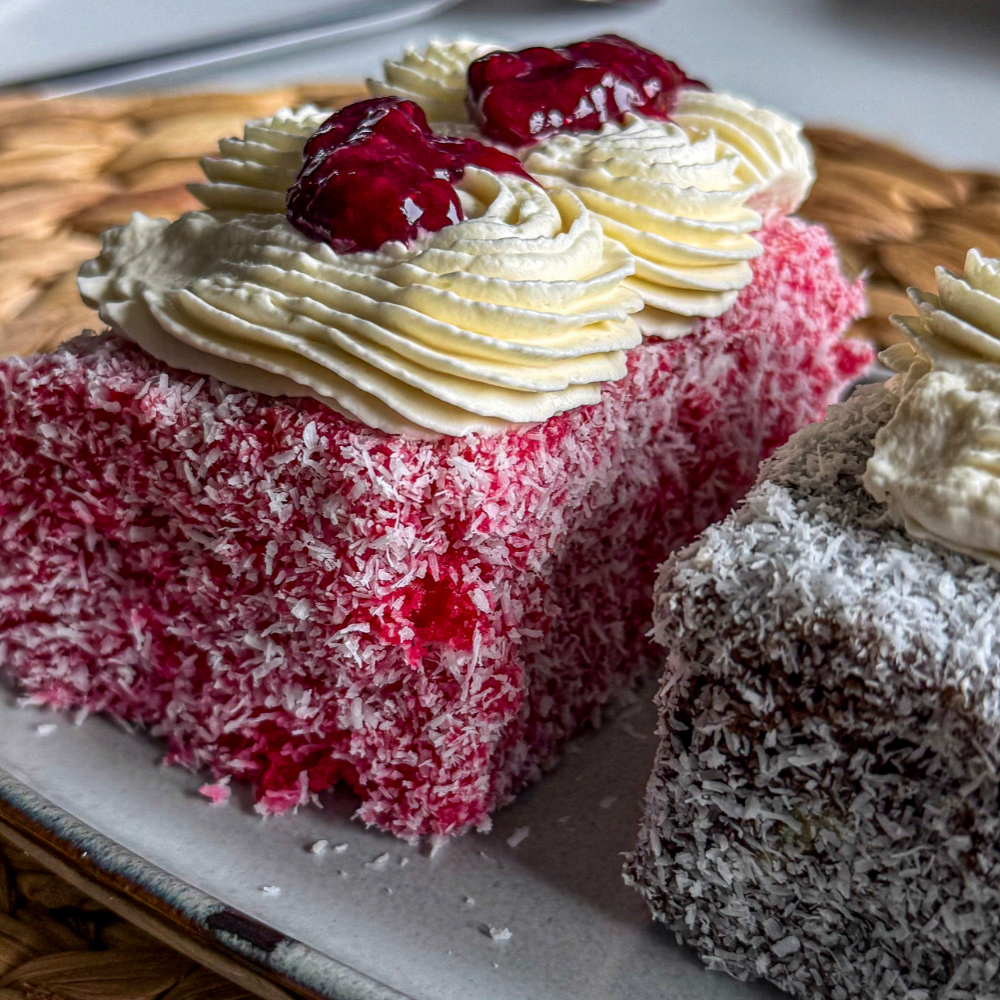
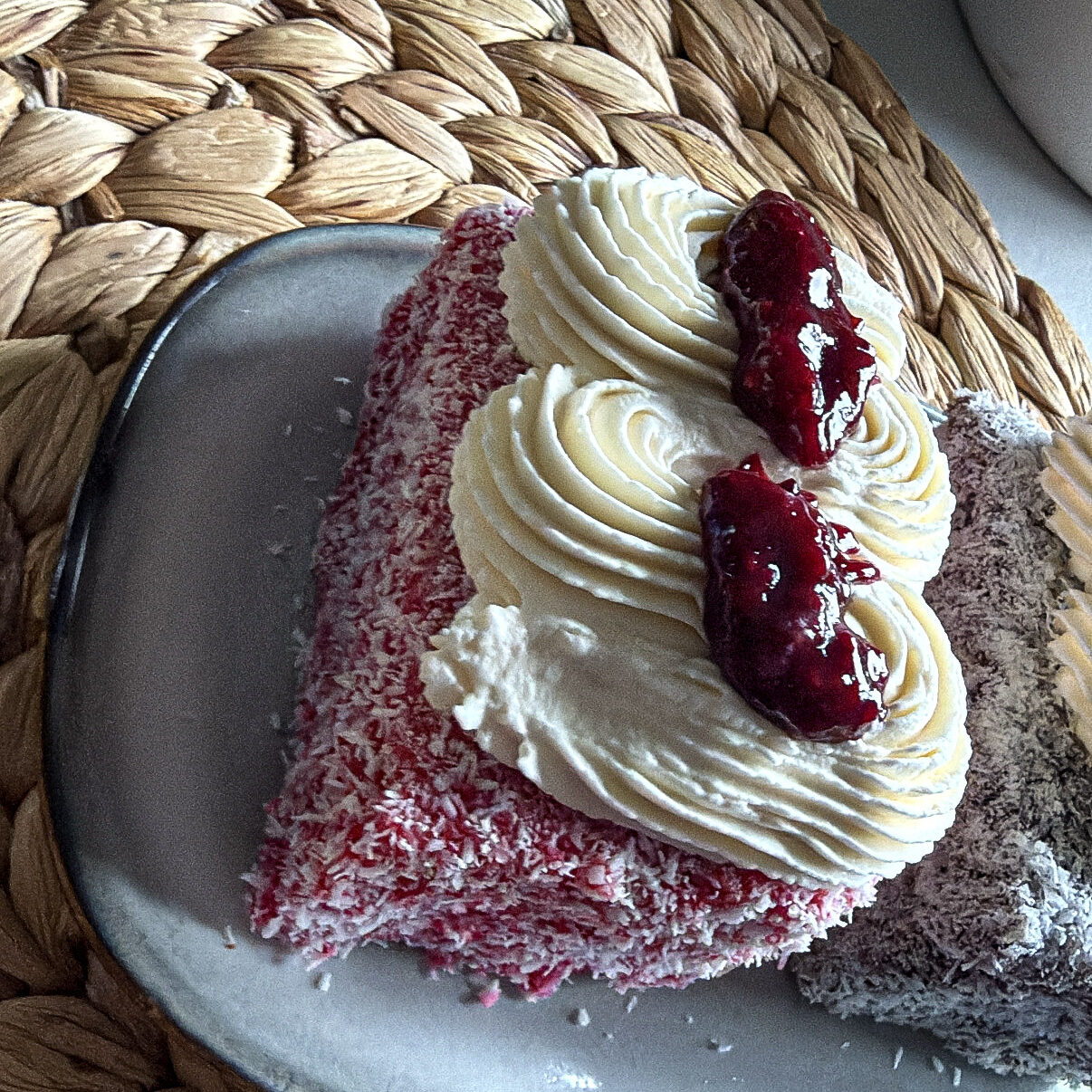
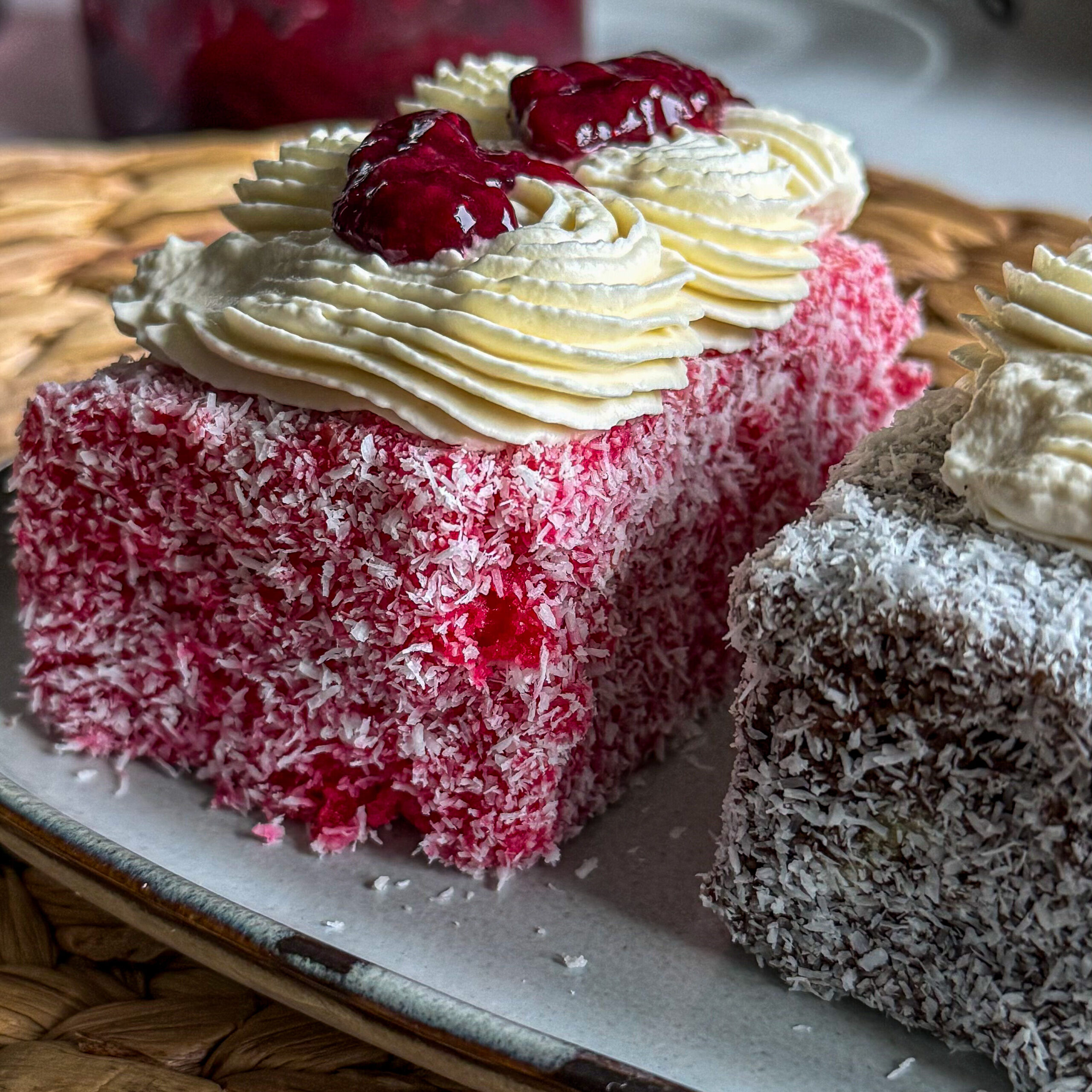
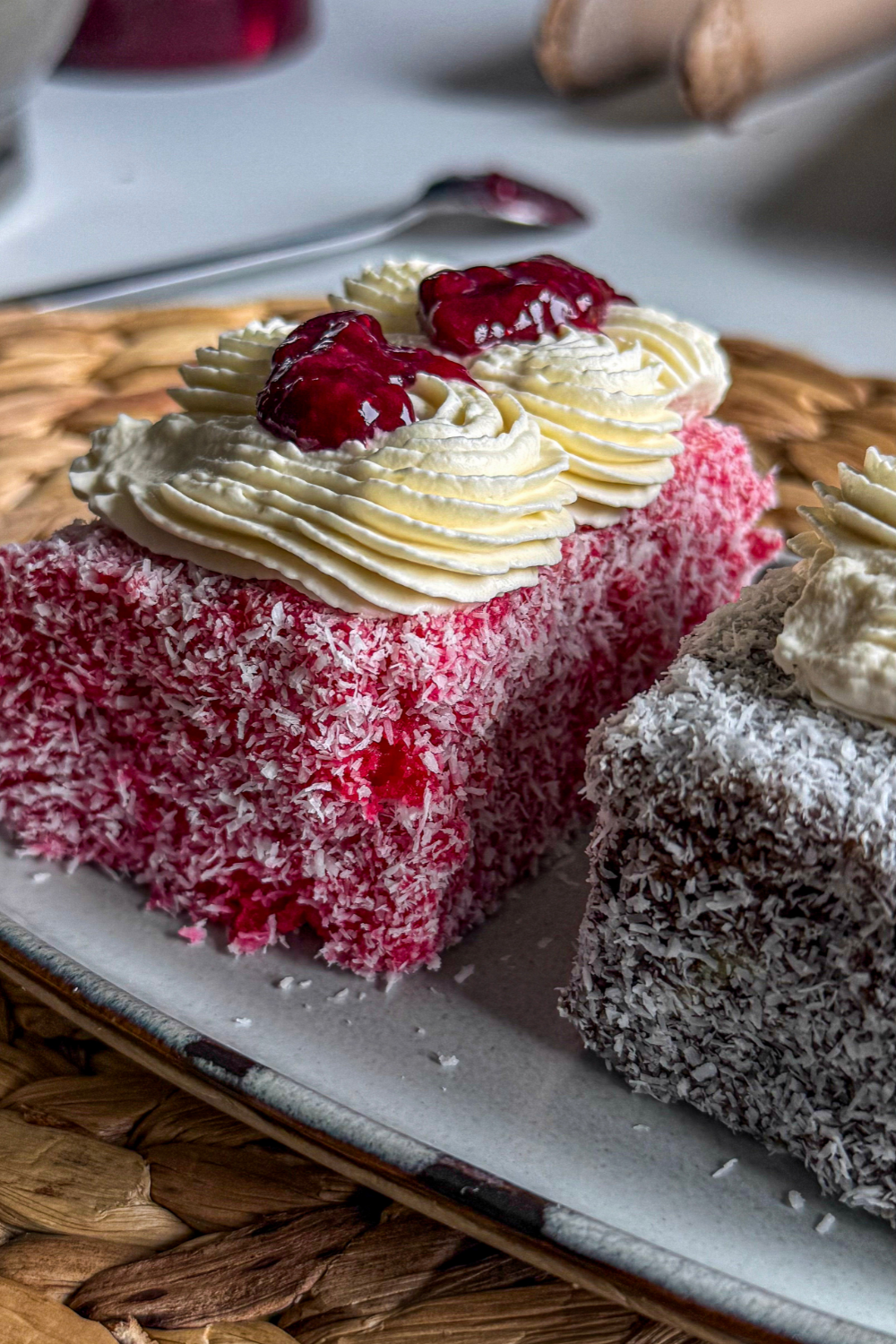
I found that the raspberry dip also paired very naturally with the berry jam and cream topping. The chocolate ones looked a little richer, while the raspberry ones felt more delicate in flavour. Serving both together made the tray look more thoughtful without needing extra decoration.
Step-by-step method
1. Prepare the oven and tin
Preheat the oven to 160 degrees. Grease and line a baking tin with baking paper. A rectangular tin works well because it gives you even edges for cutting later.
2. Mix the dry ingredients
In a bowl, whisk together:
- 2 cups cake flour
- 1 tsp baking powder
- 1 tsp baking soda
- 1/4 tsp salt
Whisking or sifting helps distribute the raising agents properly.
3. Cream butter and sugar
In a separate bowl, beat the 65g butter and 2/3 cup granulated sugar until combined and slightly lighter in texture.
4. Add oil and eggs
Add 1/3 cup oil and mix in. Then add the 3 eggs, one at a time, mixing after each addition.
This helps keep the batter smooth and prevents it from splitting.
5. Add the milk and dry ingredients
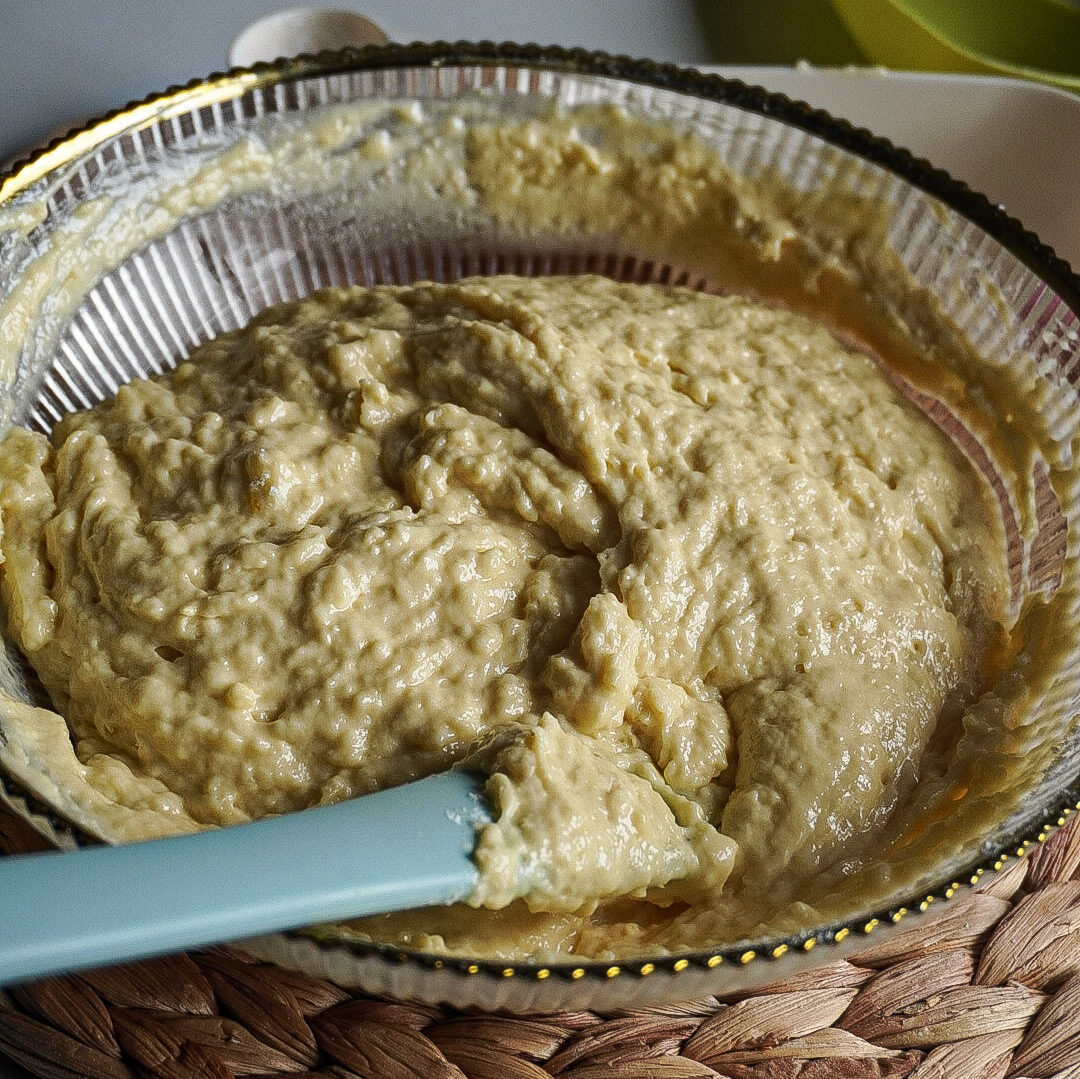
Mix the 1/2 cup milk and 1/2 cup buttermilk or maas together. Add the dry ingredients and milk mixture to the batter in alternating parts, beginning and ending with the dry ingredients.
Do not overmix. Once the batter is smooth and the flour is incorporated, stop.
This is one of the most important things in a lamington cake recipe. Overmixing can tighten the crumb, and you want the sponge to stay soft.
6. Bake
Pour the batter into the prepared tin and smooth the top. Bake at 160 degrees for 25 min or until the cake is fully baked and a skewer inserted in the centre comes out clean.
7. Cool completely
Leave the cake to cool before cutting. This part matters. A warm cake is much harder to dip neatly, and it is more likely to break.
If I am planning a full tray of lamington cake, I prefer to let the sponge cool completely first, and sometimes I even give it a bit of time to firm up before cutting.
8. Cut into squares
Once cooled, cut the cake into even squares. You can trim the edges first if you want a cleaner finish.
9. Prepare the dips
For the raspberry dip, cook in a pan:
- 250g raspberry lamington dip
- 250ml water
For the chocolate dip, mix:
- 250g chocolate lamington dip
- 250ml water
Stir each until smooth and thickens a bit.
10. Dip and coat
Dip each square into either the raspberry or chocolate mixture, allowing excess to drip off, then roll in desiccated coconut.
Place the coated lamingtons on a tray or rack to set.
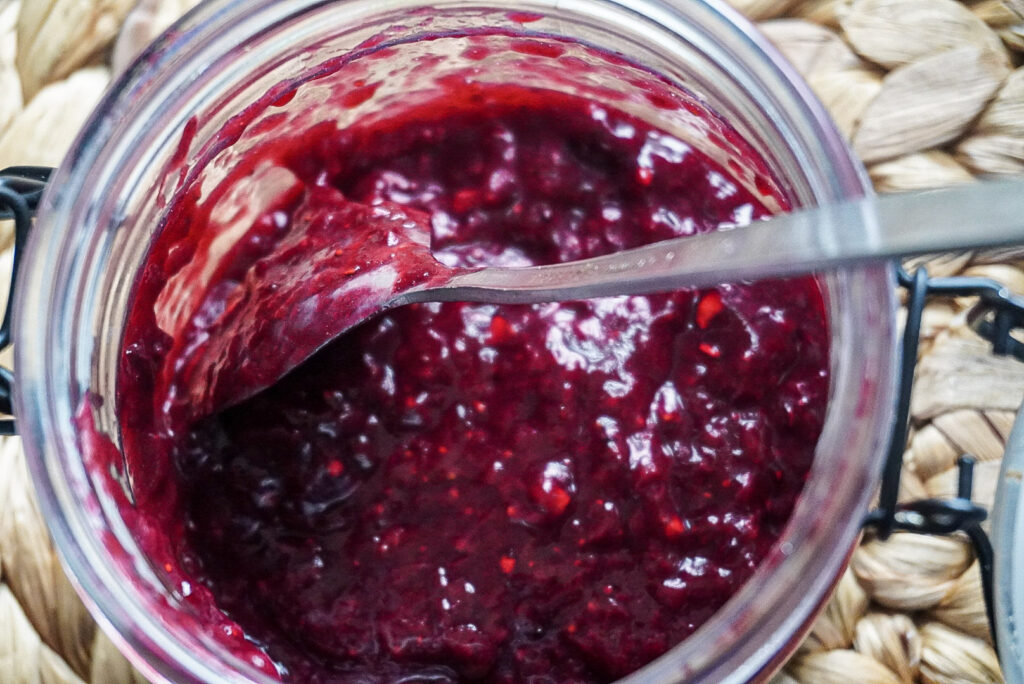
11. Make the berry jam
Add the following to a saucepan:
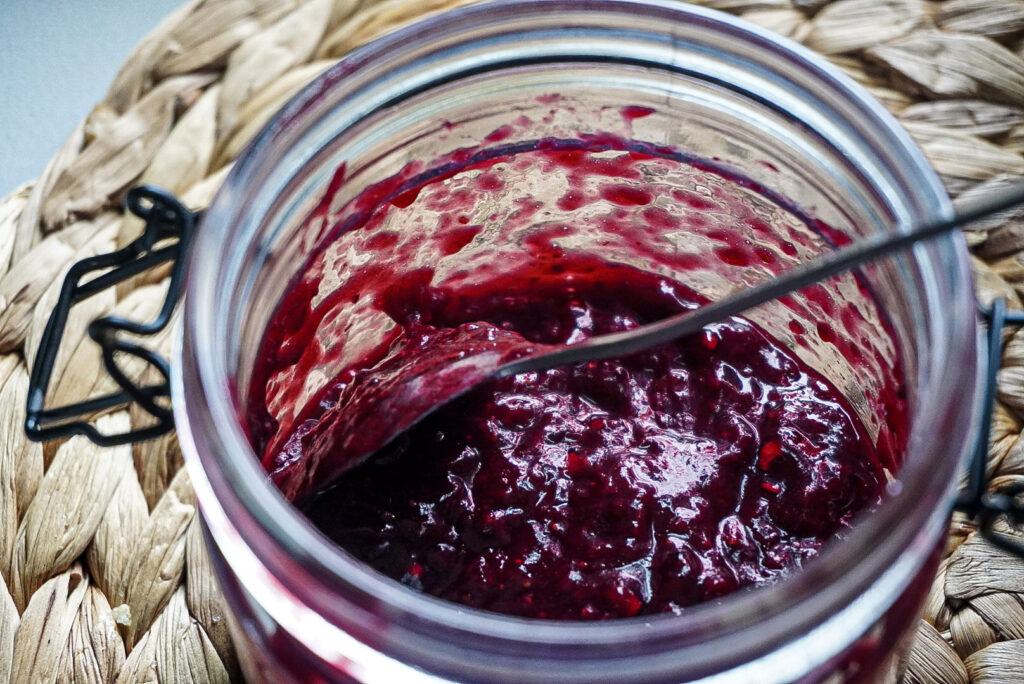
- 2 cups berries
- juice of 1 lemon
- 2 tbsp sugar
Cook until the berries break down and the mixture starts to thicken. Add 1 tsp cornstarch and stir until the jam thickens further.
Let it cool before using.
12. Pipe the fresh cream and finish
Once the lamingtons have set, pipe fresh cream on top and spoon or pipe over some of the cooled berry jam.
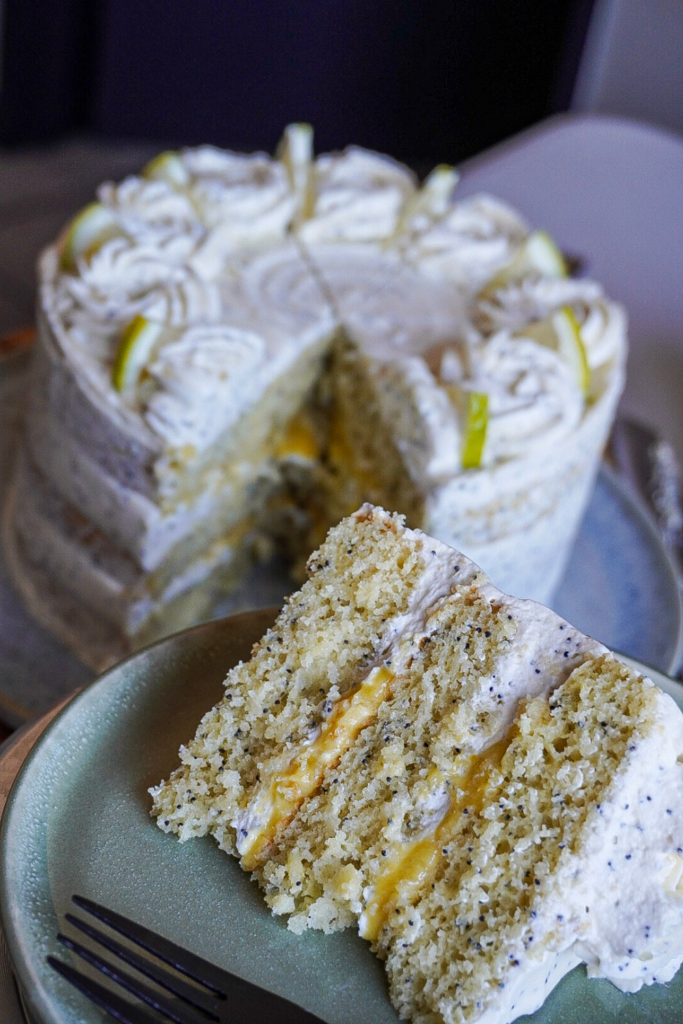
For the cream, check our fresh cream recipe from the lemon poppy seed cake
Can I make lamington cake in advance?
You can bake the sponge a day ahead and dip it the next day. In fact, that often makes the process easier because a fully cooled cake is simpler to cut and handle.
If you are adding cream and jam, I would do that closer to serving time so the topping stays fresh.
Can I use maas instead of buttermilk?
Yes. This recipe already allows for buttermilk or maas, and both work. The purpose is to bring acidity and moisture to the sponge. If maas is what you use at home, it is a suitable choice for this lamington cake.
Why use both butter and oil?
Because they do different things. Butter gives flavour, while oil helps keep the sponge soft. That combination is especially useful here because the cake goes through dipping and coating, and you do not want it drying out too quickly.
Why bake at 160 degrees?
A moderate oven helps the cake bake more evenly. For lamington cake, that matters because you need a sponge that cuts neatly and holds its structure. A gentler bake can help avoid a cake that rises too fast or dries at the edges.
Can I use only one dipping flavour?
Yes. If you want a full tray of chocolate or a full tray of raspberry, that will work perfectly well. I used both because I liked the variation, but the sponge does not depend on having two dips.
Which dip works better, raspberry or chocolate?
That depends on what you want. Chocolate gives you the classic lamington cake result. Raspberry feels a little lighter and works especially well if you are adding cream and berry jam. If you are serving a group, doing both is a good idea because people usually enjoy having a choice.
How do I stop the cake from falling apart while dipping?
This is one of the biggest concerns with lamingtons, and the answer usually comes down to handling.
- Let the cake cool fully.
- Use a sharp knife to cut clean squares.
- If the sponge feels very soft, chill it briefly.
- Dip gently rather than holding it in the mixture too long.
- Let the excess drip off before coating in coconut.
When I baked this lamington cake yesterday, the sponge held well because it had cooled properly before I started.
Can I freeze lamingtons?
Yes, the base lamingtons usually freeze well. Freeze them without the cream topping if possible. Then add the fresh cream and berry jam after defrosting if you want the best result.
How much coconut do I need?
There is no exact amount because it depends on how large you cut the squares and how thickly they are coated. Start with a generous amount in a shallow bowl and top up as needed.
Does the berry jam need to cool before topping?
Yes. If the jam is still warm, it can loosen the cream and make the topping messy. Cool jam is much easier to spoon or pipe neatly onto the finished lamington cake. Even better if you made jam the day before and let it rest in a fridge.
My tips after baking this batch yesterday
After making these, there are a few things I would tell anyone trying the recipe.
- If you rush into dipping the moment the cake cools, it can still be a little delicate. A short rest helps.
- A shallow, wider bowl makes dipping easier than a narrow, deep one. You want room to turn the cake without breaking it.
- If you are trying to keep the finishes clean, it helps to avoid mixing colours too much. Otherwise, your coconut can start looking muddy after a few pieces.
- Once wet dip starts getting into the coconut, it can clump. Fresh coconut coats more neatly.
- For the best finish, I would not top every piece with cream too far in advance. The base lamington cake can sit happily once coated, but the cream is best when freshly piped.
How I would describe the final result
What stood out to me most was that the base recipe carried all of it without any trouble. That is really the heart of a good lamington cake recipe. The sponge needs to be reliable enough to support whatever direction you take it in, whether that means keeping things classic or adding cream and jam on top.
I also liked that the jam was quick to make. Two cups of berries, lemon juice, sugar, and a little cornstarch was enough to make something fresh and useful without turning it into a separate project. It tasted like fruit rather than just sweetness, which is exactly what I wanted with the cream.
Serving ideas for this lamington cake
This version of lamington cake fits into more than one kind of table. You can serve it:
- plain with tea or coffee
- as a mixed platter with chocolate and raspberry pieces
- topped with cream and berry jam for a more finished dessert
- at birthdays, showers, family lunches, or weekend gatherings
- as part of a home baking spread when you want variety without making multiple cakes
Thanks for staying this far
If you make this lamington cake, leave a review and let me know how it turned out for you. I always enjoy hearing if you went with the chocolate dip, the raspberry dip, or both.

Lamingtons Square Cakes
Ingredients
Equipment
Method
- Preheat the oven to 160°C and line a square baking tin with baking paper.
- In a bowl, sift together the cake flour, baking powder, baking soda, and salt.
- In a large mixing bowl, cream the softened butter and sugar until light and fluffy.
- Add the vegetable oil and mix until combined.
- Add the eggs one at a time, beating well after each addition.
- Add the dry ingredients in three additions, alternating with the milk and buttermilk. Begin and end with the dry ingredients.
- Mix until just combined. Do not overmix.
- Pour the batter into the prepared tin and smooth the top.
- Bake for 25–30 minutes or until a skewer inserted into the centre comes out clean.
- Allow the cake to cool completely, then refrigerate for at least 1 hour for easier cutting.
- Cut into 12 equal squares.
- Add the berries, sugar, and lemon juice to a saucepan.
- Cook over medium heat until the berries soften and release their juices.
- Mix the cornflour with a small amount of water to make a slurry.
- Stir the slurry into the berry mixture.
- Cook for 1–2 minutes until thickened.
- Remove from the heat and allow to cool completely.
- Place the chocolate dip mixture and water into a bowl.
- Stir until smooth and pourable.
- Place the raspberry dip mixture and water into a separate bowl.
- Stir until smooth and pourable.
- Dip each sponge square into either the chocolate dip or raspberry dip, coating all sides.
- Allow any excess dip to drip off.
- Roll each square in desiccated coconut until fully coated.
- Place on a wire rack and allow the coating to set.
- Pipe a swirl of fresh whipped cream onto the top of each lamington square.
- Spoon or pipe a small amount of berry jam over the cream.
- Serve immediately or refrigerate until needed.
Discover more from WandileBakes
Subscribe to get the latest posts sent to your email.