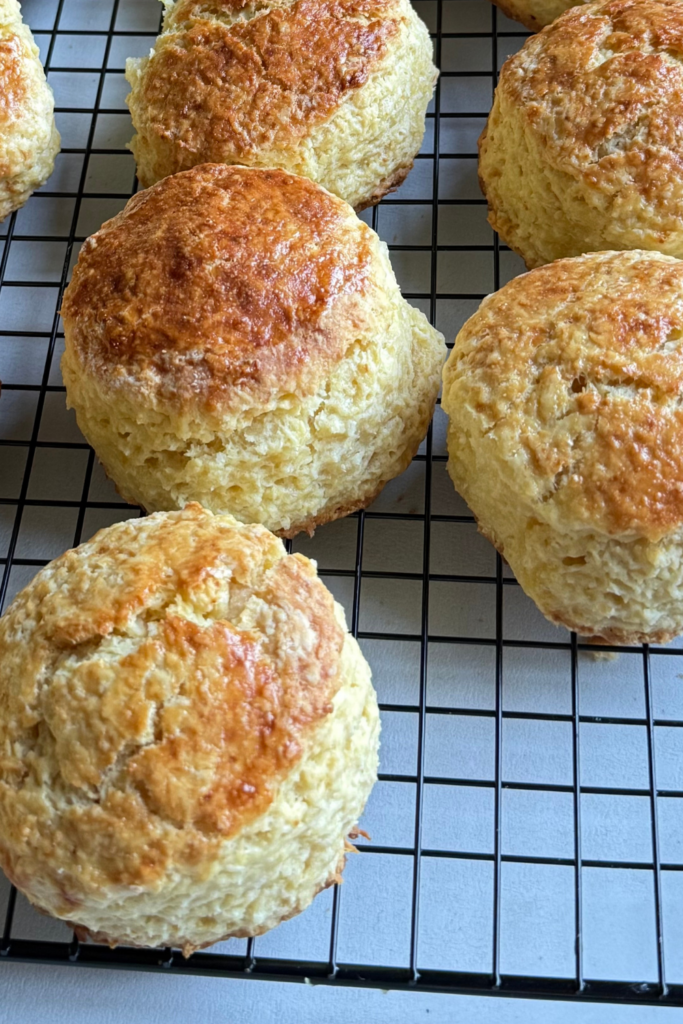
There’s something special about freshly baked buttermilk scones or just any scones. I always find them to be softer and fresher when they are baked from home, especially when baked right! If you love simple homemade baking, this easy buttermilk scones recipe is one of those recipes you’ll want to make again and again. NOW THAT WE ARE IN WINTER SEASON, IT’S THE BEST RECIPE TO GO FOR.
I love making homemade buttermilk scones on cold mornings when I want something convenient and warm. Sometimes, when there’s not much in the kitchen, I know I can still make a batch because the ingredients are simple pantry basics like flour, butter, sugar, and buttermilk. No fancy ingredients, just simple baking that works every time.

You can enjoy them for breakfast with a cup of tea or coffee, serve them during brunch when guests visit, or make them as a quick afternoon snack for the family. In my home, they never last… everyone grabs one, sometimes it hard to decide between full meal or scones:)
What makes buttermilk scones so special is the buttermilk itself. It gives the scones a soft texture and rich flavor that plain milk cannot always give. The buttermilk helps create that light, and tender crumb.
I still remember the first time I made buttermilk scones. I expected them to be difficult, but they were easy even though they weren’t perfected. The best thing that makes a new baker happy is people asking for more. Since then, it has become one of my favourite because of moderate sweetness and that you can repeat it as much as you want.
What are buttermilk Scones
There are 2 types of scones, such as traditional and modern scones. Traditional buttermilk scones are usually plain and simple, often served with jam, cream, or butter. They focus on a soft inside and a golden top. Modern versions have become more creative, with people adding cheese, chocolate chips, raisins, blueberries, or even herbs for savory options. Both styles are delicious…. it simply depends on what you enjoy most.
Many people ask, “Are scones supposed to be dry?” The answer is no. Good homemade scones should be soft, light, and slightly crumbly, but never dry or hard. If your scones turn out dry, it is often because the dough was overmixed or too much flour was added.
Another common question is, “Why use buttermilk instead of regular milk?” From my own baking experience, buttermilk makes a big difference. I once tried making the same recipe using plain milk because I had run out of buttermilk, and the result was not the same. The scones were flatter and less tender. Buttermilk gives better texture, better rise, and better flavor.
Important ingredient for best buttermilk
As much as most of the ingredients are available in your kitchen, you need to understand their subsitution as well. It’s also crucial to know how, and at what state you must use the ingredients.
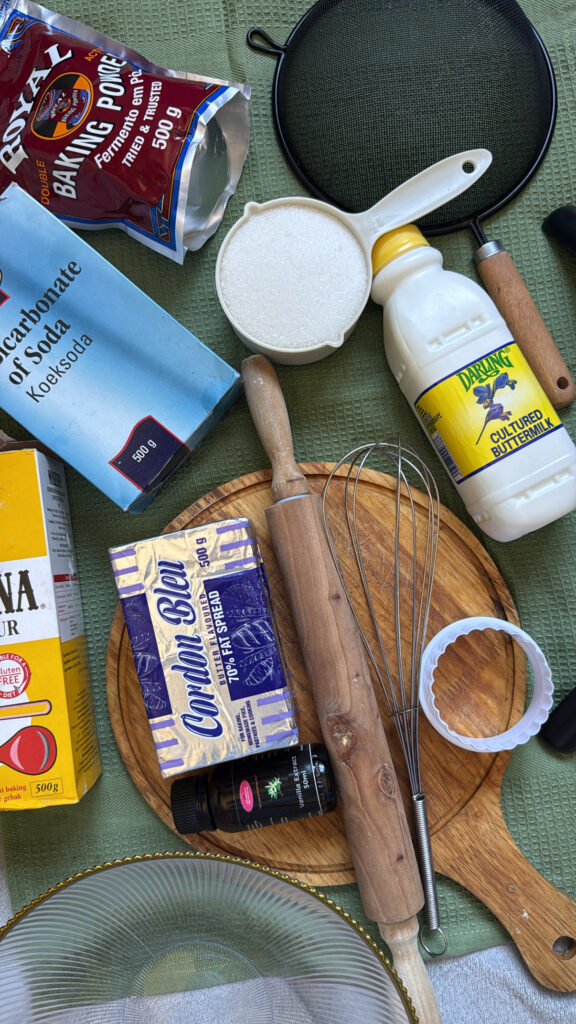
Baking Powder + Baking Soda
Many people get confused between baking soda and baking powder, especially when making buttermilk scones. I used to think they were the same thing, but they actually do different jobs in baking.
Both help your scones rise, become soft, and give that light texture we all want in soft and fluffy buttermilk scones.
Baking powder helps the scones rise higher, while baking soda reacts with the buttermilk to make them extra tender and soft.
TIP: CHECK THE EXPIRY DATE BEFORE USING YOUR BAKING POWDER & SODA ALL THE TIME
Butter or Baking Margarine
There are buttermilk scones without butter. Butter adds richness, flavor, and softness. It also helps create those beautiful flaky layers inside the scones.
The most important tip here is: use very cold butter.
Cold butter matters because when it melts in the oven, it makes your scones soft and fluffy. If the butter is warm, the dough becomes heavy and the texture changes. Avoid using thawed or melted butter, may seem like a small thing but it changes the whole texture.
I usually grate my cold butter to make the who processs easier.
I usually use baking margarine (70%-80% FAT) when making large batches because it is cost-effective but still gives good results. But when I want extra rich flavor for special occasions, I prefer using real butter with high fat content.
Both work well…. as long as they are cold and suitable for baking.
Buttermilk
For this recipe, the star ingredient in homemade buttermilk scones is BUTTERMILK.
One thing about it, it looks like regular milk but it not and it add more than just moisture.
The first time I switched from milk to buttermilk, I could taste the difference immediately. The scones were softer, lighter, and honestly much better.
One common mistake is adding too much buttermilk.
The dough should be soft, but not too wet or sticky. If you add too much liquid, the scones can spread too much while baking and lose their shape.
Just like butter or baking margarine, cold buttermilk works better for scones.
If you do not have buttermilk, you can make a quick version at home by adding lemon juice or vinegar to milk and letting it sit for a few minutes. For 1 cup of milk add 1 tablespoon of lemon juice or vinegar, and let it sit for 10 min.
Step-by-step method for perfect buttermilk scones
I think we can all agree that the key to make great scones, is how you MIX your dough. We can use the same recipe but get different results because our mixing method were not the same.
The secret to getting soft and fluffy buttermilk scones is not fancy ingredients, it is how you handle the dough. I learned this after making scones many times and wondering why some batches came out light and soft, while others turned out dry and heavy.
The biggest lesson? Be gentle with the dough.
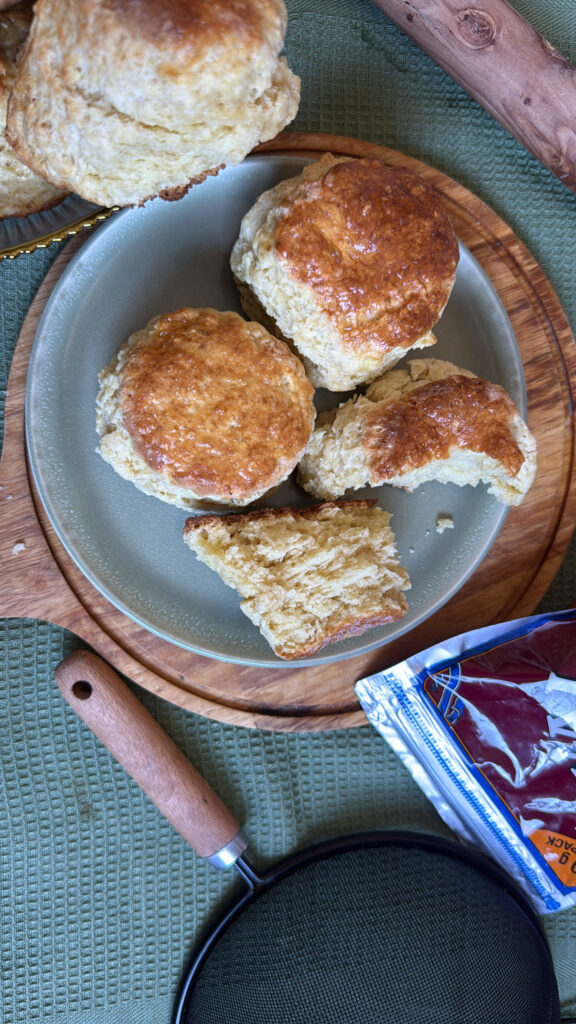
1. Mix the Dry Ingredients
Start by adding your flour, baking powder, baking soda, cornflour, sugar, and salt into a large mixing bowl. Give everything a good mix so the ingredients are evenly combined.
I like to do this first before touching the butter because it helps the baking powder spread properly. This makes the homemade buttermilk scones rise evenly in the oven.
If the dry ingredients are not mixed well, some scones may rise beautifully while others stay flat.
2. Rub in the Cold Butter
Grate your cold butter into the flour mixture. Use your fingertips to gently rub the butter into the flour until it looks like breadcrumbs.
This step is very important for soft and fluffy buttermilk scones. Cold butter help make the scones light and tender.
Always use cold butter straight from the fridge.
3. Add the Wet Ingredients
Now pour in the buttermilk, vanilla extract and eggs mixture into dry ingredients. Mix gently using a spoon or spatula until the dough just comes together.
Do not keep mixing too much.
This is where many people go WRONG. It is tempting to keep stirring until the dough looks perfectly smooth, but that actually makes the scones hard.
The dough should look a little rough and slightly sticky. That is exactly what you want for an easy buttermilk scones recipe.
4. Handle the Dough Gently
Lightly flour your kitchen counter and turn the dough out onto the surface. Gently bring it together with your hands.
Do not knead it like bread dough.
Just press it softly until it forms a thick round shape. Keeping the dough soft helps the buttermilk scones stay light after baking.
I always remind myself here: “Touch the dough as little as possible.”
The less you work it, the softer your scones will be.
5. Cut the Scones
Use a round cutter, or glass. Press straight down when cutting….DO NOT TWIST!.
Twisting the cutter can stop the scones from rising properly.
Place them close together on your baking tray so they help each other rise upward instead of spreading too much.
Use egg wash to brush them on top to give that golden finish.
6. Bake at the Right Temperature
As you start mixing your ingredients, preheat your oven.
A hot oven helps the scones rise quickly and creates that lovely golden top. I bake mine at 220 degrees all the time
If the oven is too cool, they may spread too much and become dry.
I usually check them near the end of baking because every oven is slightly different. Once the tops are golden and the bottoms are lightly browned, they are ready.
7. Let them cool properly
When the scones come out of the oven, let them rest for a few minutes before moving them to a cooling rack.
It is always tempting to open one immediately…… and honestly, I still do sometimes because warm scones smell too good to resist.
But letting them cool slightly helps the inside finish setting, so they stay soft instead of becoming gummy.
Best Habit for Perfectly Baked Buttermilk Scones
- Use cold butter and cold buttermilk
- Do not overwork the dough
- Avoid adding too much flour (stick to the recipe measurements)
- Check your raising agent expiry date (baking powder and soda)
- Brush the tops with egg wash before baking
- Bake at high temperature
Thank you for reading this blog, do not forget to leave comments and check our latest blog posts
FREQUENTLY ASKED QUESTIONS ABOUT BTTERMILK SCONES
Yes, you can make buttermilk scones without eggs. Eggs help with texture and richness, but the recipe can still work without them. If I run out of eggs at home, I sometimes still bake because I do not want to delay fresh scones for tea time.
You can replace one egg with a little extra buttermilk, custardor plain yogurt. The texture may be slightly softer, but you can still get soft and fluffy buttermilk scones that taste delicious.
Personally, I have never used self-raising flour but I have seen people make scones using it. But since self-raising flour already contains baking powder, you will need to reduce or skip the extra baking powder in the recipe.
This is a common problem, and I have made this mistake before too. Usually, scones do not rise well because the dough was overmixed, the baking powder was old, or the butter was too warm.
Yes, and it is very easy. If you do not have store-bought buttermilk, you can make your own at home.
Just mix 1 cup of milk with 1 tablespoon of lemon juice or vinegar. Let it sit for about 10 minutes. It will look slightly thick and ready to use.
Yes, but butter usually gives better flavor and texture. Margarine can still work, especially if that is what you already have at home.
I grew up seeing many people use margarine for baking because it was more affordable and easier to find. Make sure it baking margarine and contain 70% fat content.
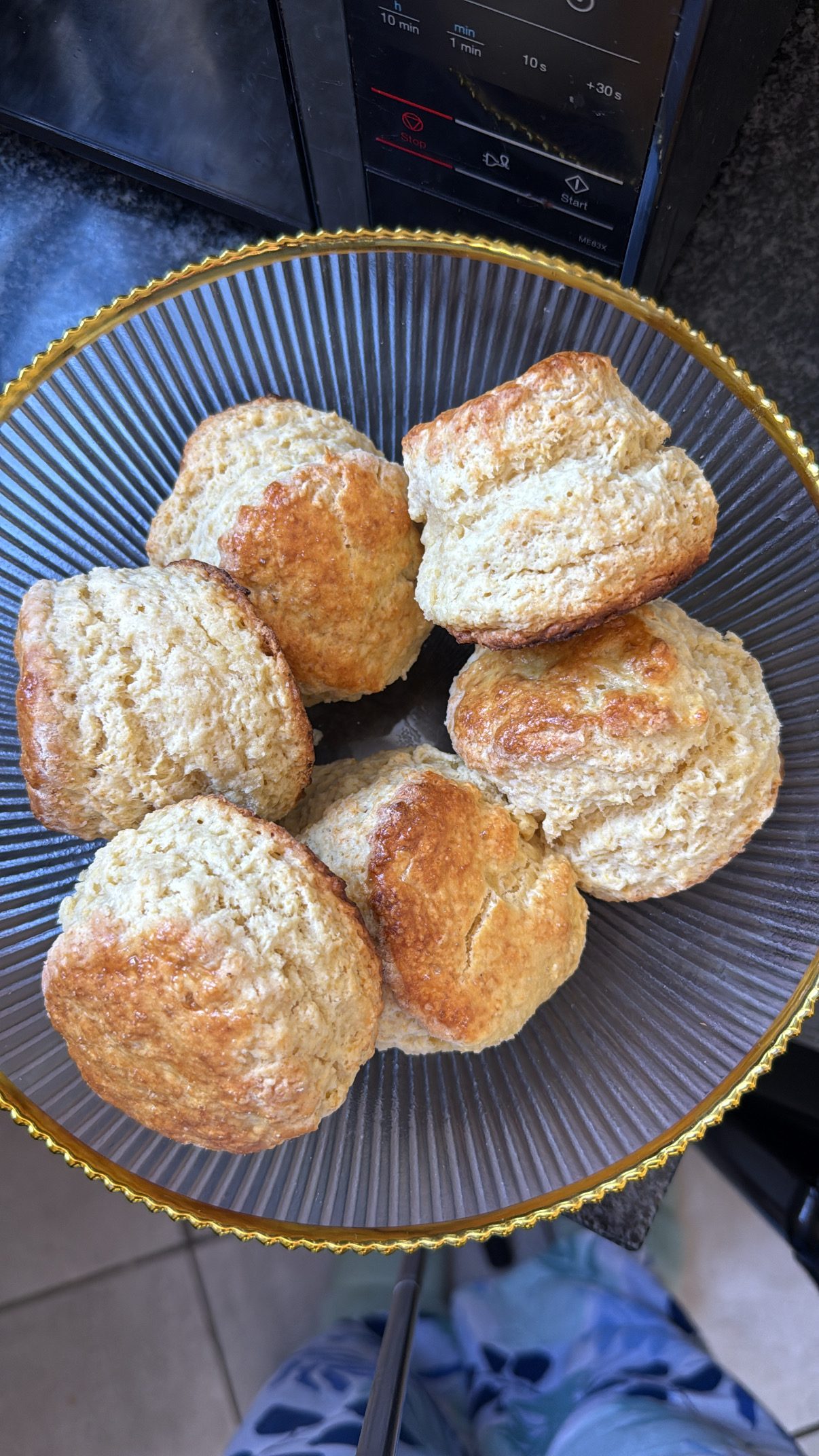

Soft Buttermilk Scones
Ingredients
Equipment
Method
Step 1: Prepare Your Oven
- Preheat your oven to 200°C-220°C (390°F).Line your baking tray with parchment paper or lightly grease it.
Step 2: Mix the Dry Ingredients
- In a large mixing bowl, add: all purpose or cake flour, baking powder, baking soda, cornflour, salt, and sugarMix everything well using a spoon or whisk.
Step 3: Grate the Cold Butter
- Take your cold butter straight from the fridge.Using a box grater, grate the butter into the flour mixture.This method helps create soft, flaky scones because the butter stays cold and distributes evenly.
Step 4: Rub Butter Into Flour
- Using your fingertips, lightly mix the grated butter into the flour until it looks like coarse breadcrumbs.Do not overmix.You want small bits of butter throughout the mixture.
Step 5: Mix the Wet Ingredients
- In a separate bowl, whisk together: eggs, buttermilk, and vanilla extractMix until combined.
Step 6: Form the Dough
- Pour the wet mixture into the dry ingredients.Use a spoon or spatula to gently combine.Mix just until a soft dough forms.Do not overwork the dough, or your scones may become hard.
Step 7: Shape the Dough
- Lightly flour your work surface.Turn the dough out and gently pat it down to about 3cm thick.Avoid kneading too much.
Step 8: Cut the Scones
- Use a round cutter or a glass to cut out the scones.Place them on the prepared baking tray close together for softer sides, or spaced apart for crispier edges.
- Mix: egg yolk and milkBrush the tops of the scones for a beautiful golden finish.Bake for 15–20 minutes or until golden brown on top.Baking time may vary depending on your oven
Video
Discover more from WandileBakes
Subscribe to get the latest posts sent to your email.